
Twelve-year-old Premi, in Rajasthan, India, loves reading and going to school, but in recent years, her enthusiasm for learning came under threat when her eyesight started to fade, making it difficult for her to read the blackboard and keep up with her studies.
Premi is one of three children. Her parents and older brother work as day labourers on nearby farms to support the family. Despite their efforts, money is often tight, and a visit to the optometrist would be a stretch for them. Fortunately for Premi, her school was visited by one of our eye screening teams as part of our Vision-centre Based Community Eye Health Project with our partner in the area, the Alakh Mayan Mandir Eye Hospital. Premi was quickly diagnosed with refractive error and received a pair of prescription eyeglasses, free of charge.
The whole family is grateful that this bright young girl can continue her studies, with hope for a brighter future.
Our approach to eye health ensures entire communities – including schoolkids like Premi – get screened for eye conditions and can access treatment at low or no cost. By offering multiple screening opportunities at schools, vision centres, screening camps and right on people’s doorsteps, we make sure nobody falls between the cracks.
Our approach starts at the planning level – working with government and community partners to select a location with a high prevalence of vision loss and low socio-economic status – and a partner hospital with a compatible mission and vision.
Next, we collaborate with partners on an action plan, define the project area and decide on locations for vision centres. Once established, the vision centres act as links between communities and hospitals, providing comprehensive eye exams, dispensing glasses and making referrals to our partner hospital for surgeries.
Then, the training of community health workers begins. These frontline workers, mostly women, learn how to conduct visual acuity tests, identify various eye conditions, make referrals and provide eye health education. For many of our beneficiaries, the relationship with our programs begins and ends with the community health worker – who might visit the same household many times, offering kindness, compassion and counselling to nervous patients, as well as their eye health expertise.
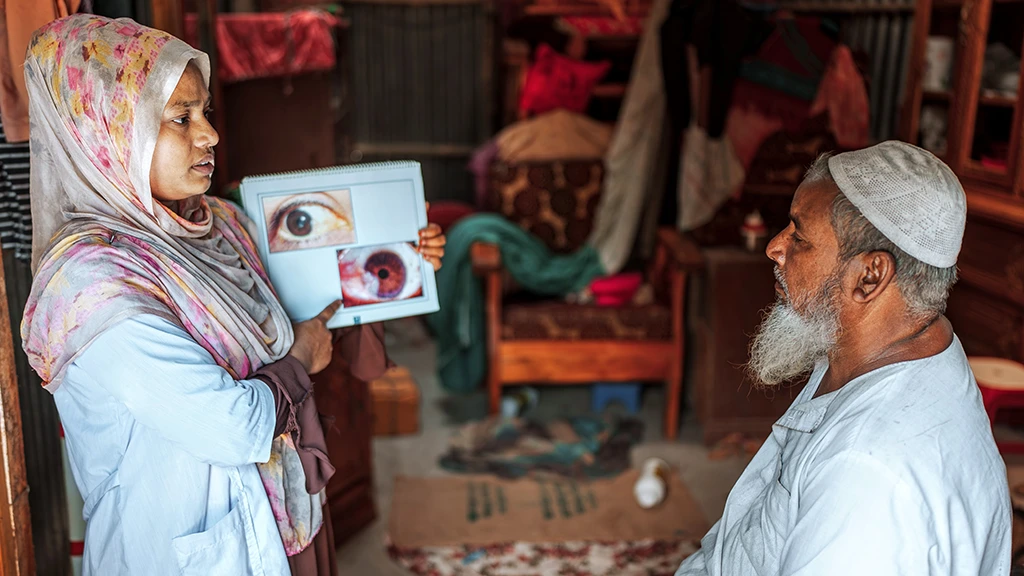
After their training, the community health workers fan out to our various communities of work, doing a baseline door-to-door survey and referring patients to the vision centres and partner hospitals for further diagnosis and treatment.
As we continue our work in the area, our teams organize various screening camps and school screenings to give everyone multiple opportunities to have their eyes checked. Community health workers also continue their door-to-door work, checking in on patients, providing eye health education and troubleshooting any problems patients might face in getting treatment. Teams crunch numbers to monitor progress and evaluate each project, later bringing in external agencies to audit the work.
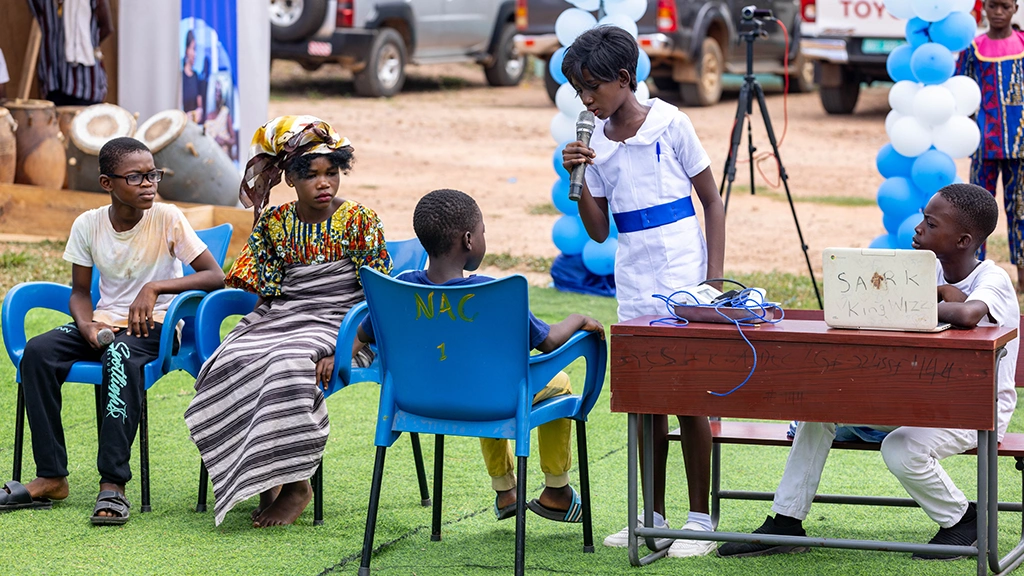
When the community health volunteers have done their final survey to make sure there are no backlog cases, villages and communities are declared as Avoidable Blindness-Free through public celebrations. At this point, the vision centres have become self-sustaining, so they can continue to deliver quality eye care services beyond the project’s duration.
The community health workers we employ for our door-to-door surveys can offer much more than just eye health expertise. Many have received additional training in primary health care and can provide advice and referrals for things like immunizations, vitamins, and maternal and newborn health care.
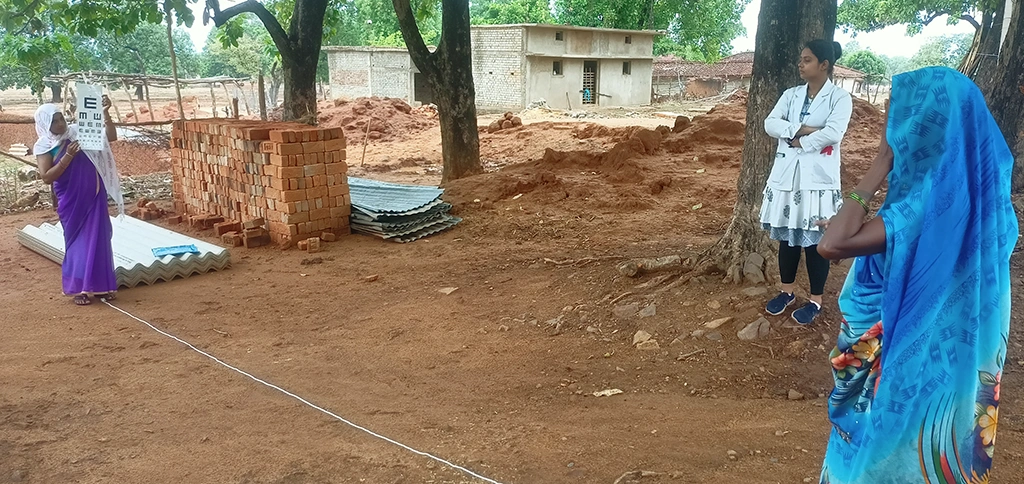
Shakuntala, an Accredited Social Health Activist (ASHA) with the Government of India, spent eight years providing advice to expectant mothers, and offering newborn care support, before she received additional training in primary eye care. With her experience, she can continue to offer referrals and education to mothers while she does her eye health screenings.
In 2024 alone, our community health workers linked more than 50,000 children aged five and under with crucial vitamin A injections, which reduces the severity of childhood illness and increases survival rates, while also helping them develop healthy vision. Also in 2024, we referred more than 16,000 expectant mothers and 12,000 nursing mothers with health facilities for check-ups.
Moreover, a community health workers frequent visits to a household can help them monitor a patient’s progress not only with an eye condition but with other health problems as well.
Take Bulal in Nepal, for example, a 97-year-old man who has cataracts as well as diabetes. When Meena, an Operation Eyesight-trained community health worker, met Bulal during a door-to-door survey in 2021, she realized that he would need additional support to get the treatment he needed for his low vision. While he had been previously diagnosed with cataracts, the doctor told Bulal that his unstable blood sugar levels – and his high blood pressure – made cataract surgery too risky. Bulal thought he would live out his final days in darkness.
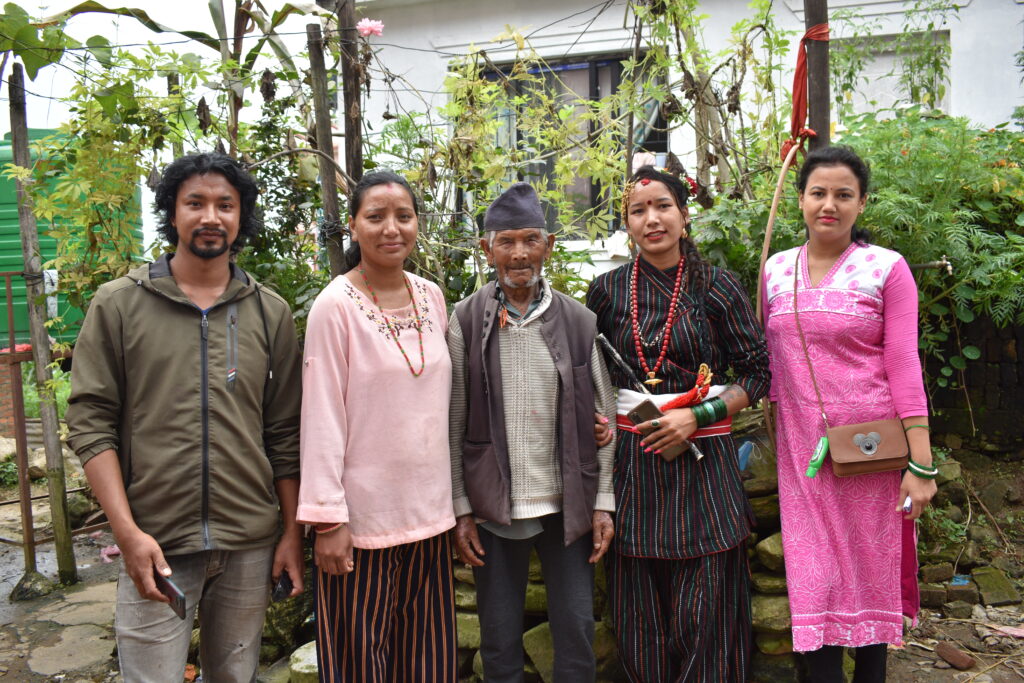
But when Meena heard his story, she set a plan in motion. Over the next few months, with Meena’s support and guidance, Bulal stabilized his sugar levels and brought down his blood pressure so he could safely undergo surgery. His family was grateful to see Bulal restored to his former dignity and independence once he could see clearly again.
From patient to ambassador – spreading the word about eye health
Ntiiti, a mother of five from a remote village in Kenya’s Kajiado County, started losing her vision in 2020. She didn’t know why she couldn’t see clearly and wondered if she was the victim of a curse. Soon, her vision was so poor that she could no longer perform essential day-to-day tasks like making meals, taking care of her children and looking after the family’s cattle.
Help arrived unexpectedly when a community health promoter, whom we’d trained in primary eye care, visited her home while conducting door-to-door screenings. He identified cataracts and sent her to a nearby eye screening camp for a formal diagnosis. At the camp, an ophthalmologist confirmed Ntiiti had bilateral cataracts and referred her for surgery. Ntiiti had never been to a hospital or clinic before, because of the distance to these facilities from her village, but our team helped arrange transportation so that she could get the treatment she needed. Thanks to our generous donors, she received surgeries on both eyes, free of charge.
Amazed by the difference the surgeries made to her life, Ntiiti told everyone in her community who complained of vision or eye problems about her miraculous recovery. Soon, she had her first recruit – a widowed mother of six who was living in total blindness. Ntiiti connected her to the community health promoter and even accompanied her to the hospital for her surgery.
We have many similar stories of patients like Ntiiti who become ambassadors for our programs. It speaks to the strength of our approach – by taking the time to build relationships in the community, patients with success stories become empowered to spread the word about the importance of getting treated for blindness and vision loss.

To create the biggest impact, we start at the community level. By training and empowering local health workers, we can help create lasting connections that bring eye care directly to people’s doorsteps. These trusted workers are the heart of our model – identifying problems early, guiding patients through treatment and spreading awareness that can transform entire villages.
With your support, we can train more health workers, open more vision centres and ensure that no one is left behind. Donate today to help us build a future where avoidable vision loss is eliminated for good.
Working as a nurse in a clinic in Ghana’s densely-populated Awutu Senya District, Joana Annobil treated a wide range of medical issues – from diabetes to hypertension. But there was one issue that consistently stood out to her as having the biggest impact on patients’ lives: vision loss.
“Our eyes are like the light of the human body,” she says. “Without your eyes, you can’t do anything. You can’t go anywhere. So, the eye is very important to talk about and take care of.”
Joana wanted to bring better eye health care to people in her district by studying ophthalmic nursing, but pursuing further studies felt out of reach because of the costs of leaving her job to attend classes full time. Still, Joana didn’t give up. After discussing her aspirations with the District Director of Health Services in Awutu Senya, our partner on a community eye health project, the director reached out to us for support. Thanks to the generosity of our donors, Joana’s dream became reality; we provided the financial assistance she needed to advance her education.
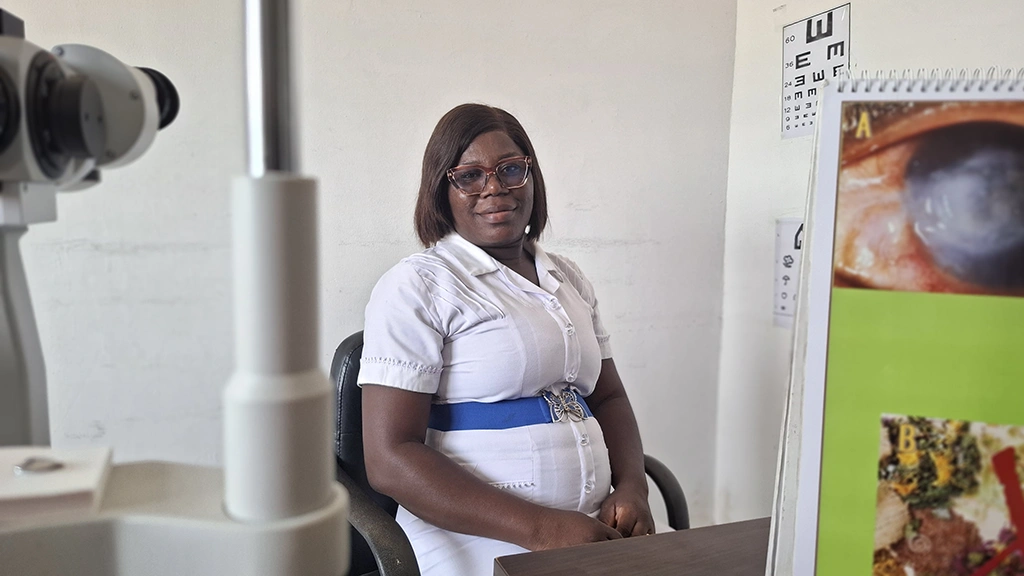
Today, Joana is fully certified as an ophthalmic nurse, after completing a degree program at the Korle Bu Teaching Hospital in Accra. She works at the Senya Beraku Polyclinic in her home district. She says that with her advanced training, she’s better able to diagnose, refer, and explain conditions and procedures to her patients. Most importantly, she is better equipped to combat eye health myths and misconceptions that prevent many patients from getting treatment.
Joana is just one of many healthcare providers and doctors whom we’ve supported in pursuing further studies since we were founded in 1963. One of the pillars of our work is to help build health systems by investing in hospital equipment and infrastructure, by establishing vision centres and by providing training opportunities for healthcare professionals. It’s all part of our sustainable approach to health care, which emphasizes building expertise at the local level.
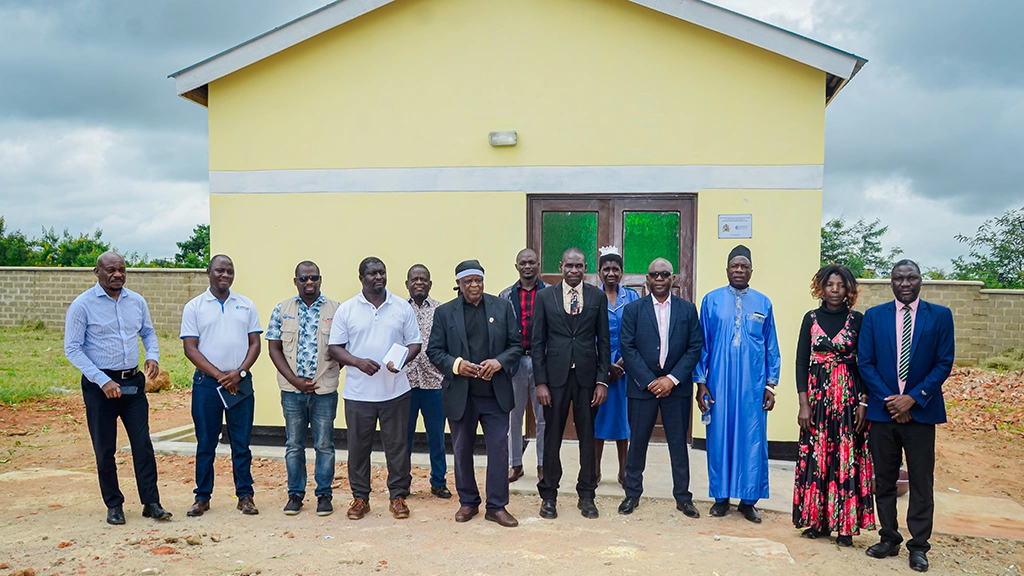
The town of Chitipa is located at the northern tip of Malawi, hours away from the larger cities in the country’s more populous south. Until recently, people in the area had to travel between 100 to 350 kilometres to get any kind of eye health care because the local hospital was over capacity.
In March 2025, all that changed when we partnered with the Malawi Ministry of Health to open the new Operation Eyesight Vision Centre at the Chitipa District Hospital. Today, the district’s 256,000 people can visit the clinic to get everything from a routine eye exam to cataract surgery.
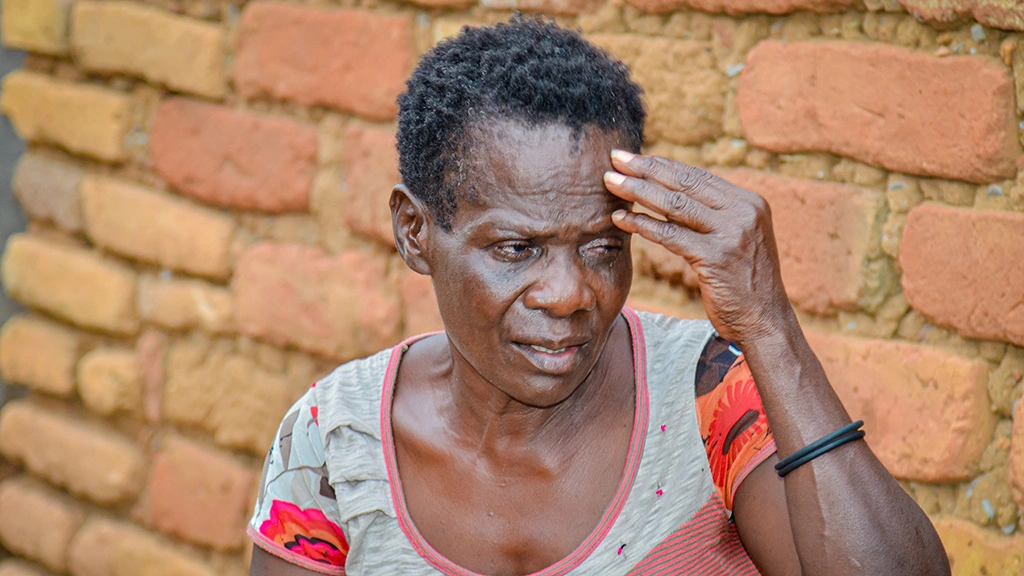
For Lydia, who lives in a village just outside of Chitipa, the new vision centre arrived just in time. For years, she’d noticed tearing in her left eye. Eventually, it became uncontrollable. She tried reading glasses, eye drops, various medications… nothing worked. Finally, she went to the hospital in Chitipa for help. There, she was diagnosed with cataracts and referred for surgery in Mzuzu, more than six hours away. She put off the operation while she saved money for the travelling it would entail.
When the new Operation Eyesight Vision Centre opened, Lydia was thrilled to find out that she could get her surgery much closer to home. In August 2025, she underwent the operation on her left eye, free of charge. Today, she is enjoying a higher quality of life, with her left eye no longer tearing up – and improved vision overall.
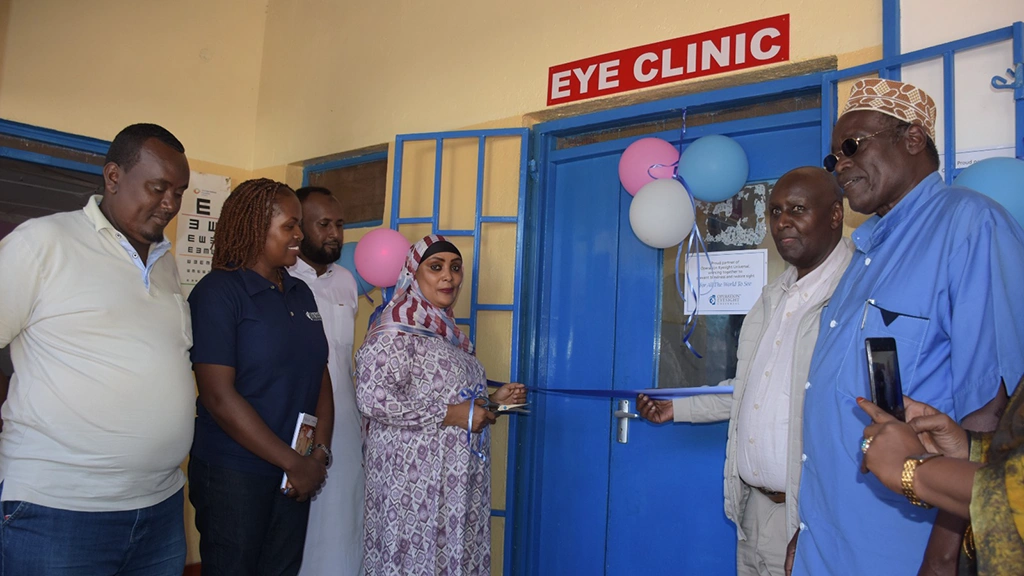
The vision centre in Chitipa is just one of many facilities we’ve helped establish in recent years. In May 2025, we successfully handed over a new eye clinic at the Garbatulla Sub-County Hospital to the County of Isiolo in Kenya. The clinic was developed in partnership with the county government and the Kenya Ministry of Health, with funding from Johnson & Johnson. Also in 2025, we laid the foundation stone for the construction of the Secondary Eye Hospital in Yadgir, Karnataka, India, in collaboration with the Shri Guru Mahipatiraj Eye Bank and Research Foundation Trust.
On the banks of the Ramganga River in Uttar Pradesh, India, sprawls the city of Moradabad, home to our partner hospital, the C.L. Gupta Eye Institute. In recent years, we’ve been working closely with the institute’s Vice-Chairman, Dr. Ashi Khurana, to help some of the area’s smallest residents – premature babies.
India has the highest rate of preterm births in the world, and the emergence of more Neonatal Intensive Care Units (NICUs) has greatly improved the survival rate of premature infants. But as more of these preemies grow up, an alarming trend is developing – some of these children end up going blind.
The culprit is Retinopathy of Prematurity (ROP), a condition that causes problems with the development of the blood vessels in the baby’s eye. If untreated, it can cause permanent vision loss and even total blindness.
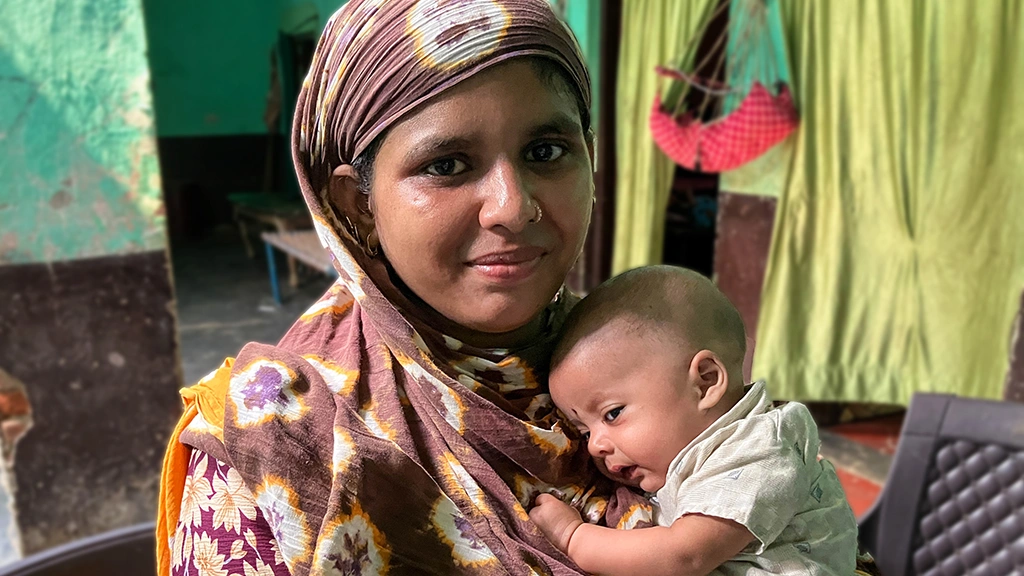
Dr. Khurana remembers first hearing about the problem when a local doctor approached her with concerns about the high number of local children who had gone blind due to ROP. The problem, they realized, was a lack of screening at the growing number of local NICUs.
In answer, Dr. Khurana and her team launched a pilot ROP program to screen Moradabad infants for the condition, which later expanded to include a partnership with Operation Eyesight. Dubbed the Retinopathy of Prematurity Eradication Project, the program runs a mobile eye clinic staffed by an optometrist who has training in ROP screening and laser treatment. The optometrist travels with specialized equipment to NICUs throughout the area, providing both screening and treatment, while referring more complex cases back to the C.L. Gupta Eye Institute.
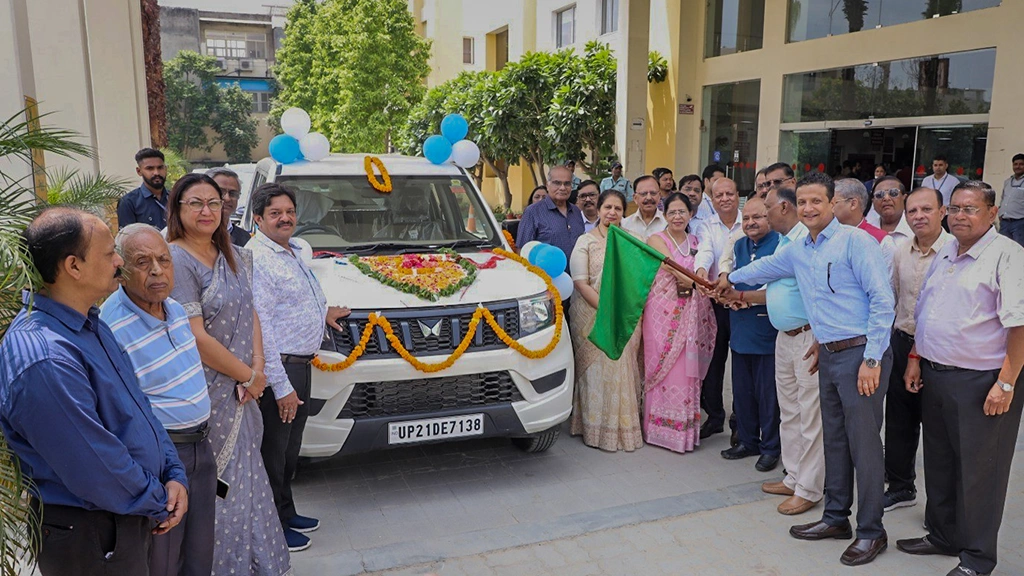
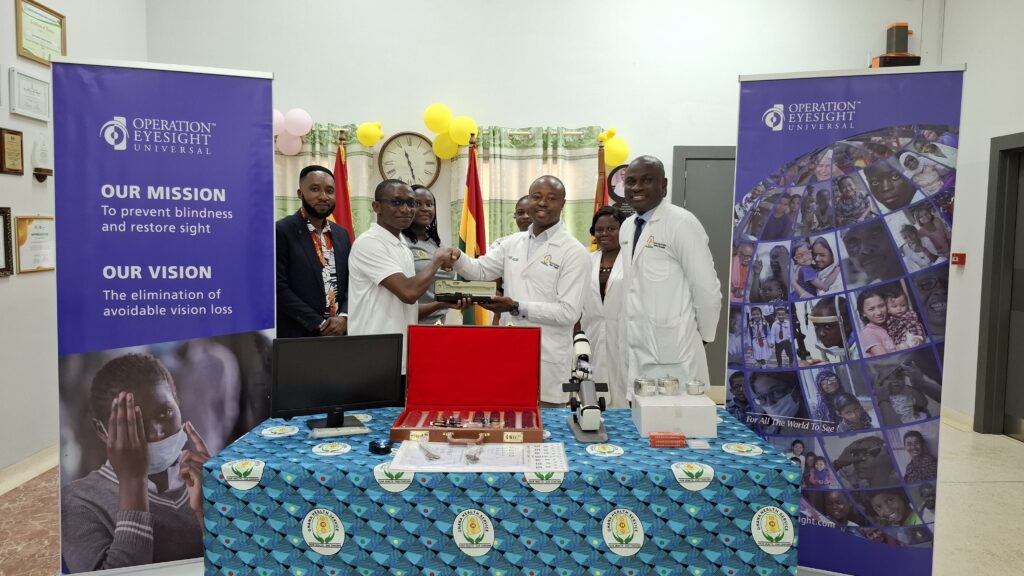
With help from Rotary Club partners, we supplied the program with essential equipment, including an imaging system used to examine the baby’s retinas, and a specialized laser system that is the gold standard for treating ROP. We also helped the hospital with the purchase of a mobile screening van, and we participated in the creation of educational materials to make sure that both healthcare providers and families understood the risks of ROP.
In the second year of the project, the screening area expanded from one district to five, including 28 NICUs. Between July 2024 and March 2025, 685 preterm babies were screened for ROP, with 54 of them receiving laser surgery, and another 35 treated with intravitreal injections.
Thanks to the generosity of our donors, we often purchase and upgrade ophthalmic equipment to help our partners offer the highest quality care possible, just like we did with the ROP project. Throughout our decades of work, we’ve equipped everything from vision centres to highly specialized operating theatres. We’ve also provided various types of vehicles to transport patients from rugged, remote locations to hospital, and to serve as mobile screening units on wheels – like the one now being used to screen infants in the Moradabad area.
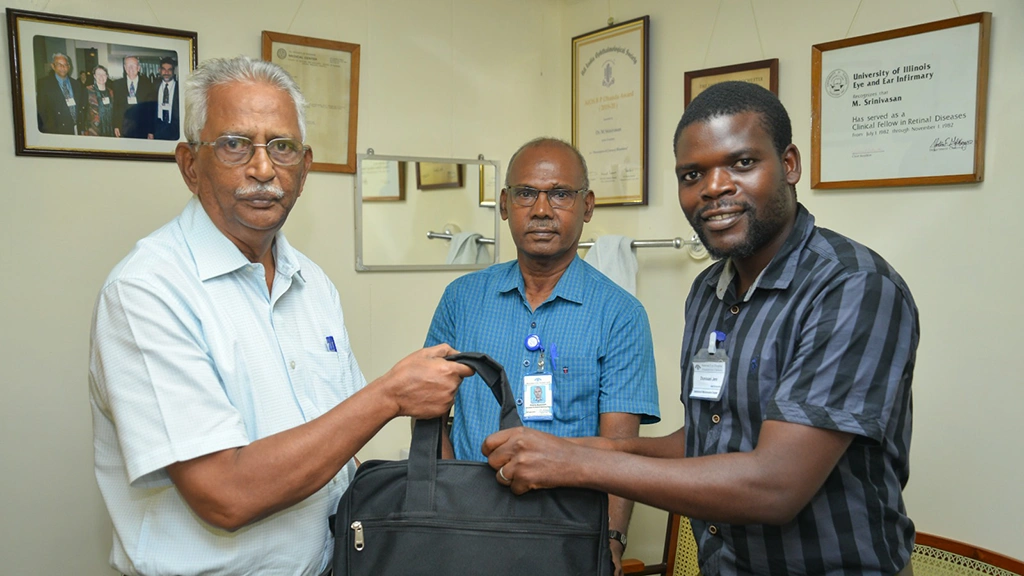
In addition to donating equipment, we are committed to ensuring sustainability by providing additional funding for equipment maintenance training. In 2024, Dumisani Jere from our partner facility, Mzuzu Central Hospital in Malawi, was sent to India’s Aravind Institute to do a one-month Ophthalmic Instruments Maintenance course. Since then, he has been providing support to eye clinics throughout our project areas in Malawi’s Northern Region.
Hospital strengthening is at the heart of our mission to create lasting change. By investing in infrastructure, equipping facilities and training local professionals, we help build resilient health systems that can deliver quality eye care for generations to come. From vision centres in Malawi to advanced neonatal screening programs in India, these initiatives ensure that care is accessible, sustainable and rooted in local expertise. Thanks to the support of our donors, we’re not just treating patients – we’re strengthening health systems and empowering communities to protect sight for the future.
Donate today to help strengthen more hospitals and train more ophthalmic staff – For All The World To See.
For most of her life, Napolo, from Narok West Sub-county near the Kenya-Tanzania border, lived with constant eye pain. Now 78 years old, she first noticed discomfort in her 30s. Her eyes often felt irritated, as if filled with sand, and she experienced tearing and discharge that made it difficult to see. This attracted flies, but Napolo had no access to clean water to wash her face.
Napolo wasn’t aware that she was suffering from trachoma, a bacterial infection of the eye and the leading cause of blindness in areas with shortages of water and crowded living conditions. The bacteria spreads easily through contact with eye discharge from infected people on hands and clothing, and also through direct transmission by flies.
If left untreated, trachoma causes the eyelids to turn inward, making the eyelashes rub painfully against the surface of the eye. This causes permanent scarring of the cornea and irreversible vision loss.
Without access to regular health care, Napolo turned to traditional remedies. Her family members would pluck out her eyelashes to help ease the pain, but the relief never lasted. The irritation always returned, and over time, Napolo’s vision became worse.
In her Maa community, many people had similar symptoms, and plucking one's eyelashes out was considered normal. Health workers occasionally visited their community, but Napolo often missed them because she was always out looking after her animals, sometimes even crossing over the border to let the animals graze in Tanzania. She somehow managed despite her diminishing vision and increasing pain.
One fateful day, an Operation Eyesight-trained Community Health Promoter visited Napolo’s home – and the visit changed everything.
You see, for many years Operation Eyesight has been working to eliminate trachoma in communities like Napolo’s. Through the Kenya Trachoma Elimination Program, funded by Sightsavers International, Operation Eyesight and partners are working to eliminate trachoma in Narok West Sub-county and the entire country by 2028. With this support, and in collaboration with the Narok County Department of Health, we launched a door-to-door screening initiative to identify remaining cases of trachoma trichiasis – the painful late stage of the disease. We provided training and resources for local Community Health Promoters. They screen people in their communities and refer those in need of eye care to our nearest partner facility.
During a community screening in November 2024, Napolo was identified and referred to Talek Health Centre, an outreach site that provides surgical treatment for trachoma patients. At the health centre, the ophthalmic team examined Napolo’s eyes and confirmed her diagnosis.
Napolo agreed to undergo eyelid surgery to correct her inward-turned eyelids. The procedure was successful, and her recovery brought immense relief, preventing further damage to her eyes and preserving her remaining vision.
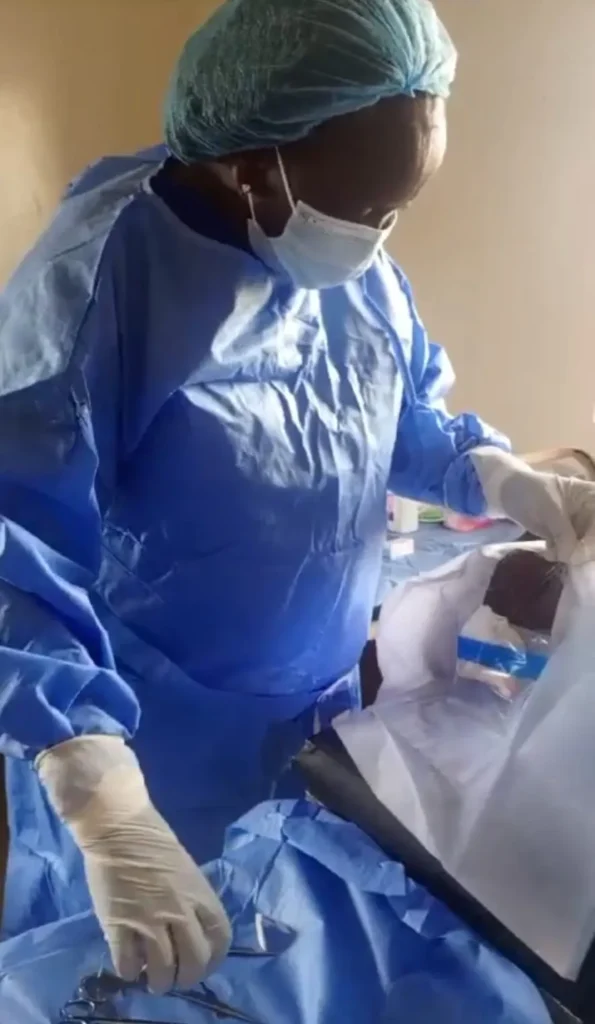
“I have longed for this comfort for decades. There is no more discomfort, and I can open my eyes freely,” Napolo said. “I thank Operation Eyesight and the doctors who assisted me, and I will definitely refer anyone in my community that has the same problem so that they can be assisted.”
Napolo’s story shows how access to quality eye care can transform lives.
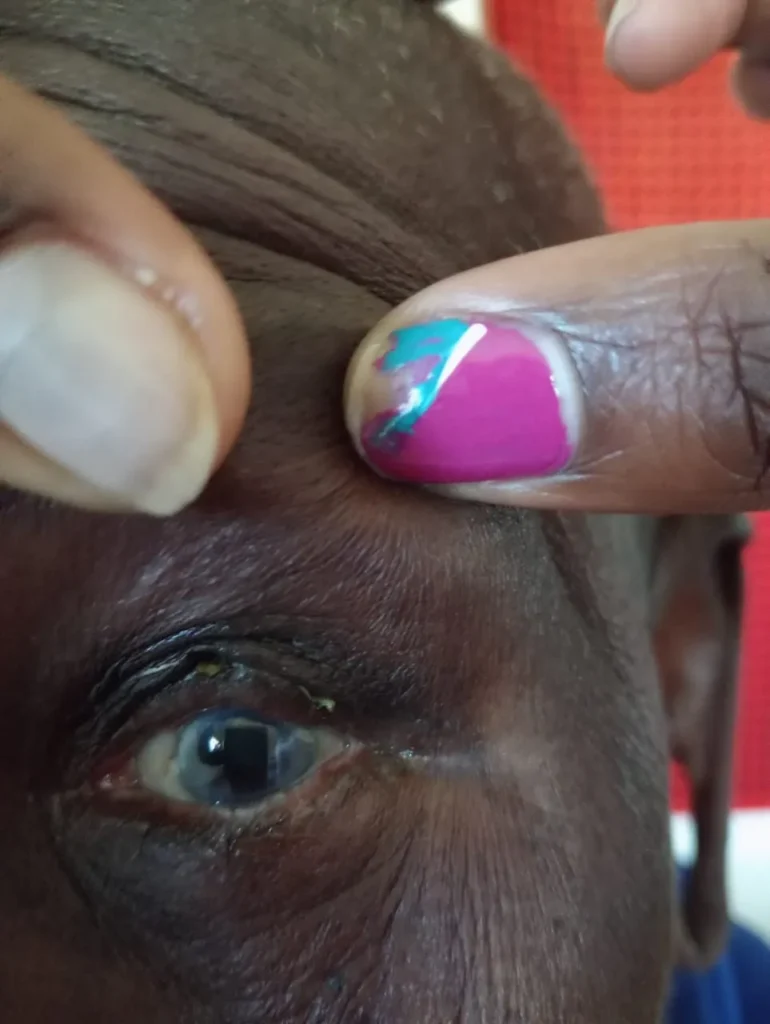
Did you know? Trachoma is the leading cause of infectious blindness.
Currently, 103 million people live in trachoma endemic areas and are at risk of trachoma blindness, and presently 1.9 million people are experiencing vision impairment or blindness due to the disease.1 It is found in 32 countries, in areas with shortages of clean water and crowded living conditions. Caused by the bacteria Chlamydia trachomatis, trachoma is spread by eye-seeking flies and personal contact. Children and women are at particular risk.
Operation Eyesight follows the World Health Organization-endorsed SAFE strategy, which has proven effective in eliminating trachoma. The SAFE strategy is a comprehensive treatment and prevention program that includes Surgery to treat the late stage of the disease, Antibiotics to eliminate infection, Face washing and hygiene education, and Environmental change including wells and latrines.
Join us in supporting programs that bring vital vision care to people like Napolo and also address the root causes of vision loss. Together, we can eliminate trachoma and ensure everyone has access to the eye care they deserve. Give the Gift of Sight today. Join us in supporting programs that bring vital vision care to people like Napolo and also address the root causes of vision loss. Together, we can eliminate trachoma and ensure everyone has access to the eye care they deserve. Give the Gift of Sight today.
If you sprain an ankle or come down with a bad cough, your first stop is usually your family doctor. But when it comes to blurry vision, the path to care often looks very different. Around the world, eye health is still treated separately from primary health care, creating gaps that leave people without the vision help they need. Even in countries with universal health coverage, you might receive a complex eye surgery at no cost, yet pay out of pocket – or use private health insurance – for something as simple as a pair of eyeglasses.
At Operation Eyesight, we believe this needs to change. That’s why we’re working to strengthen areas of overlap between primary eye care and primary health care in our countries of operation. That means supporting the World Health Assembly’s integrated people-centred eye care (IPEC) resolution by working to integrate eye health into national health systems – and increasing access to free or subsidized eye health care.
It also means addressing the root causes of avoidable vision loss. In some regions in Africa, we bring fresh water and hygiene education to communities to help prevent infectious eye conditions. We also work to make sure our services offer more than just eye care, but can also link patients to other types of health care.
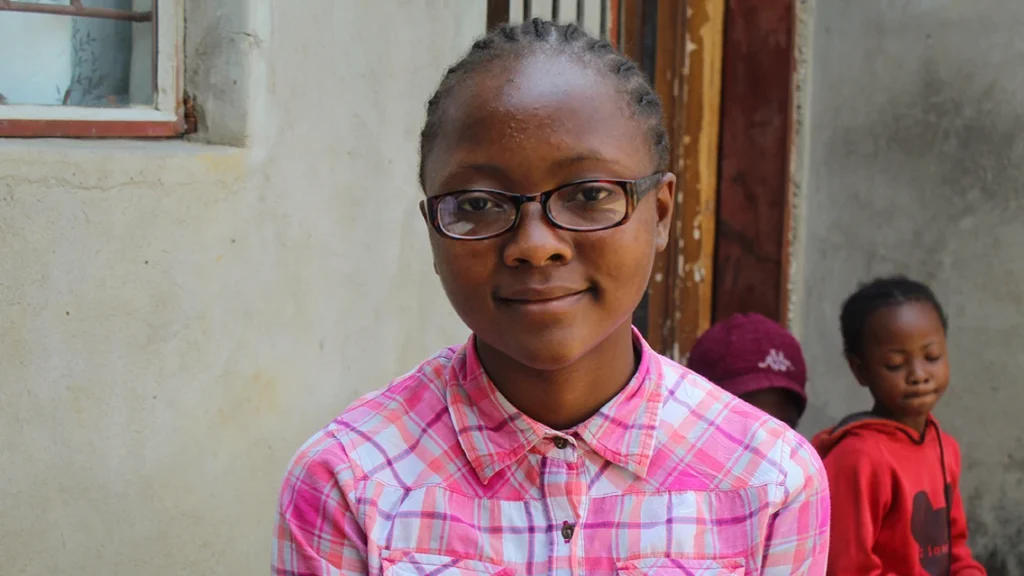
Health conditions rarely exist in silos – and vision loss is no exception. Diabetes, for example, increases the risk of eye conditions like cataracts. For 15-year-old Vanessa in Zambia, blurry vision was one of the first signs of the disease. When she started having problems reading the blackboard at school, a teacher sent her to our vision centre in her community of Matero for a checkup. From there, she received a referral to our partner hospital, where she learned that she not only had cataracts, but diabetes as well. Doctors helped her get her blood sugar levels under control, and then she got cataract surgery. Today, she is managing her diabetes and thriving in school, with dreams of becoming a doctor.
Vision problems can also cause a downward mental health spiral. Benson, a farmer in Kenya, lost his ability to work due to poor vision. As a result, he became angry and depressed, then turned to alcohol and drugs to cope with his situation. Luckily, his family got him into a drug and alcohol rehabilitation facility, where a visiting doctor diagnosed him with cataracts. Benson underwent surgery on both eyes, provided free of charge thanks to the support of our donors, and can see clearly now. Buoyed by his miraculous recovery, Benson finished up his time at the rehabilitation facility and happily threw himself back into farming.
In Canada, where Operation Eyesight is based, navigating eye care can be confusing. While the Canada Health Act covers medically-necessary eye health services, routine vision care like eye exams and prescription glasses often isn’t part of the deal. That leaves provinces and territories to fill in the gaps, and the result is a patchwork system. For example, seniors in Ontario get routine eye exams covered once they hit 65, but in Newfoundland and Labrador, those same seniors might have to pay out-of-pocket. It’s inconsistent, and it’s especially tough on vulnerable populations.
There is some support through the Federal Non-Insured Health Benefits (NIHB) program, which covers eye exams and eyewear for eligible First Nations and Inuit individuals. But even that has its hurdles: remote communities, limited healthcare infrastructure and cultural differences that make accessing care more complicated than it should be.
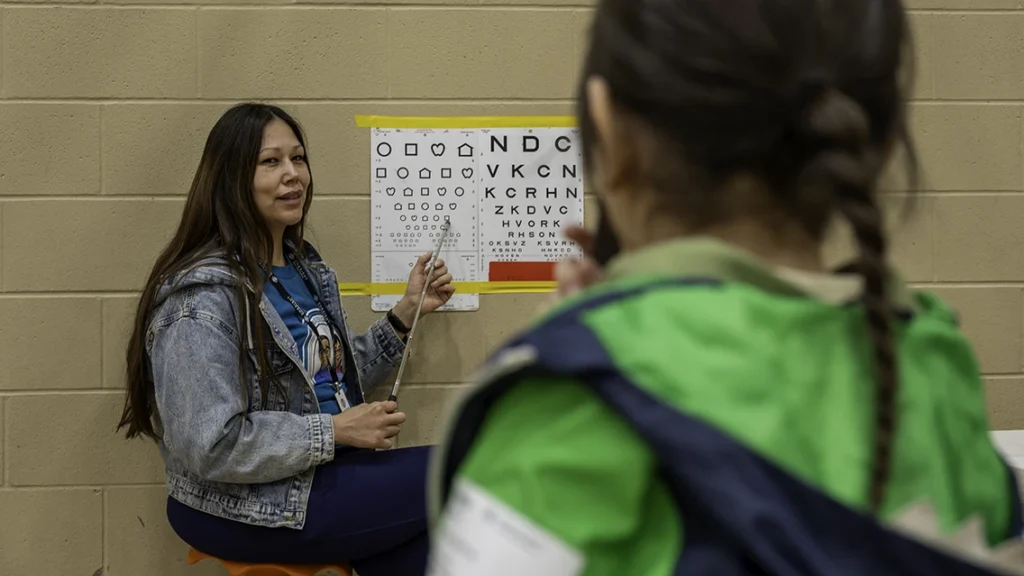
The passage of the National Strategy for Eye Care Act in 2024 was a major step forward in addressing these issues. As chair of the Canadian Eye Health Coalition, Operation Eyesight is helping shape a national framework that prioritizes equitable access to vision care. Our Global Director of International Programs, Kris Kelm, explains why it’s important that we have a seat at the table during the consultation period and beyond.
“We know that there will be many voices in this conversation with diverse interests, and we want to ensure there is representation from patients who have the least means and the least ability to access vision care,” he says. “The fact that we have over 60 years of experience working in this sector gives us a strong background to speak credibly to how we need to approach things in Canada, and our community partners can provide valuable insights to help shape eye care for all.”
He adds that Canada can learn from some of our countries of work, where eye health has been better integrated into the overall health systems and other public frameworks. As an example, he points to Ghana, where we work with the ministries of health and education to screen and treat students for eye conditions in the public school system. We have similar programs in Kenya and Zambia, too.
Another example is in India, where we are working with state governments to establish vision services in pre-existing government health centres. Building the capacity of vision care facilities within the country’s national health care system ensures that services reach the most underserved populations, as patients who are able to pay most typically seek care at for-profit facilities, rather than attending government services.
Shakuntala, in Madhya Pradesh, India, spends her days walking door to door through villages in her region, checking in on the health and well-being of families. She’s one of the million-strong network of Accredited Social Health Activists (ASHAs), employed by the Indian government, who deliver primary health care at the community level.
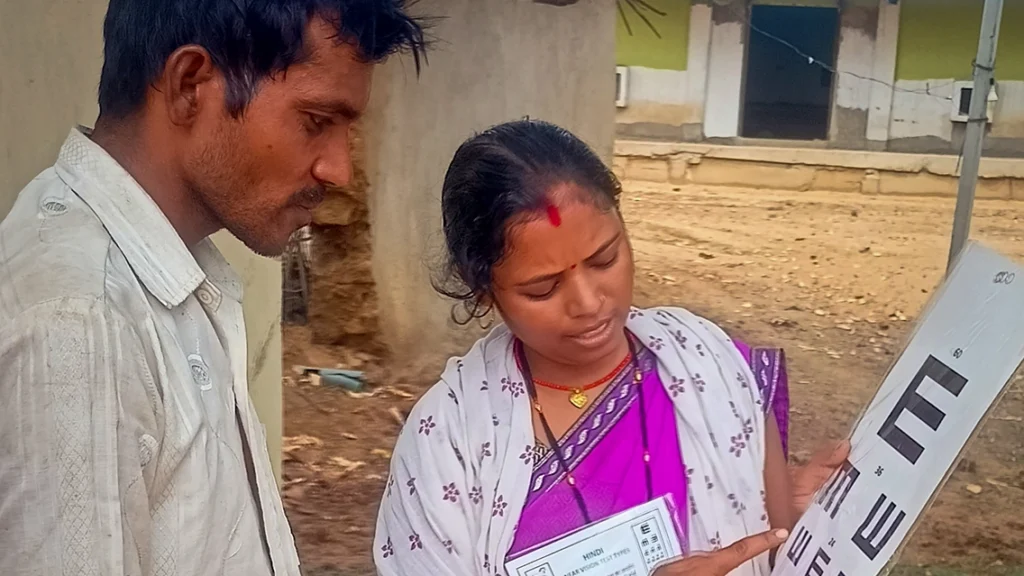
Her work includes providing pregnancy advice, supporting newborn care, educating parents about vaccinations and vitamins for children, and making all kinds of referrals to local clinics and hospitals. In 2022, Shakuntala added another set of skills to her toolkit: conducting primary eye health screenings, thanks to training provided by our Operation Eyesight team, in partnership with the Government of Madhya Pradesh. Shakuntala learned to measure visual acuity using an eye chart. She also learned to identify the signs and symptoms of various eye conditions. Once she identifies a patient with a possible eye condition, she refers them to the base hospital for diagnosis and treatment. In the meantime, she continues to provide advice and referrals on nutrition, vaccinations, prenatal care and other health concerns.
Shakuntala is just one of the thousands of community health workers we work with across the globe. In all our countries of work, we partner with existing health systems to recruit community health workers, mostly women, to help us deliver our programs. The health workers develop strong ties within the communities, resulting in high acceptance and trust in our programming.
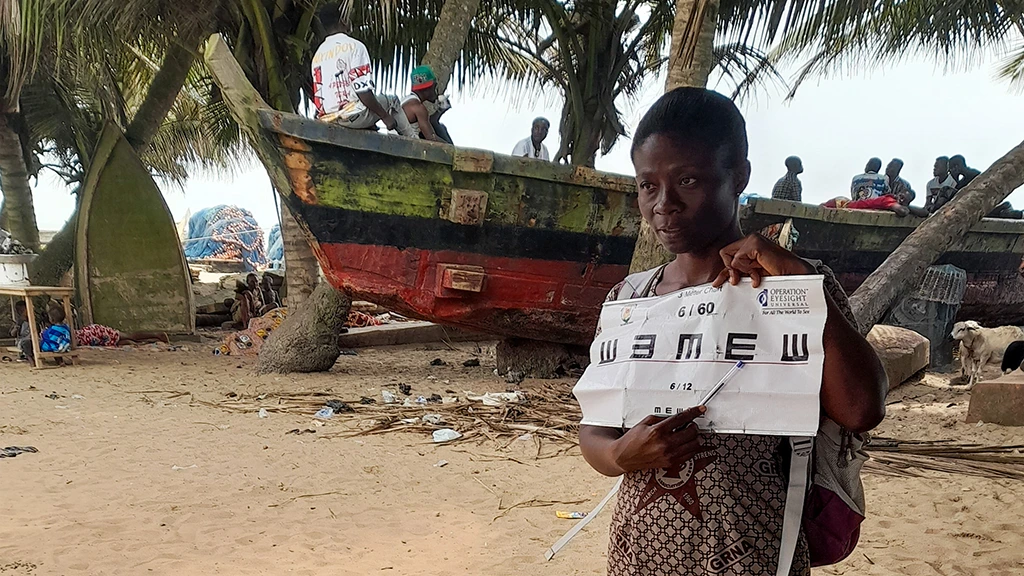
Mabel, a community health nurse in Ghana, was trained in primary eye care so that she could identify eye health issues in addition to her regular duties. She says that being able to screen people at their home allows her to reach many women and girls who probably wouldn’t have left the village to seek eye health care, due to household responsibilities.
Anyone who has had a case of pink eye knows that having red, inflamed and itchy eyes isn’t much fun. But in some parts of the world, an eye infection can be a much more serious problem. Trachoma is an infectious eye disease that leads to vision loss and blindness in millions of people across the globe. It spreads easily through contact with eye discharge from infected people on hands and clothing, and through flies. If left untreated, chronic infections turn the eyelid inwards, causing intense pain and scarring of the cornea, which can lead to irreversible blindness.
Trachoma is preventable, and clean water is key to curbing the spread. When communities have access to clean water, people can clean their hands, faces and clothing more often, which prevents it from spreading.
In countries like Zambia, we work with Water Affairs (the government department responsible for water) to drill, rehabilitate and repair boreholes near where people live, work and go to school, so that whole villages have access to clean water. We also provide training to local volunteers in these communities in WASH (Water, Sanitation and Hygiene) and borehole repair and maintenance to ensure the clean water continues to flow. In areas where trachoma is endemic, we also work with partners to distribute antibiotics, which both treats and prevents trachoma.
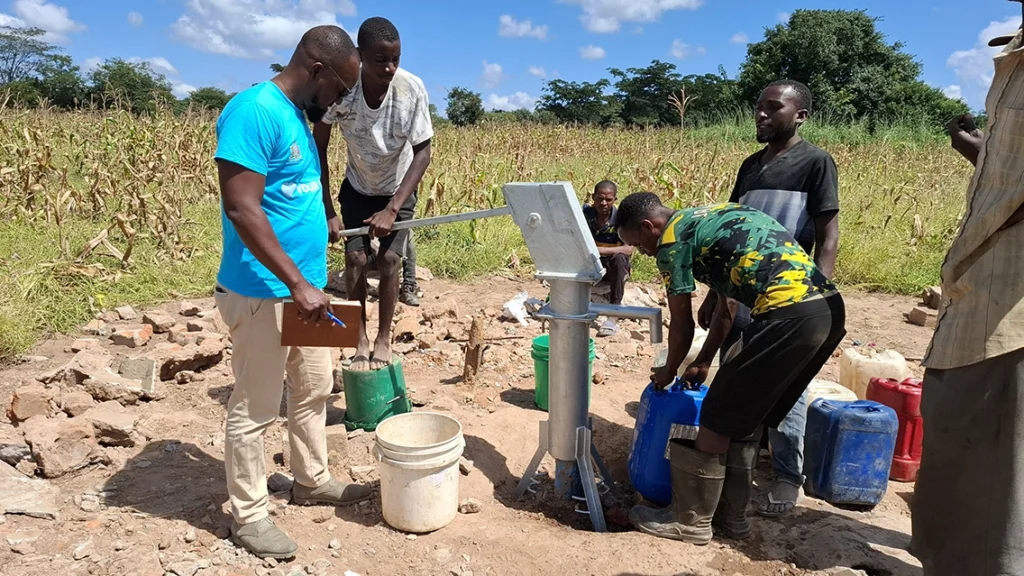
It's another way that we work to address one of the root causes of avoidable vision loss, but it also helps us tie into improved health outcomes overall. Accessible clean water helps prevent dozens of infectious diseases. It also improves quality of life for women and girls, who are often tasked with the job of fetching water, which can take up hours out of the day and prevent them from participating in school, work or other activities. Moreover, clean water means people can grow vegetable gardens, raise livestock and keep entire families, and communities, happier and healthier.
When we invest in sight, we invest in education, productivity and dignity. To eliminate avoidable vision loss, vision care needs to be recognized as a public health priority and integrated into national health strategies. Operation Eyesight’s global experience – from rehabilitating boreholes in Zambia to collaborating with partners on new policies in Canada – demonstrates that integrating eye health into primary care, addressing environmental determinants like access to clean water, and empowering community health workers leads to sustainable, measurable outcomes. Policymakers have a critical role to play in building resilient health systems that ensure equitable access to vision care for all.
Read more about our approach to Hospital-Based Community Eye Health.
Plowing the fields, checking on his crops and just walking around the farm all became difficult – and even hazardous – for Harprasad when his eyesight started to fade. For the 69-year-old farmer in India, the idea of quitting work and sitting at home all day was unbearable. His pride was in maintaining the family’s land, alongside his wife, daughter and three sons.
Harprasad discussed his failing vision with his family, but they were unsure where to seek eye treatment.
Happily, the family’s village was included in one of our outreach projects. A community health worker showed up on their doorstep and examined Harprasad’s eyes, concluding that he had cataracts, a diagnosis that was confirmed after she sent him to the nearby Nehtaur Vision Centre.
Initially, Harprasad’s diagnosis caused him even more anxiety, as he worried about how he’d pay for the recommended cataract surgery. But the community health worker explained that he qualified for a free operation and that his transportation, meals and hospital stay would also be taken care of, thanks to the support of generous donors like you.
Harprasad underwent bilateral cataract surgery at our partner hospital, the C.L. Gupta Eye Institute in Moradabad. When the bandages came off, he was amazed by his clear vision. Now he’s confidently working on his farm once again.
Drive 10 hours north of Malawi’s capital city of Lilongwe and you’ll find yourself in Chitipa District, a hilly, agricultural region sandwiched into the tripoint border with Zambia and Tanzania. Until recently, the local hospital was over capacity and many people seeking eye health care were being referred to neighbouring hospitals, all between 100 to 350 kilometres away.
Now, thanks to the new Operation Eyesight Vision Centre at the Chitipa District Hospital, help is closer at hand. Working with our partner the Malawi Ministry of Health, we celebrated the official inauguration of the new vision centre on March 14.
The vision centre offers comprehensive eye exams and a variety of treatments, including cataract surgeries. The optical shop will also be able to manufacture and dispense eyeglasses to patients on the spot. The project was made possible through funding from the Estate of John and Gwendolen Margaret Crowe, from Vancouver, Canada.

Blessings Banda, our Program Manager in Malawi, says locals are relieved to have nearby treatment options. “Opening the vision centre will reduce travel and improve the quality of eye care services for patients,” he says. “This project excites me as the new centre is large enough to provide services to those in need.”
Kennedy Phiri, our Country Director for Zambia and Malawi, adds that the new vision centre will serve more than 256,000 people living in the district.
“Operation Eyesight is committed to supporting the government of Malawi to improve the delivery of quality eye care and reach out to communities in need,” Kennedy says. “This milestone today demonstrates that commitment and the great partnership that we have with the government.”
Learn more about our work in Malawi here. Donate today to bring critical eye health services to more communities.
On the day I arrived in Garbatulla, Kenya to begin my work with Operation Eyesight, there was no electricity, so I couldn’t let my colleagues back in Nairobi know that I had made it. The next day, the network came back online, but the incident sums up one of the challenges of working in this area – the difficulty in connecting with people, including many of our community health promoters who live in villages without network coverage.

Many people here in Isiolo County, in Kenya’s arid upper eastern region, are semi-nomadic. They move from place to place in search of pastures for their cows, sheep, goats and camels. Recently, flash floods cut off access to several villages. That’s why the new vision centre we’ve established in Garbatulla – in partnership with Garbatulla Sub-County Hospital – is so important. Now there’s a permanent eye clinic people can visit whenever the roads are open or when herders are back from distant pastures.
When I got here, I stayed at a local mission as I hadn’t found a permanent place to live.
A woman there named Hellen was very kind to me, making sure I got my tea each morning and that I had everything I needed to get settled. When I explained what had brought me to Garbatulla, she said she was struggling with her vision. I encouraged her to come to our clinic, where she was diagnosed with a cataract in her left eye. She was concerned that taking time off would disrupt her duties at the mission, but on the day of her operation she showed up and got it done.
I just had lunch with Hellen recently, and she is doing very well and has made a full recovery. I’m grateful to have helped someone who made me feel so welcome when I first got here

Samson Ngyongesa started working for Operation Eyesight in March 2025. He is the Program Coordinator supporting our Johnson & Johnson–funded Hospital–Based Community Eye Health Project in Garbatulla, Kenya. Samson previously worked for the Asante Africa Foundation, implementing a digital transformation strategy in remote parts of East Africa, and he has a background in economics.
Eye health care is more accessible than ever for people in Zambia’s Chikankata District, thanks to the new eye clinic at the Kafue Gorge Hospital.
The clinic was inaugurated in December with music, dance and speeches. We supported the construction of the building and provided ophthalmic equipment and furnishings, all made possible by the generosity of donors like you.

Zambia Country Director Phiri Kennedy says, “This is a proud moment for Operation Eyesight. We will continue to support the government through this and many other interventions, to take services closer to the people and prevent avoidable vision loss. We urge the community in Kafue Gorge to fully utilize this service to prevent people from losing sight unnecessarily.”
The clinic now offers a variety of services, from comprehensive eye exams to surgical services and referrals.
The OneSight EssilorLuxottica Foundation, our longstanding partner, is supporting the project by equipping the optical shop to dispense eyeglasses.
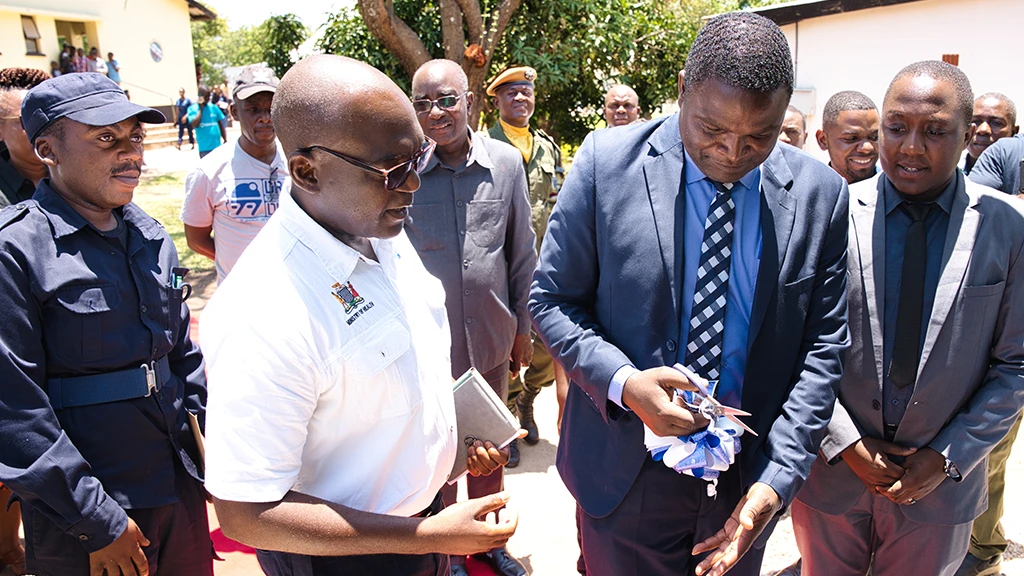
Beyond the 16,000 people directly served by the clinic, there are another 15 health centres that refer patients to Kafue Gorge Hospital, meaning our investment in this new eye clinic will benefit thousands more people – and their families – in the surrounding districts.
Learn more about our work in Zambia.

My recent visit to Uttarakhand, India, was an eyeopening experience, showcasing the profound impact of our projects. In January, I joined a team from our partner institute, the Vivekananda Netralaya Super Specialty Charitable Eye Hospital, during a community outreach exercise in the rugged terrain of Rudraprayag, where many villages are accessible only via steep, challenging footpaths.
What touched me most was witnessing elderly men and women blessing our community health volunteers with heartfelt wishes for good health and long life. It’s moments like these that remind us of the true essence of service – not just reaching but becoming a part of the community.
Since 2021, our team has tirelessly brought eye care to the doorsteps of those in the area. Whether braving freezing winters, scorching summers, relentless rains or storms, their commitment has never wavered.
Mountains may test our resolve, but they also teach us resilience and purpose. My sincere appreciation to the entire team for their steadfast dedication to transforming lives in these challenging conditions.
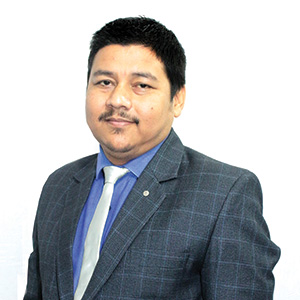
Emmanuel joined our team in India in 2021. As a Program Manager, he oversees programs in the states of Arunachal Pradesh, Meghalaya, Bihar, Uttar Pradesh and Uttarakhand, often joining teams in the field to check in with partners and monitor projects. He has a Master of Social Work and has been working in the development sector for 15 years. He lives in Shillong, Meghalaya with his wife and two sons.
Horibala, from the village of Godashimla, Bangladesh, likes to keep busy. The 65-year-old finds joy and motivation in her favourite pastimes: sewing and travel.
But for years, she was unable to enjoy these activities as her eyes clouded over with cataracts.
“I couldn’t see at all,” she recalls. “Even when I closed one eye to see anything, it was blurry. I felt helpless.”
As her eyesight faded, she found herself depending on others for almost everything. Simple tasks like washing clothes, making a meal or even lighting the cooking stove were impossible.
Things turned around for Horibala after a visit from an optometrist from the Madarganj Vision Centre, run by our partners at Symbiosis International, who was doing a door-to-door survey. The optometrist referred Horibala to our partner institute, the Dr. K. Zaman BNSB Eye Hospital in the nearby city of Mymensingh, for bilateral cataract surgery.

Thanks to the generous support of donors like you, her sight was finally restored.
The medication she received at her follow-up appointments relieved the discomfort of watery eyes after surgery. Soon, she regained her ability to see.
“Now, I can do everything. There’s a big difference between being able to see and not seeing at all,” she says. “For the past year, I’ve been able to work, sew and even travel. My life feels normal again.”

Now overflowing with gratitude for her regained sight, Horibala acts as an advocate in her community, encouraging people to take care of their eyes.
“I tell everyone: if you have an eye problem, don’t wait. Go to this hospital and get treated immediately. Being able to see again is priceless!”
Donate today to help more people like Horibala see clearly again!
