

What is Universal Health Coverage (UHC) and why is it important? Last month at the United Nations General Assembly, world leaders adopted the goal of working together to achieve UHC by 2030 as part of the Sustainable Development Goals (SDGs). Currently, more than half of the world’s population lacks access to essential health services. Those living in poverty are even more disadvantaged by having to pay for these services, pushing them even further into the cycle of poverty. In a world with UHC, every woman, girl, man and boy would have access to essential health services without facing a financial burden or exclusion.
At the Devex UHC Pavilion, I had the opportunity to hear from global leaders who discussed these challenges and shared insights about how we can work towards achieving the goal of UHC. Many ideas were shared, and it is clear UHC will not be achieved alone; we need to build collaborative, multi-sector partnerships that bring together a range of perspectives and expertise. Our beneficiaries must be at the centre of our solutions; a human-centred approach is essential to ensure we are fully meeting the needs of the end user. Further, we need to build scalable and sustainable models that can attract private sector investment to our solutions. Most importantly, through all of this we need to ensure we leave no one behind – that means developing innovative models to reach the most underserved and marginalized communities.
Uncorrected poor vision is the world’s largest unaddressed disability, with one in three people being affected – 89 percent of which live in developing countries (Essilor). Even more alarming, this costs our global economy US$272 billion in lost productivity every single year (Essilor).
Poor vision is a public health crisis, and it is both a cause and consequence of poverty. Those who live in poverty are more susceptible to vision impairment because of lack of access to primary health services, poor hygiene and sanitary conditions, and cultural stigmas around vision correction. When a person living in poverty can properly see, they become an active, engaged member of their community, and they no longer face the burden of being shamed for their disability.
An estimated US$14 billion is required to create a world free from uncorrected refractive errors (Essilor). This sounds like a lot, but it is achievable – with commitment and action from governments, the private sector, civil society organizations and global citizens like you.
Together, we can improve the lives of millions of people by preventing blindness and restoring sight. A simple pair of eyeglasses enables individuals to return to work, provides children with the opportunity to attend and succeed at school, and increases one’s safety and well-being.
We partner with local hospitals and governments to provide quality eye care services to everyone – regardless of gender, age or ability to pay. We work to address the root causes of avoidable blindness and remove barriers to access for women and men alike. Our innovative community outreach model trains community health workers – typically women who live and work in our target communities – to conduct door-to-door eye screenings and educate families about eye health and general health topics such as prenatal care, nutrition and immunization.
Enabling individuals to reach their full potential benefits us all. We have made significant strides in addressing poor vision, but there is still much work to be done. We have an opportunity to collectively address one of the world’s largest public health challenges and improve the lives of millions while doing so.
This World Sight Day, October 10, I invite you to make a donation and join us as we transform lives – For All The World To See.
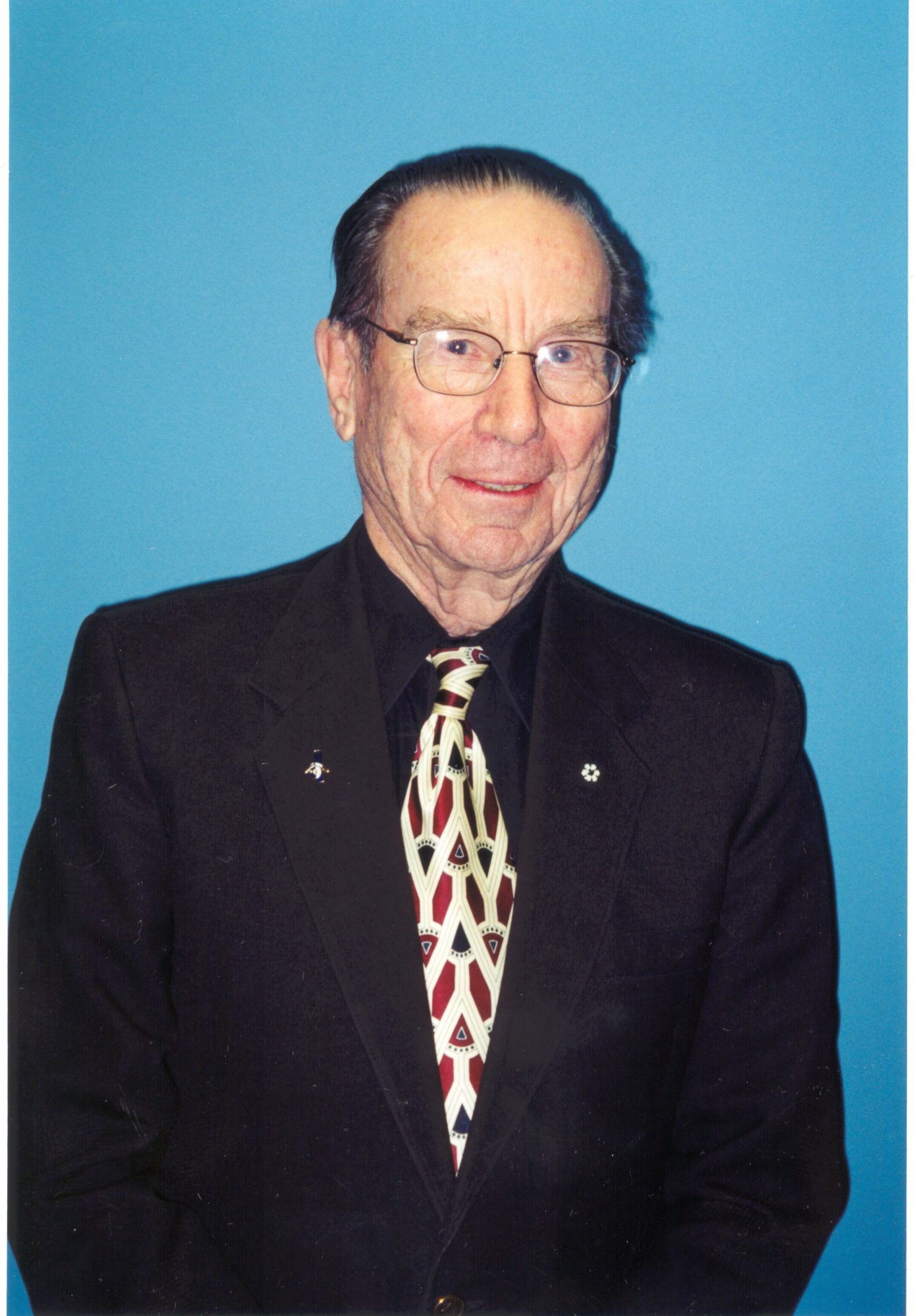
When Operation Eyesight’s founder Art Jenkyns passed away on January 26, 2005, we knew that the world had lost a rare individual. Much has changed since the first meeting of “The Gullison Club” in 1963, when Art and his fellows at the Baptist Men’s Club raised $840 in support of Dr. Ben Gullison’s Arogyavaram Hospital.
A lot has changed since Art’s passing, too. In the past 10 years, we have adapted our methods and worked to tackle the root causes of avoidable blindness.
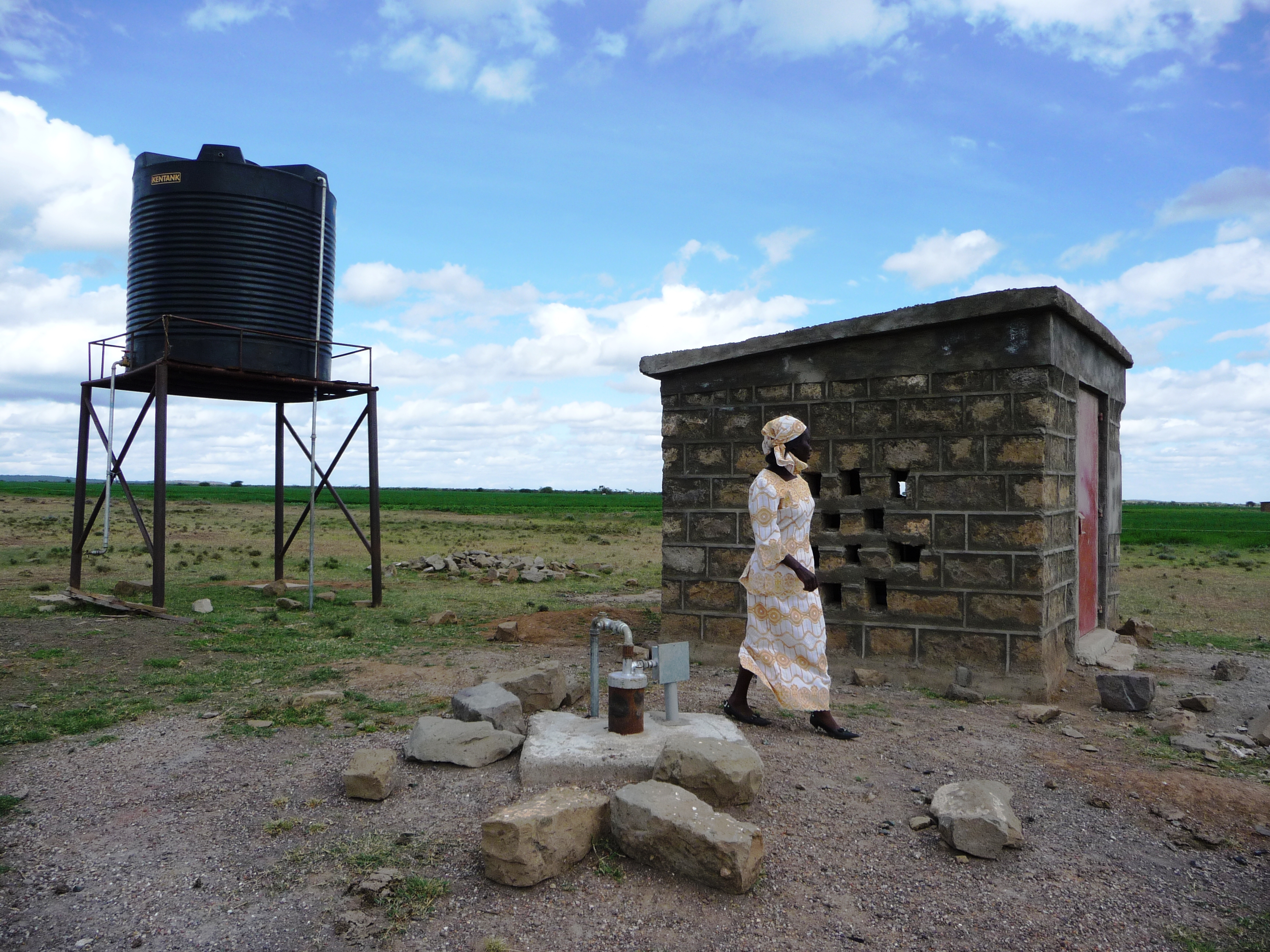
One such example is our effort to eliminate the agonizing eye disease trachoma. In 2007, we drilled our first borehole in Kenya’s Narok district, part of a strategy to change the conditions that allow the trachoma-causing bacteria to spread. Since then, we have drilled boreholes in Kenya’s West Pokot district and Zambia’s Sinazongwe region.
Another change is that we now work more closely with our partners. Our India staff have created a model of hospital-based community eye care that provides important technical advice rather than financial support. This model was endorsed by Vision 2020 India and represents a unique way of thinking about ending avoidable blindness. It involves establishing local referral and treatment services and training local community eye health workers.
These solutions are designed to create eye health care that can be sustained without foreign financial assistance, so that the places where we work will be able to eliminate avoidable blindness once and for all.
Art Jenkyns believed that we have the means and responsibility to help people who suffer from avoidable blindness. While those means have changed, the responsibility remains, and we are so thankful that our generous donors agree that this serious health issue is a challenge that must be addressed.
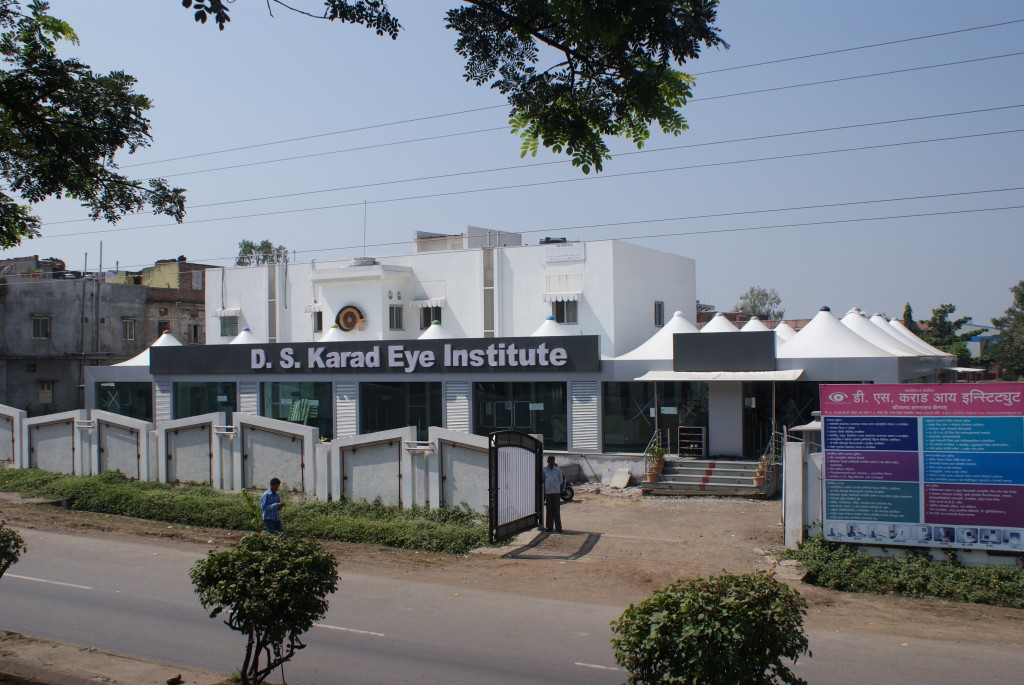
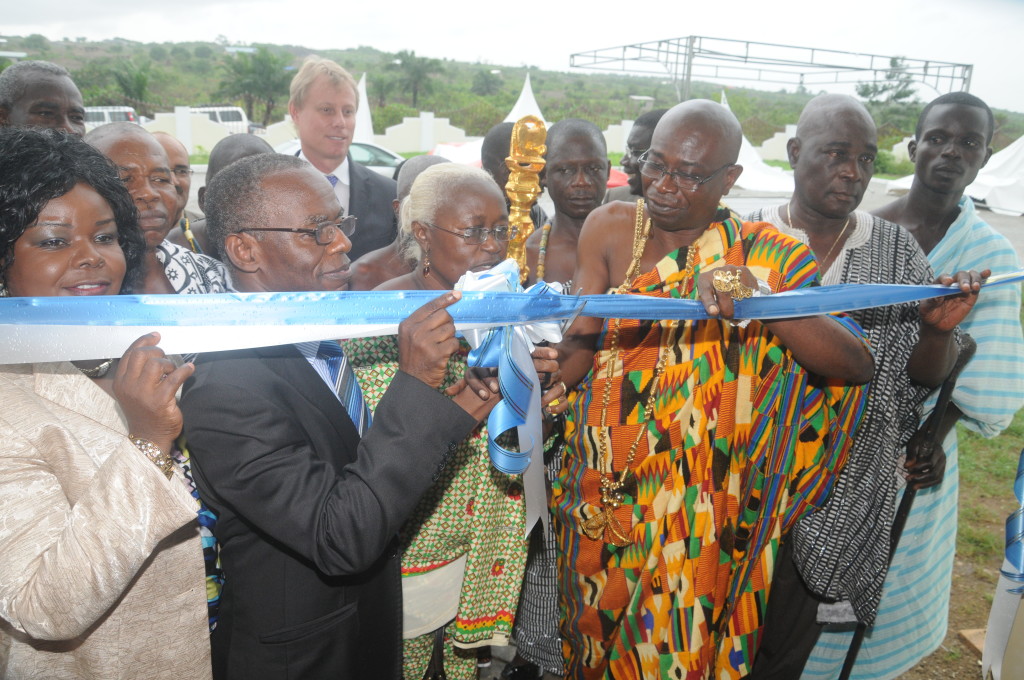
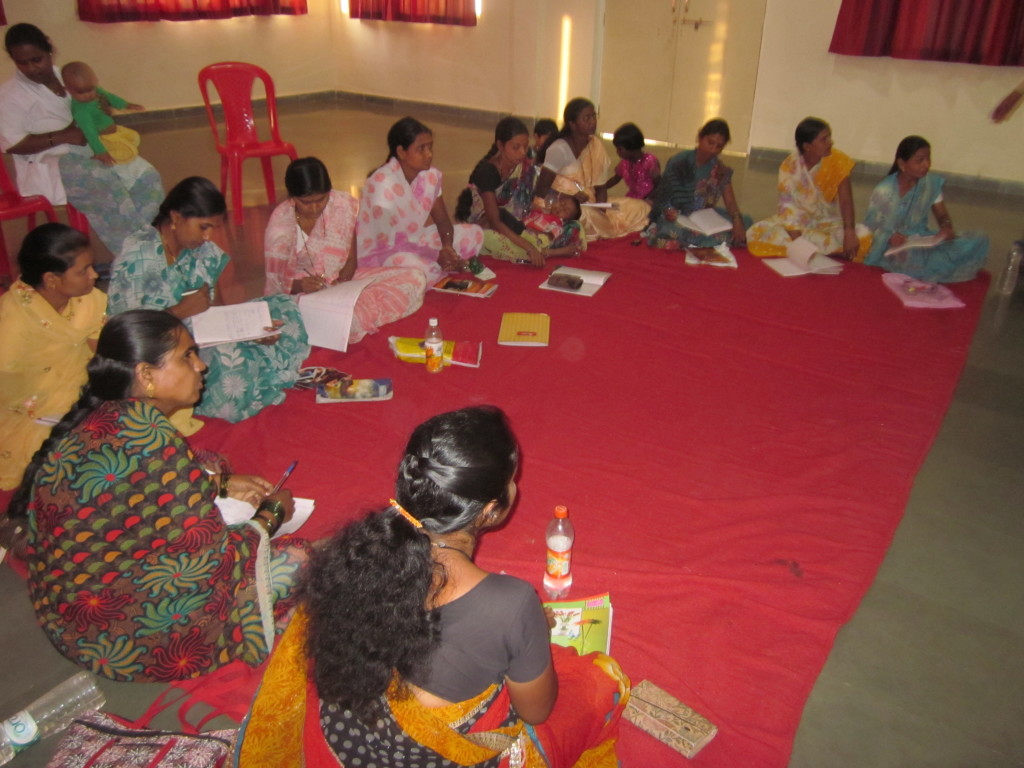
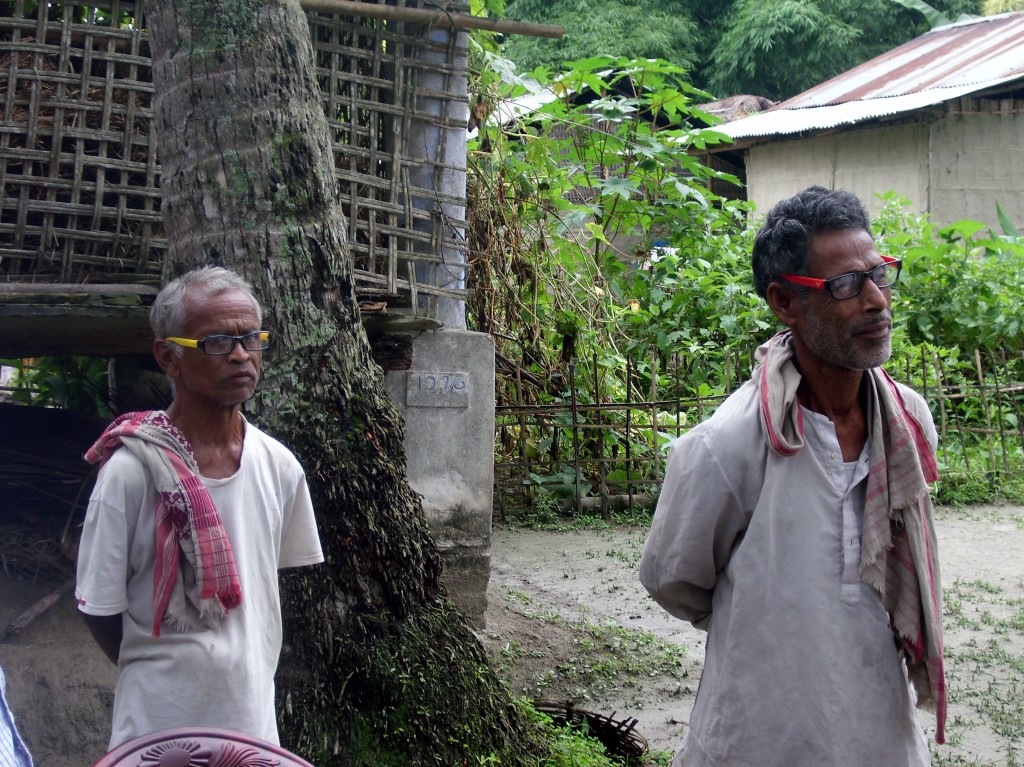
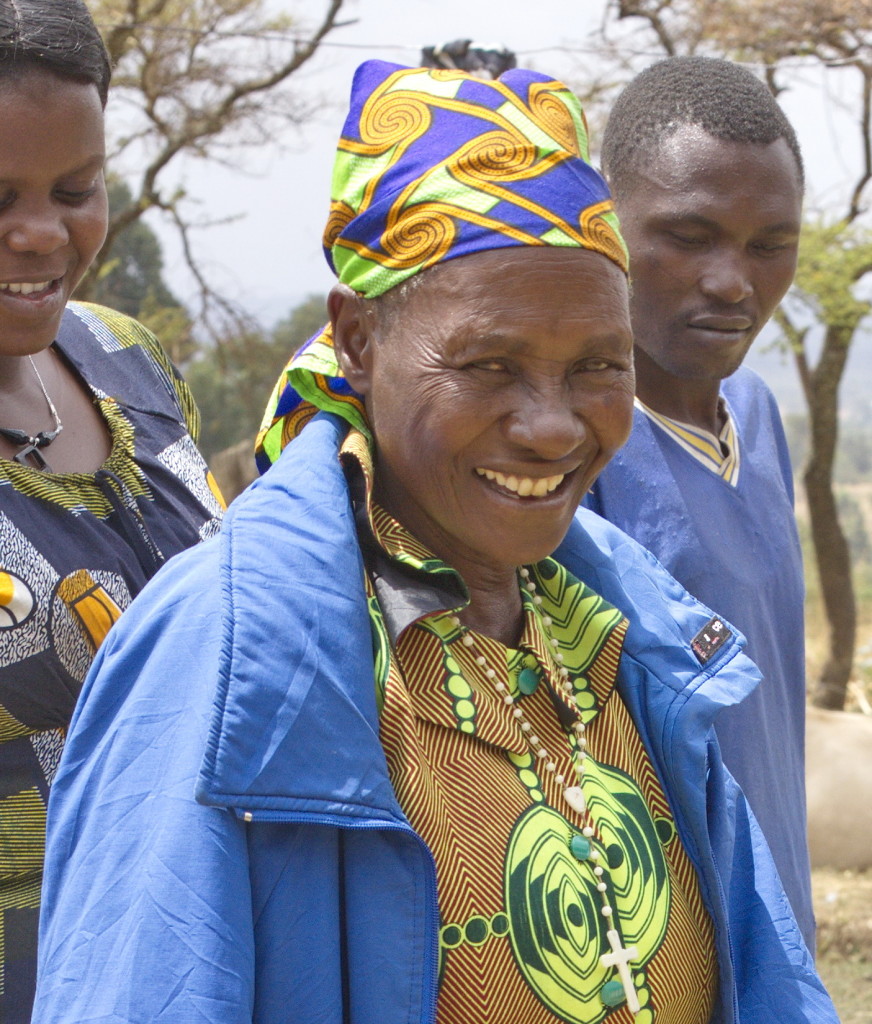
We thank everyone who honours Art by making sure that his message is heard. We know that his dream of a world without avoidable blindness will one day be a reality!
Operation Eyesight was recently approached by blogger Grant Wish to do a Q&A for CauseArtist. We turned to our expert in the field, Kashinath Bhoosnurmath, Senior Director of International Programs, for the answers. The discussion captures Operation Eyesight's approach to sustainable development and demonstrates how we are finding solutions to eye health issues. You can read highlights from the Q&A below or view the full discussion here.
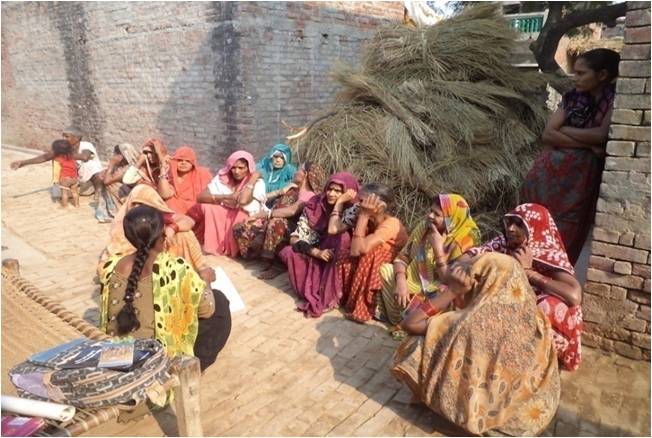
Q. Since the 1960s, Operation Eyesight has been evolving its approach to eye care. Can you tell us what the main difference in approach is when tackling the problem from a charity perspective and now from a development perspective?
A. In the early 1960s, the emphasis of all eyesight-related international non-governmental organizations (INGOs) was on the large backlog of cataract cases in India and other developing nations. We began by funding screening camps, cataract surgeries and training aimed at reducing the backlog. Over time, we transitioned from a charity or aid model to a development model.
Rather than simply finding Band-Aid® solutions to temporarily alleviate health issues, we invest in sustainable treatment, prevention and community development activities to address specific eye health problems, as well as the root causes of blindness. Not only do we restore eyesight, but we work to prevent people from going blind in the first place – and we do this by working collaboratively with our local partners.
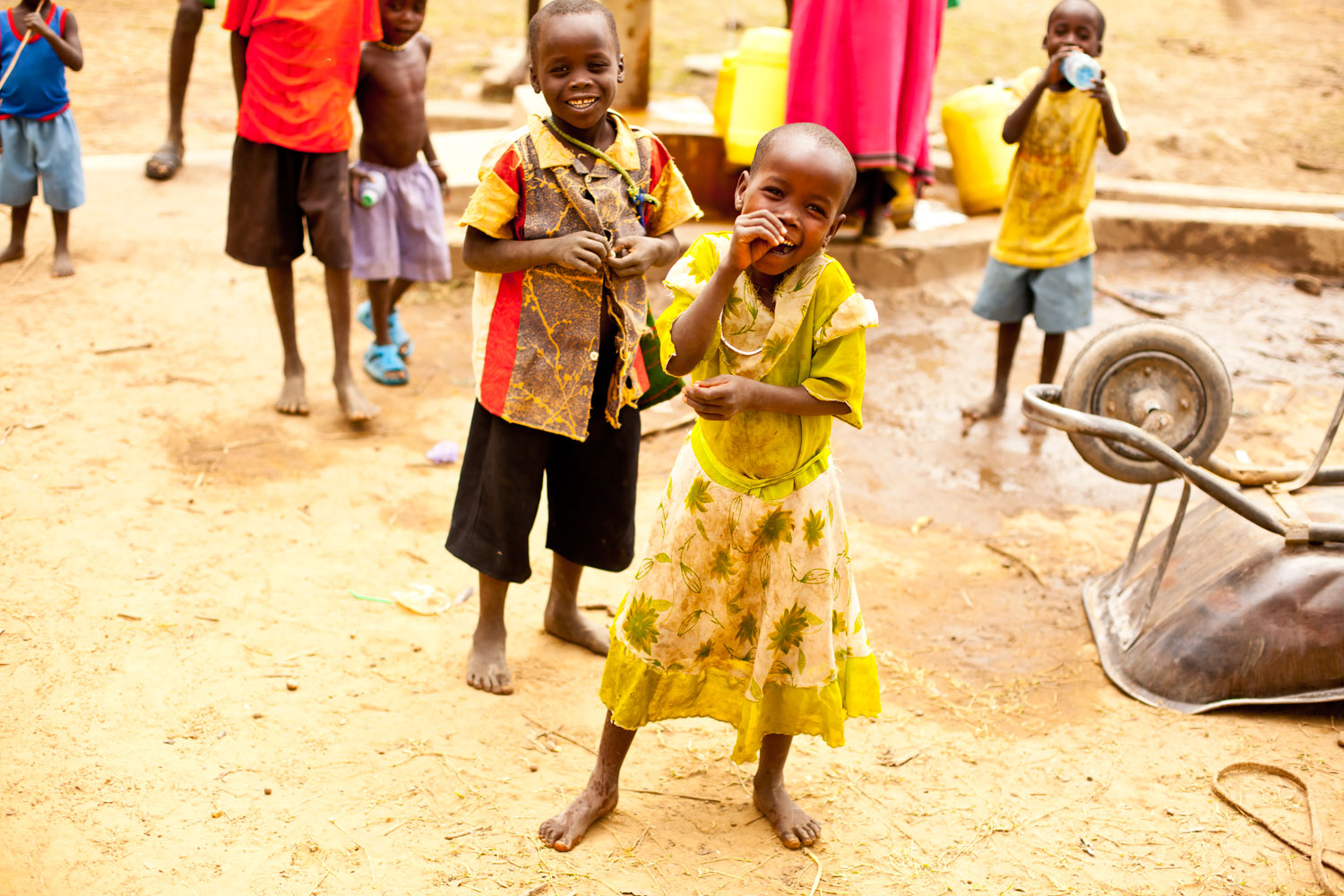
Q. Most of the organization’s work is occurring in India and Africa. Have you seen that blindness is occurring in the same fashion in both regions, or are the causes and cases you see based on geographical location?
A. The common causes of avoidable blindness, such as cataract, refractive error, glaucoma and diabetic retinopathy, occur in all the countries in which we work: India, Ghana, Kenya and Zambia. However, we are also working to eliminate trachoma, a blinding eye disease, in Kenya and Zambia. Trachoma is no longer a problem in India and Ghana.
If you look at the root causes of avoidable blindness – poverty, illiteracy, lack of eye health knowledge and inadequate eye care facilities – there isn’t much difference between India and countries in Africa. The major difference that we see between the two is that in Africa it is the public health systems that deliver the majority of the eye care services, whereas in India the eye health sector is dominated by INGOs embedded in an overall supportive public health policy framework.
Q. What does development mean to Operation Eyesight? How does the organization’s model promote a sustainable approach to ending avoidable blindness?
A. To us, development means empowering our target communities and our local hospital partners so that ownership of the problem of avoidable blindness and the solutions to the problem lie with them. It is they who eliminate avoidable blindness on a sustainable basis with Operation Eyesight’s support for capacity-building and infrastructure development. We support local solutions by local people. We work collaboratively with each of our partners to set objectives and develop a practical plan that will ultimately achieve quality, sustainable eye care services.
On the other hand, the goal of eliminating avoidable blindness isn’t going to happen until every country has a health care system that includes eye care – a system they can sustain without foreign support. And that is exactly what our organization is working toward through our policy research and advocacy efforts.
Our vision is, “For all the world to see.” We recognize that isn’t going to happen overnight, but through the implementation of our quality, sustainable community development model, we are demonstrating that we have solutions to eye health problems. We have the answers. The elimination of avoidable blindness is possible!
Have you ever wondered why Operation Eyesight is so big on quality? It’s a fair question. Why insist on high international standards for poor people? Isn’t just about anything better than what they have?

To answer that, picture a tribal woman in a remote part of India, who is going blind from cataracts. She’s a poor woman who knows if she can’t see she can’t work; and if she can’t work, she doesn’t eat. The woman knows there is an eye clinic not too far away that can fix her eyes free of charge. But she doesn’t go.
Why not? Because she knows people with similar problems who have gone to that clinic, and came back worse than before. The woman may be poor, but she’s no fool. She would rather live with the grey fog of cataract-clouded vision than risk being permanently blinded, or in pain due to a botched surgery.
Throughout India and other countries with large populations of low income people, this scenario plays out over and over. Cataract is the main cause of avoidable blindness everywhere, affecting millions of people; yet cataracts are relatively easy and inexpensive to correct.
Many charitable eye clinics, in their efforts to restore sight to cataract sufferers, have been pushing people through the system for years. Medical teams cut corners and take chances that would be unthinkable in other countries. The emphasis on quantity (instead of quality) translates into failed surgeries. It’s still happening today. Many hospitals that offer free treatment to the poor receive their funding based on the number of people they treat, instead of how many people get healed.
In 2003, a landmark research project studied the impact of all those cataract surgeries. It confirmed that yes, cataract was the number one cause of blindness – about 50 percent of all cases. Cause number two? Failed cataract surgeries.
This news landed with a thud throughout the international eye care community. I can tell you how Operation Eyesight responded: we resolved to place quality among our top priorities. We communicated this expectation to our medical partners, and lost some who were unwilling to work towards our goals in the process. Since then, we have invested in upgrades to facilities, training, equipment and procedures. While this is still a work in progress in some regions, we are working with all of our hospital partners to achieve World Health Organization (WHO) standards in surgical outcomes – the same as in Canada, where I live.
But there’s more! Quality is not just about best practices; it’s about how we regard the people who need our help – people like that same tribal woman I mentioned earlier. Come back on June 8 when I’ll describe what we see when we look through her eyes. And learn more about our approach to quality in our Spring 2012 newsletter, “No compromise: Quality is key to achieving sustainable development.”
Today the word “remembering” is on my mind as we observe Remembrance Day in Canada and many other nations around the world. In terms of Operation Eyesight, that got me thinking about our beginning almost 50 years ago. As our founder, the late Art Jenkyns, listened to Dr. Ben Gullison speak in a Calgary church basement, he caught the vision for a world in which every person could see.
In those days, Operation Eyesight focused mainly on people with cataracts. Cataract surgery is still an important part of our work because cataract remains the world’s leading cause of avoidable blindness. In fact, more than half of the world’s blind people are blind because of cataract. Have a look at this short video to learn more about this common condition.
For a child, being blind means she can’t go to school – and education is the ticket to a better life in the developing world. Blindness for an older person means that he is totally dependent on family for even the simplest things like food and finding his way to the outhouse. In the developing world, a blind woman may be outcast, abandoned by family because she is seen as a burden.
As the countries in which we work develop functional health care systems, hospitals become more efficient and can meet international standards. And strengthening the health care systems is the best strategy to deal with the backlog of cataract cases.
When you donate for a cataract surgery, you’re not only giving a person in Africa or India the gift of sight, but you’re also contributing to the operating costs of that hospital until that hospital is self-sufficient and can cover these costs themselves.
Subsidizing operating costs is important for new partners in India, and for partners in Africa where achieving self-sufficiency is a longer process.
Ultimately, a more efficient, productive hospital means that it will eventually be able to fund the surgeries and other necessary costs itself. That is Operation Eyesight’s goal – strong hospitals and health systems that can operate successfully without any outside intervention. Most importantly, it gets us closer to a world free of avoidable blindness.
Operation Eyesight is, at its heart, a community of support. In addition to a small number of employees and volunteers, it’s our large group of active supporters that really makes this organization tick. These supporters come from all walks of life and have a wide variety of gifts to share.
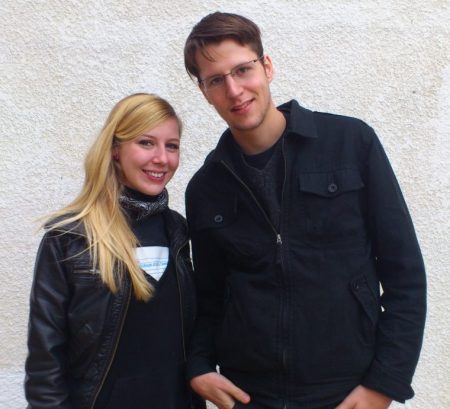
Take, for example, Alana Thorburn-Watt and Levente Kovacs. These two fourth-year students from the Alberta College of Art and Design (ACAD) have a deep interest in the people of the developing world, especially those with special challenges like vision impairment.
We met Alana and Levente through a very interesting project – our need to express the central issues around global blindness in a fresh but effective way, which led to a form of storytelling we had never explored before. We needed something for our website that would grab viewers and quickly explain the urgency behind avoidable blindness, in terms that everyone can understand.
Levente and Alana learned about our communications challenge through ACAD’s Student Resource Centre blog. They, in turn, wanted to contribute their expertise to making a difference in the world, as well as expanding their portfolio to different kinds of projects.
What followed was a series of successful meetings and a true merging of creative possibilities with organizational objectives. Alana’s and Levente’s skill with digital animation and storytelling gave life to the central message that millions of people can’t see things that you and I take for granted – and we can all do something about it, right now.
The result of our collaboration was a two-minute animated video called “See This.” We feature it front and centre on a very different kind of home page, launched on World Sight Day (October 13, 2011). Have a look! What do you think of our project? We’d appreciate your feedback!
We believe the video meets all our objectives, and are very pleased with the outcome, and we really enjoyed working with these talented young people. I’ll close with Alana’s words, which I hope will strike a chord with our other supporters – people like you.
“Be open-minded to different causes. Look around and see the good things people are doing in your community and around the world. You never know what will touch your heart and resonate with you.”
Tilt your head. Then close one eye, squint out of the corner of the other eye, and try to read this story.
Don’t you find it awkward, uncomfortable and hard to see?
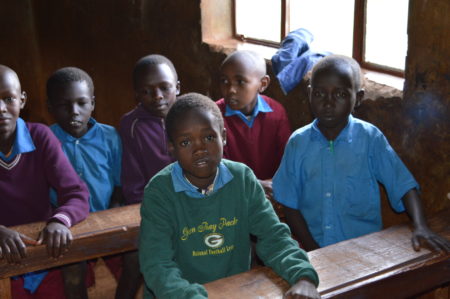
That’s how Caleb, an 8-year old boy from Kenya, grew up looking at the world!
Caleb’s grandfather first noticed his grandson’s mannerism about three years ago. That’s when he started raising the little boy after his parents abandoned him. To see ahead, Caleb had to tip his head to the side and then squint out of the corner of one eye. Even then, his world was very blurry!
Unable to read and write because of his poor vision, Caleb was left behind in kindergarten while other children his age were in second grade. He was so self conscious about not being able to see!
His grandfather watched Caleb’s struggles with great sadness. But what could he do? All he owned in the world was a half-acre farm and two cows. He couldn’t afford to take his grandson to a doctor. All he could do was hope and pray that the little boy’s eyesight improved.
Caleb and his grandfather shared a deep, unspoken fear – that he would lose his sight completely, never gain an education, and be sentenced to a bleak life.
Fortunately, a teacher noticed Caleb’s poor vision and notified an Operation Eyesight partner eye clinic. There, he was diagnosed with cataracts! He was referred to a pediatric ophthalmologist at Sabatia Eye Hospital. Caleb underwent separate surgeries for his eyes – at no cost to his grandfather, thanks to generous donors like you.
A day after Caleb’s first cataract surgery was performed, great improvement was already noticeable. He could look directly at someone without having to turn his head!
His second surgery improved his vision even more, and today Caleb can see the world more clearly. Now he’s confident he’ll be able to keep up with his classmates, both in school and out. His grandfather looks forward to a brighter future for his grandson.
Both Caleb and his grandfather are grateful to kind donors like you for your generous support. His grandfather says, “God bless you! Thank you and please keep up the good work!”
Thanks to the incredible support of people like you, Caleb has renewed hope for a clear future! There are many other children like Caleb who need your help, and you can give them the Gift of Sight today by donating to our >cataract surgery program. Together, we CAN eliminate avoidable blindness... For All The World To See!
For most of us, leaving our comfort zone is something we like to avoid. But for Aly, our President and CEO, getting uncomfortable is something he looks forward to in the weeks to come.
During September, Aly will be visiting our project countries to meet with our international team and participate in 30 days of jam-packed activities, including inaugurating a vision centre, visiting an avoidable blindness-free village, touring some of our partner hospitals and participating in meetings with our staff, partners and eye health colleagues.
With so much ahead, we're eager to follow Aly's travels on social media, as he'll be tweeting live updates when he can. Follow him on Twitter to stay up-to-date!
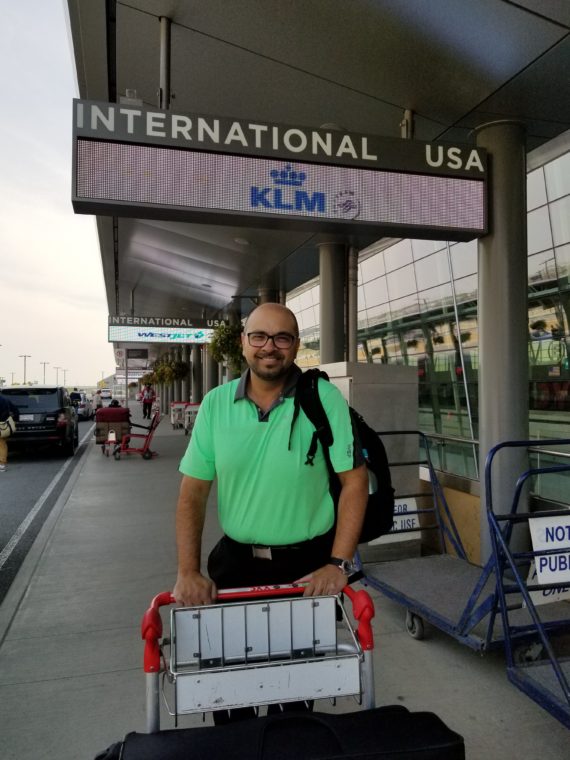
Aly will be representing our Canadian team and donors during his travels. "This trip is an opportunity for me to communicate the gratitude of our Calgary team and all our donors to our international teams for the work they do,” he says. “And also to connect our Calgary team with our international teams and strengthen the bonds between us."
But this trip won't just be business for Aly. "On a personal level, I'm representing my family. This is a chance for my parents and grandparents to give back to our home country through me. I haven't been back to East Africa since moving to Edmonton with my family as refugees when I was two years old." Aly says he’ll be carrying his family history with him as he sets foot on home soil for the first time in years, and it will be an emotional return for him.
We asked Aly what he hopes to leave behind and what he hopes to bring back to Canada...
"What I hope to leave with our international teams is a connection to me, to our Calgary office, so they know that we're more than just distant names and titles. There's a fire we share, and we can relate to each other through our mutual passion.
What I hope to gain and bring back is the ability to absorb my experience and harness it as motivation for myself and for our Calgary office, our supporters and volunteers. I want to inspire them, so they know that together we can achieve more – do more to make our mission to eliminate avoidable blindness a reality."
Aly is looking forward to seeing our work first-hand for the first time.
"I'll be experiencing the outcomes of the work we do, seeing the results of our team’s hard work and dedication, and seeing the work that our donors have made possible. I want to empower our international staff, and I hope to let them know that they have my full support to continue doing the work they’re doing.
I also want to build new partnerships and strengthen existing partnerships. I want to let the world know that Operation Eyesight is making serious strides towards accomplishing our mission. And to do that, I'm going to challenge our stakeholders – our allies, volunteers, donors – to rally behind us and scale up with us, so we can reach more people in need and make an even greater impact."
Is this outside of Aly's comfort zone? He says that yes, it absolutely is – but that's just how he wants it.
"I want to get a little uncomfortable. I grew up with a western perspective, so at times I’m going to be uncomfortable with what I see and hear and smell. It will all be unfamiliar and different. Communicating will be difficult, which means I'm going to be vulnerable. It will be an emotional time, and I need to be okay with that."
We wish Aly all the best on his travels. There will be so much we can learn from his experience, and we’re all looking forward to hearing his stories and sharing them with you, our supporters.
Stay tuned to our blog and social media for more updates from Aly throughout September. Follow us on Facebook and Twitter so you don’t miss an update.
