
Asafora is like many other small villages in central Ghana; its several hundred residents are mostly farmers growing cassava and plantain, and many community members have faced barriers to accessing eye health care.
What sets this community apart? It is the first village in the country we declared Avoidable Blindness-Free.
The December 2022 declaration event was several years in the making and is the product of collaboration between the community, the local government and our partner, Saltpond Government Hospital.
“Avoidable Blindness-Free means that the village is free of untreated vision loss,” explains Emmanuel Kumah, our country director for Ghana. “It also means that people in the community know where to receive care. This is important in communities like Asafora, where there has historically been resistance to receiving eye care.”
Our partnership with Asafora began in 2017 with primary eye care training for 10 local community health nurses. This team conducted door-to-door surveys to identify people with eye conditions, distributed vitamin A supplements and provided basic immunizations. Patients with cataract and other eye conditions were referred to the hospital for treatment.
We conducted a second door-to-door screening in 2021 to see how patients were doing and discovered several patients had refused care.
“We realized there was a lot of resistance to receiving eye care within the community, due to misconceptions about surgery,” Emmanuel explains. “We had to double down on our efforts to educate the community and inspire behavioural change.”
Community health nurses were deployed. They knocked on doors and attended churches, mosques, and child and newborn care sessions where they provided eye health education. Creating awareness and encouraging people to seek eye care helps ensure a village becomes, and stays, Avoidable Blindness-Free.
The declaration event was a landmark for public health in Ghana, and Asafora is the first of many rural villages to be declared Avoidable Blindness-Free in the country.
The novel coronavirus, COVID-19, is spreading across the globe and reaching the countries in Sub Saharan Africa and South Asia where we work.
In Canada, as we have seen around the world, the mitigation efforts in confronting COVID-19 are focused on the behaviours of the individual, the family and the community. Prevention is essential and community empowerment is vital.
The lessons from the Ebola epidemic in West Africa document the key role the community played in stopping the disease. Defeating COVID-19 requires leveraging and unleashing the power of community action to implement prevention measures and to strengthen hygiene. Empowering the community to take action explicitly aimed at behaviour change will minimize the spread of COVID-19.
Operation Eyesight will ensure clear guidance on risk, prevention and awareness of symptoms are available to the communities where we work and to the broader community.
Operation Eyesight works with the local government and partner hospitals in Sub Saharan Africa where our eye health initiatives have been implemented and with partner hospitals in India, Nepal and Bangladesh to try to get in front of the crisis and help ‘flatten the curve’.
During this crisis, Operation Eyesight, building on our strong local partnerships and community based programming, will focus on:
The window of opportunity is closing. Help us help the communities that you have supported for eye health to meet the challenges of COVID-19.
[drawattention ID=22481]
[drawattention ID=22463]
[drawattention ID=22438]
[drawattention ID=22413]
[drawattention ID=22391]
[drawattention ID=22452]
[drawattention ID=21866]
[drawattention ID="21977"]

Alice Mwangi is our country manager in Kenya, and she’s worked with Operation Eyesight for the last eight years.
We’re always excited for the chance to talk to our international team members because they have incredible experiences to share from their time in the field – and Alice had quite the story to tell!
Alice has seen how the work we do transforms the communities we help in Kenya. She told us that one reason Operation Eyesight is well-respected in the eye health sector by our partners and the governments we work with is because of our integrity.
“Our partners value us because they know that Operation Eyesight follows through,” she says. “Our partners trust us to do what we say we’re going to do, and that’s how we work together effectively.”
We wanted to know what Alice enjoyed most about her work on the ground, and this is what she told us:
“What I enjoy is being allowed to think creatively within the Hospital-Based Community Eye Health Program’s framework. We’re encouraged to adapt the model to suit the community being served, based on their culture and infrastructure.
“Households appreciate being visited by community health workers. They can’t believe that nurses are coming to their doorstep to check on them and refer them for treatment.”
Alice’s passion for her work comes from her own experiences, seeing our work in person. She has witnessed how people’s lives completely changed after receiving sight-restoring treatment.
“One thing that really inspires me is seeing how many people’s lives are restored when sight is restored. Our team meets people who feel like they’ve been condemned to die because they’ve gone blind – they can’t work, they can’t participate in their communities and they feel hopeless. In so many cases they’re extremely isolated, and they don’t know where to go to seek help.
“So, when a community health worker comes to their door and tells them they can get their sight back, their faces light up with joy and hope. When they receive sight-restoring treatment, they’re reborn, and they have hope again. They can go back to working and participating in their community. It’s incredible to be a part of that.”
Alice told us that because so many of the communities we serve are so far away from the resources they need, patients need transport to and from our partner hospital or nearest vision centre. Sometimes the partner hospital will provide transport, but our staff have field vehicles specifically for the transportation of staff and patients.
In some cases, a village is too remote, and doesn’t have the necessary infrastructure to build a local vision centre. In those cases, it’s easier to set up an eye camp in a village and bring the ophthalmic staff to them. Community health workers go door-to-door, telling people about the eye camp and referring people who need a diagnosis.
It’s difficult to reach communities that are so far away and hard to access, but Alice is fueled by her passion and dedication to reach absolutely everyone with the quality eye care they need.

“One story that has stayed with me is about an older man who had gone completely blind. He lived in West Pokot, in a hilly region that’s incredibly remote. He had heard about Operation Eyesight, and his daughter walked with him to Lomut Health Center to seek treatment. The health center is a satellite facility for the Kapenguria Eye Unit. He told me he had walked 12 hours! I could hardly believe it. He had heard about Operation Eyesight and the work we do, and his desire to see again was enough to carry him through the long hours of walking to seek treatment.
“When he reached the health centre, he learned that he had been suffering from cataracts. Soon after, he received sight-restoring cataract surgery, and he was so excited! He couldn’t believe he had his sight back.
"His treatment was completely paid for thanks to the support of our donors, and an Operation Eyesight shuttle bus was arranged to take him and his daughter home. The shuttle drove as far as possible before paying a local motorbike taxi to take them the rest of the way. In remote communities like his, there are no roads for traveling easily by car, and the most effective mode of transport is by motorbike. That's how far away this man lived! Unfortunately, his circumstances aren't unique. Many of the communities we serve are similarly remote and difficult to access. Even so, our team works hard to reach these communities to bring them quality eye care.
“I just remember how this man's face lit up when the bandages were removed after his surgery! His smile stretched across his face, and he could SEE again. His many hours of walking were not in vain. With his sight restored, his independence and his hope were as well. It’s always inspiring to meet people like this man and see how their lives are transformed after eye surgery.”
We’re so proud to have Alice in the Operation Eyesight family!
And it’s people like YOU who make her work possible. Together we’re transforming entire communities through the gift of sight – For All The World To See!
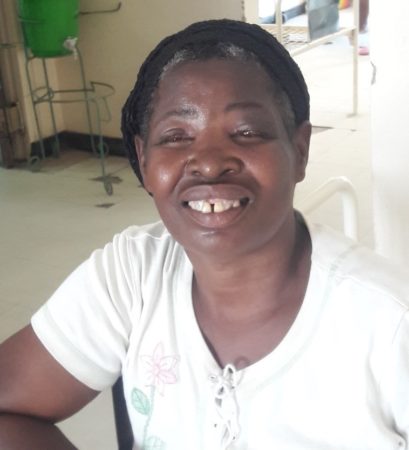
38-year-old Evelyn lives in Muziyo village, about 35 kilometers south of Zambia’s Sinazongwe District. What started as itching and irritation of the eyelids turned into severe, burning pain. Before long, Evelyn couldn’t even blink without feeling intense pain, and she started to lose some of her vision.
“It was very painful for me to open my eyes, and bright sunlight only made it worse,” she explains sadly. She didn’t know what was causing her so much pain, and she feared she would lose her sight completely.
It was a very difficult time in Evelyn’s life. She couldn’t walk without someone to guide her, and she could barely open her eyes. Sadly, Evelyn’s condition continued on like that for five long months.
Lucky for Evelyn, an outreach screening camp organized by Operation Eyesight was held in her village.
Evelyn attended the camp, where she was screened and diagnosed with trachoma, a bacterial eye infection that causes permanent blindness if left untreated.
Evelyn was referred for trachoma surgery at the Maamba General Hospital. Finally, her suffering came to an end.
Today, Evelyn can open her eyes without experiencing any pain, and her remaining vision has been preserved.

Trachoma affects women and children most, as children will touch their faces with dirty hands, and mothers will develop the infection through contact with their kids. Unfortunately, women don’t usually access eye care services with the same frequency as men. In many cultures, women’s health isn’t seen as a priority, and other barriers, such as low income or distance to a health centre, prevent women from seeking help. But thanks to you, Evelyn and the other women of Muziyo received the care they needed!
“I’m really so grateful for all the help I received,” Evelyn says smiling. She’s happy that her treatment was provided free of cost, all thanks to our generous donors!
There are still millions of women like Evelyn who need your help. Make a donation today and give the gift of sight!
Access to safe water and sanitation facilities in Kenya has traditionally been a challenge, particularly in rural areas. In Ichangipusi village in Narok South District, the primary source of water used to be a laga (a seasonal riverbed).
Villagers would journey more than three hours to collect water from unprotected, shallow wells dug in the riverbed. Children, mostly girls, would bring containers with them to school so they could fetch water on their long seven-kilometre trek back home.
This labourious process to collect water came to an end in 2010, when Operation Eyesight developed a borehole in Ichangipusi village to help in the fight against trachoma, a painful but preventable eye disease that causes blindness.
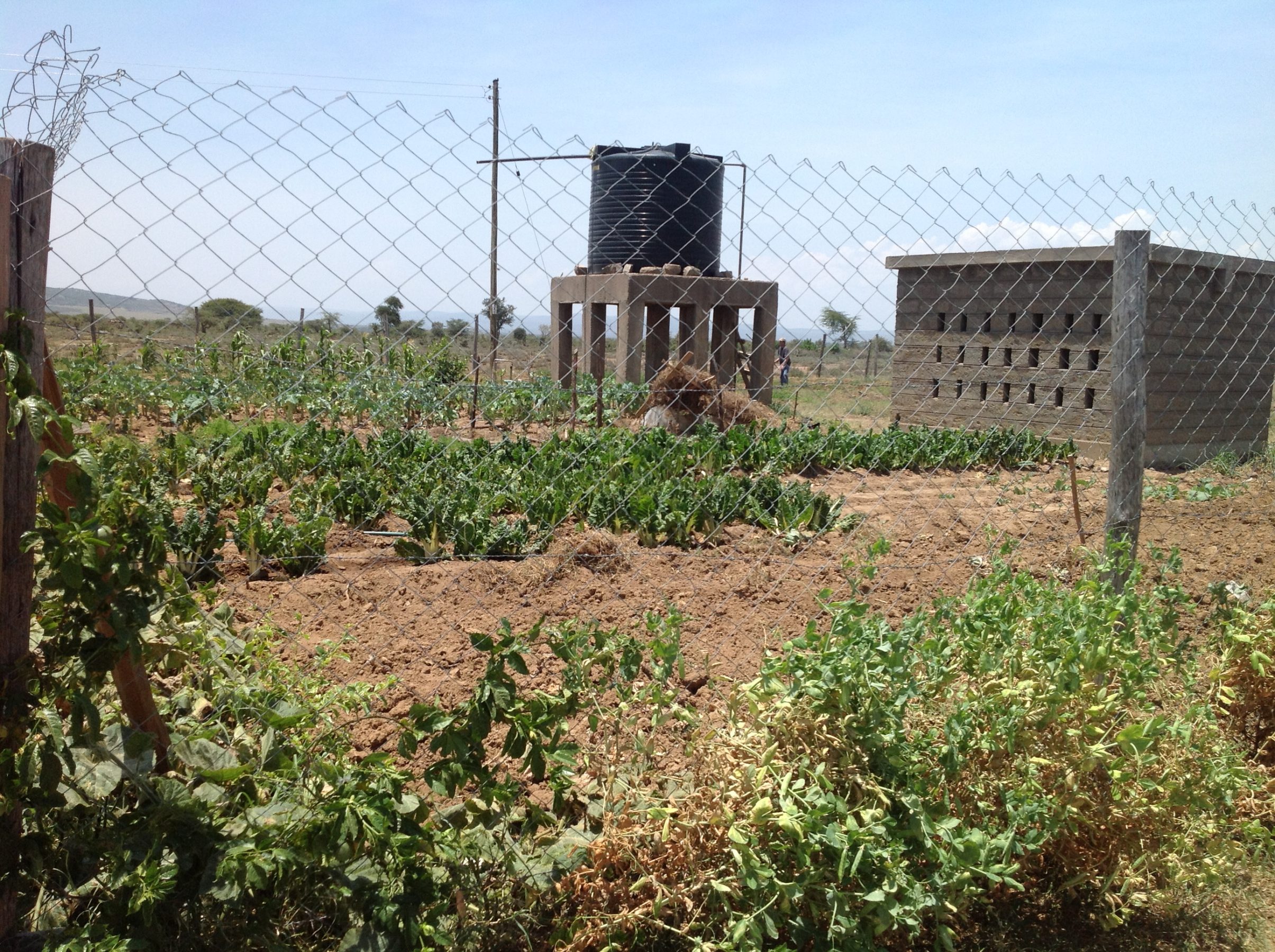
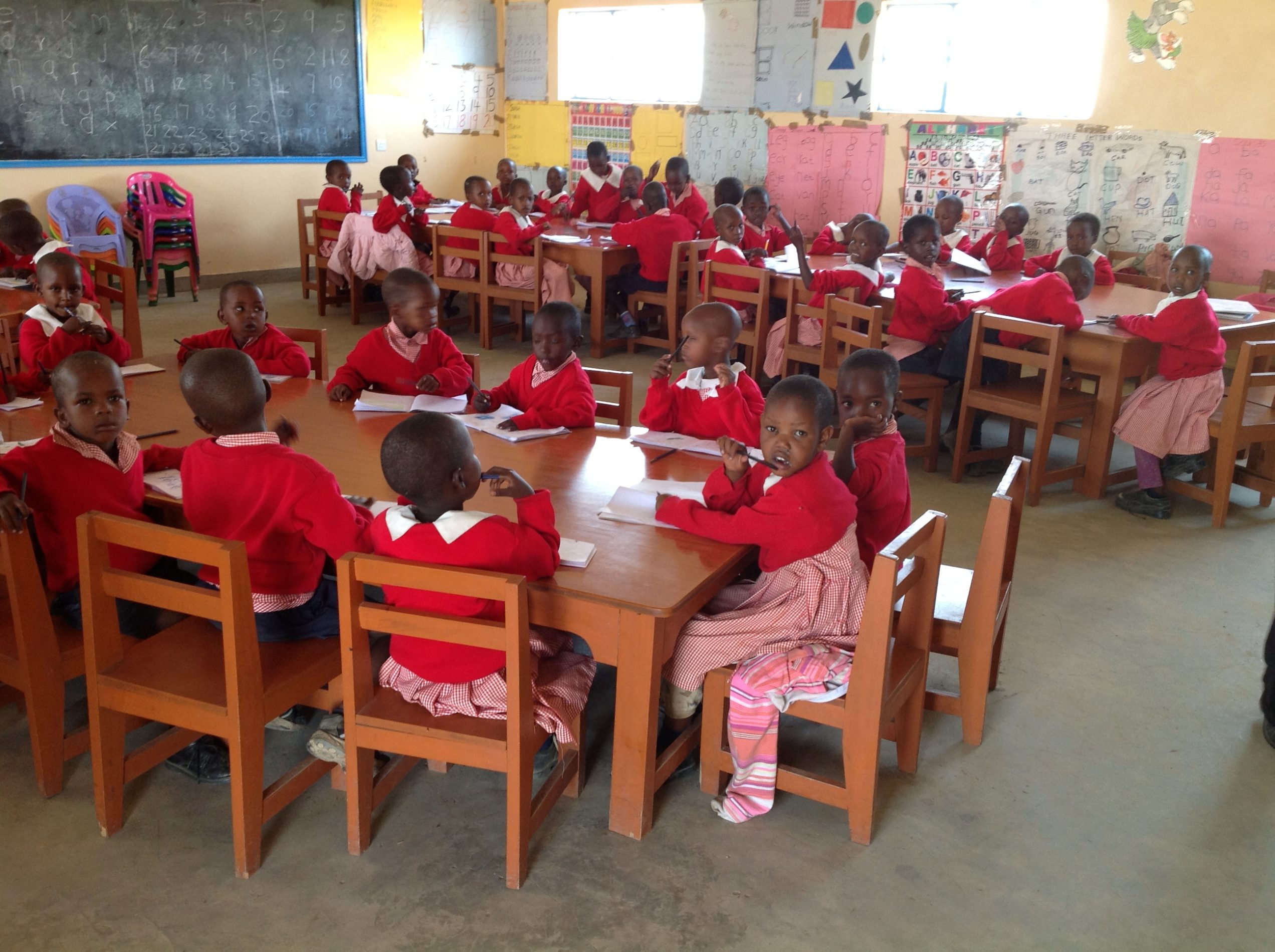
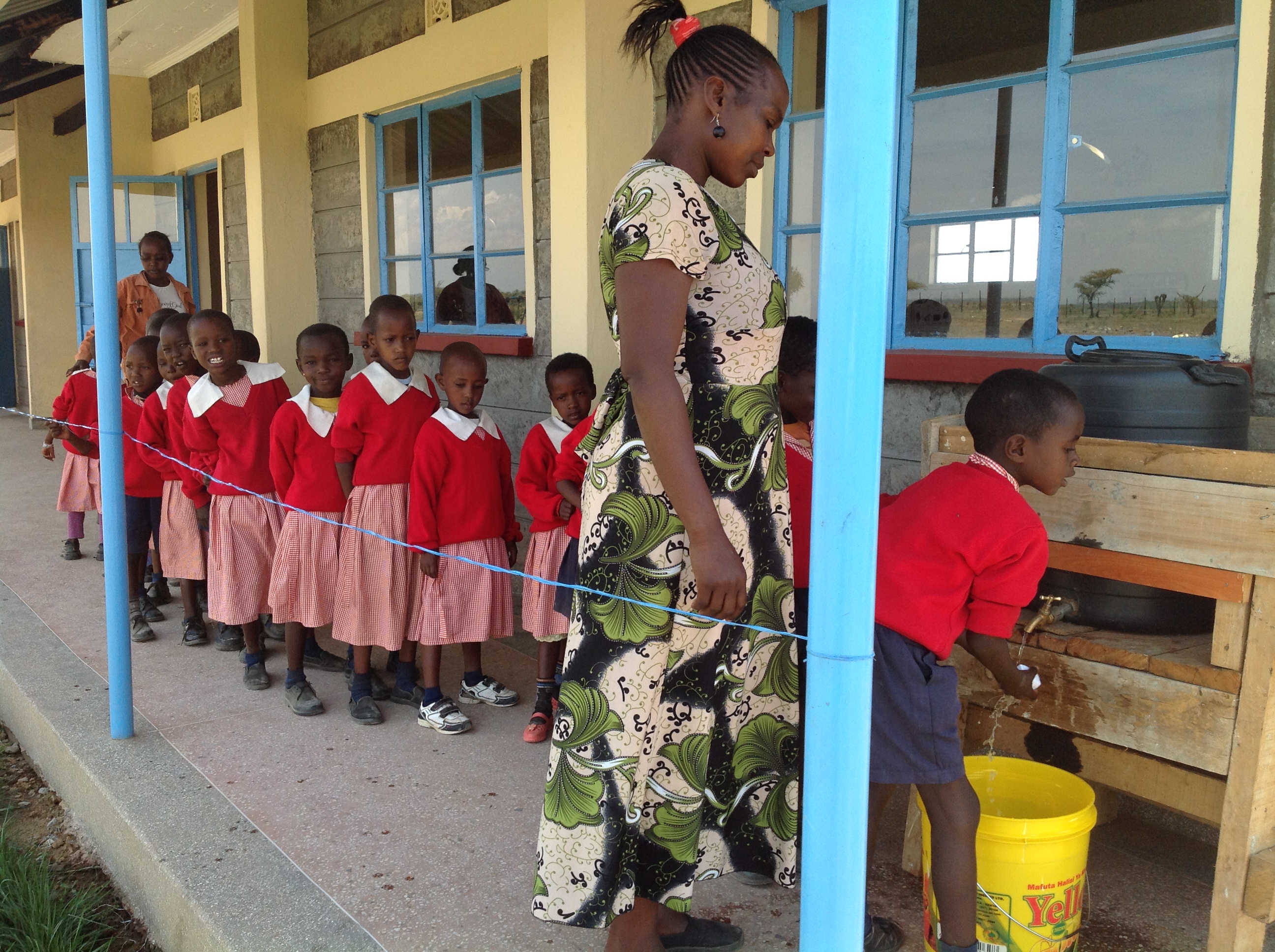
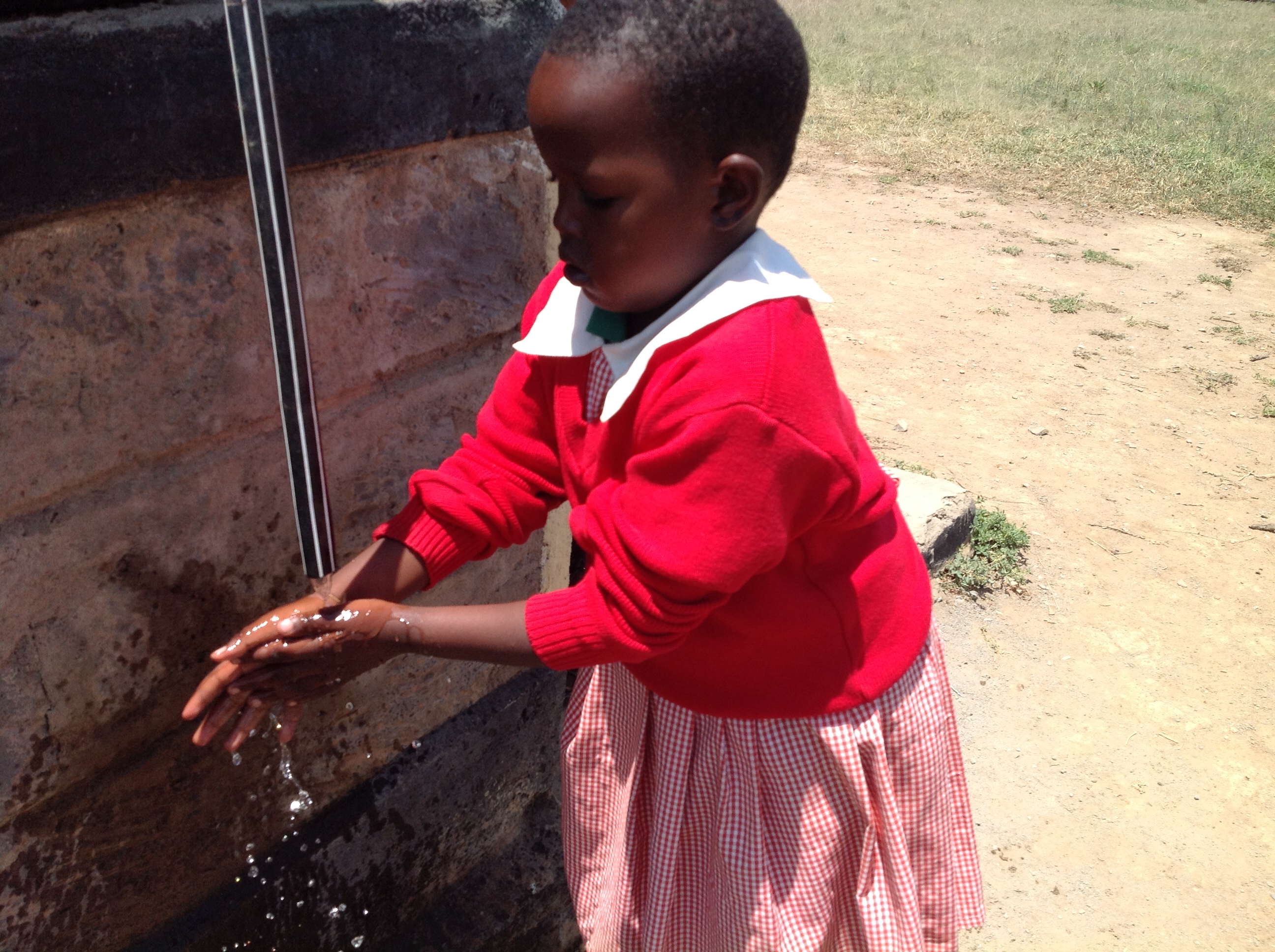
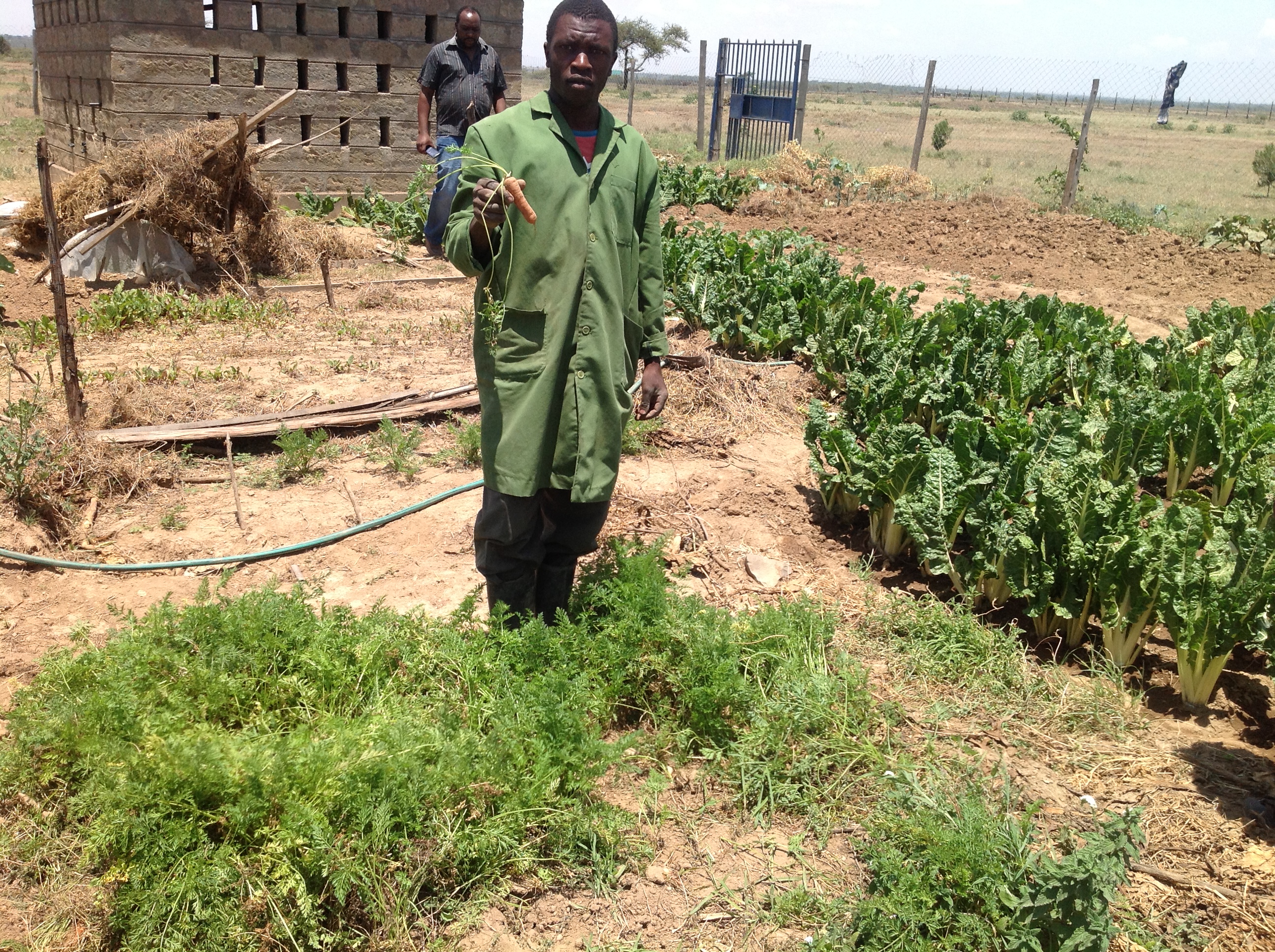
It is incredible to see the impact that one borehole can have on an entire village! Our donors truly are making a difference in the lives of others. Thank you! To learn more about Operation Eyesight’s trachoma projects in Narok, visit our website.
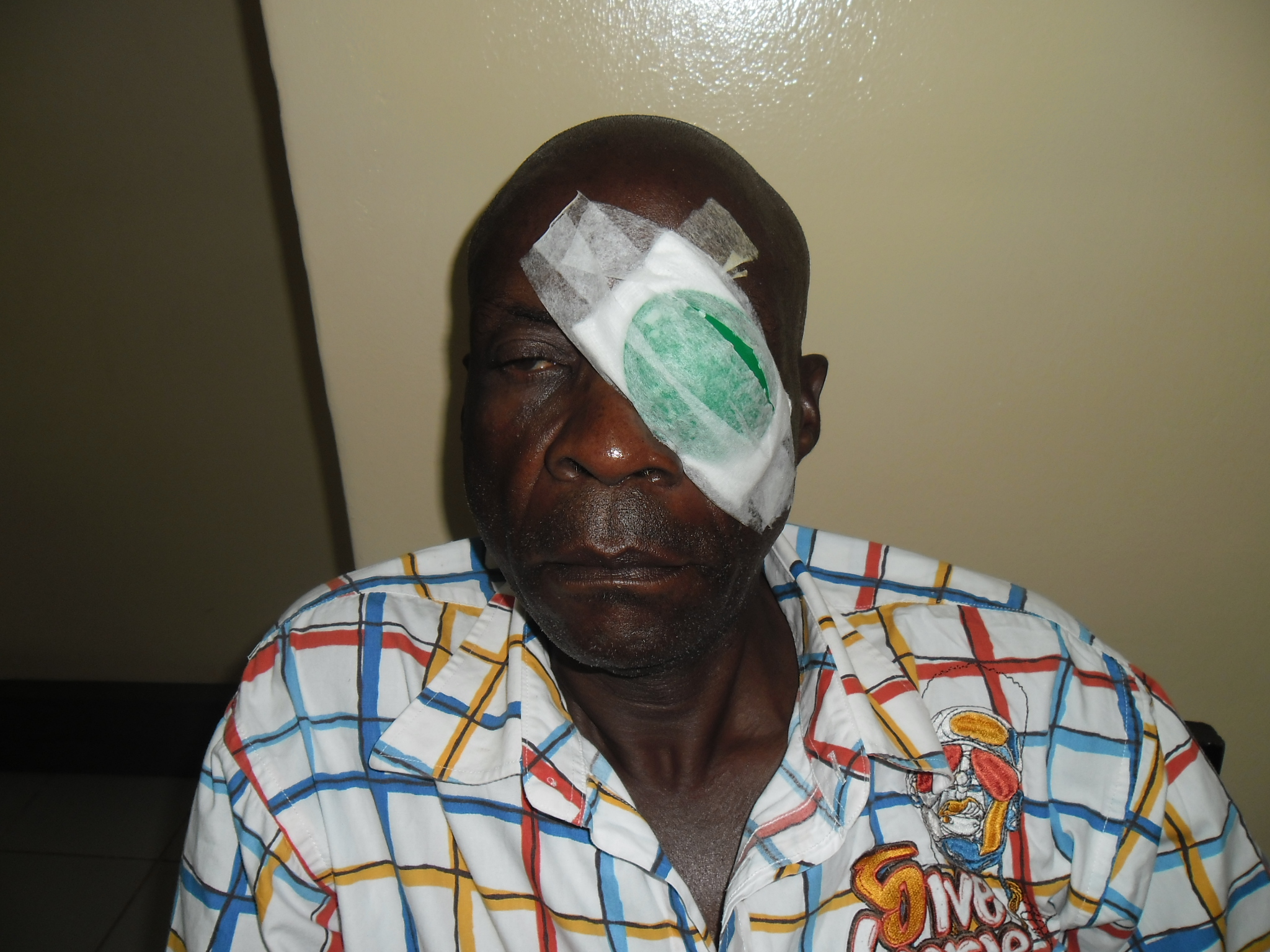
“It was hell” is how Thomas Chakalela describes his life after losing his vision to cataracts.
It was bad enough when complications from diabetes resulted in the amputation of his left leg. But things got worse for the Zambian farmer when, shortly after the amputation, he gradually lost his vision. He was forced to retire from the farm he’d worked for ten years and unable to perform even the simplest of daily activities.
To Thomas, his future seemed blank. His wife could not do anything other than help care for him, and his blindness affected his work, his business and his family. He thought he would never see again.
Because of Operation Eyesight’s generous donors, that did not prove to be the case! When attending Chongwe District Hospital for physiotherapy, a nurse there diagnosed his cataracts and referred him to the University Teaching Hospital (UTH) eye clinic, located in Zambia’s capital Lusaka, about 64 kilometres away from Thomas’ home. The hospital has been a valued Operation Eyesight partner since 2004.
Now Thomas has had both his cataracts removed, and his life no longer seems so bleak. “I feel like I was born today!” he told our staff. Now Thomas has his independence back, is again running his farm, and also helps pay for local orphans to attend school.
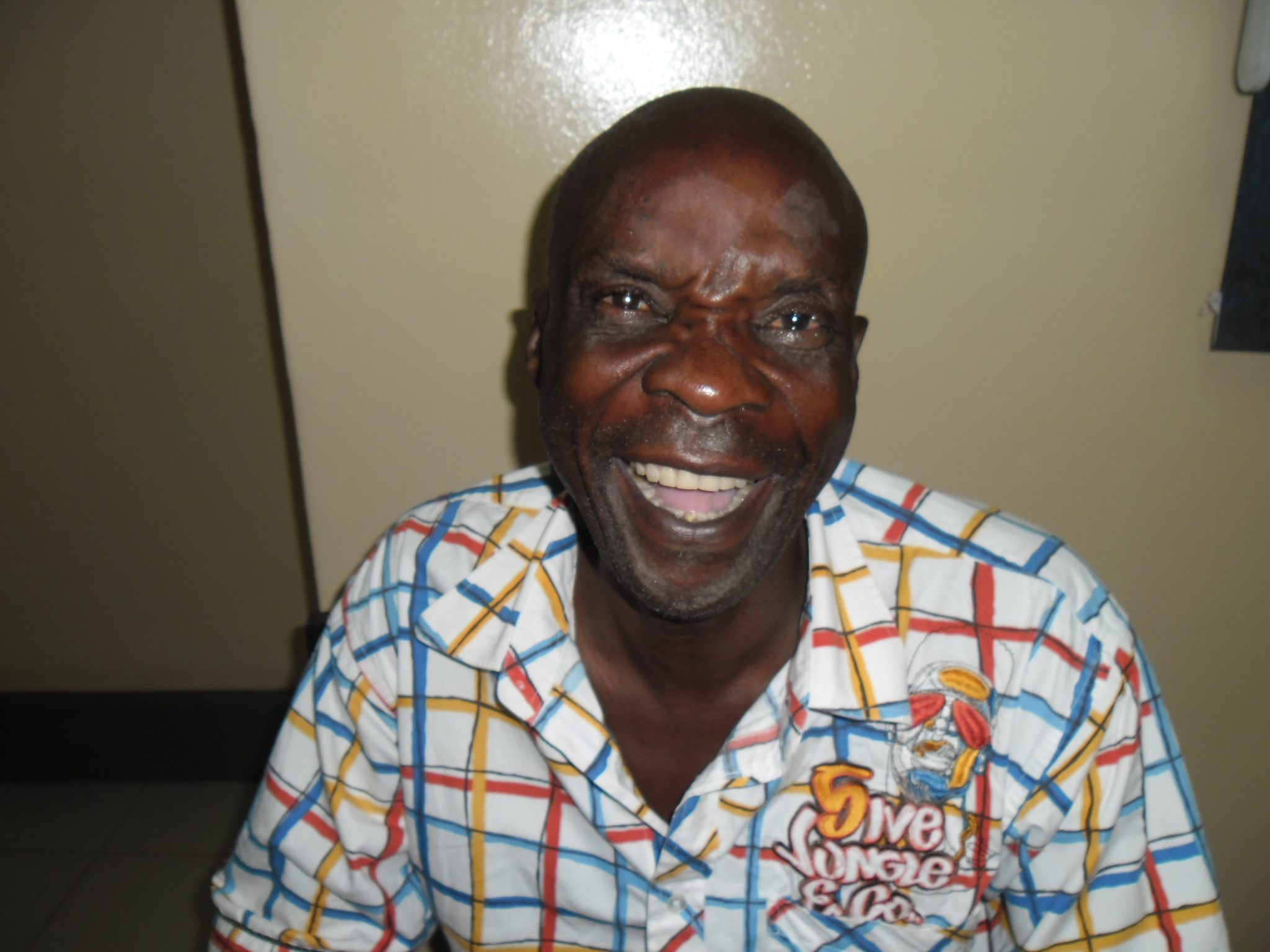
For the staff at UTH, Thomas has high praise. “They did a tremendous job. The doctor is marvelous.” And to the Canadians and other donors who made his surgery possible? “I am grateful,” he says. “Please keep supporting people like me. May the good Lord add more years to your life so that you may live longer to see the many people you are helping!”
Although many people without diabetes get cataracts, it’s estimated that people with diabetes are 60 percent more likely to develop them. People with diabetes are also most likely to get cataracts at a younger age, and have them progress faster. The cause for this isn’t yet known, but regular eye exams are the best way to diagnose cataracts and other problems. Be sure to get your eyes tested regularly!
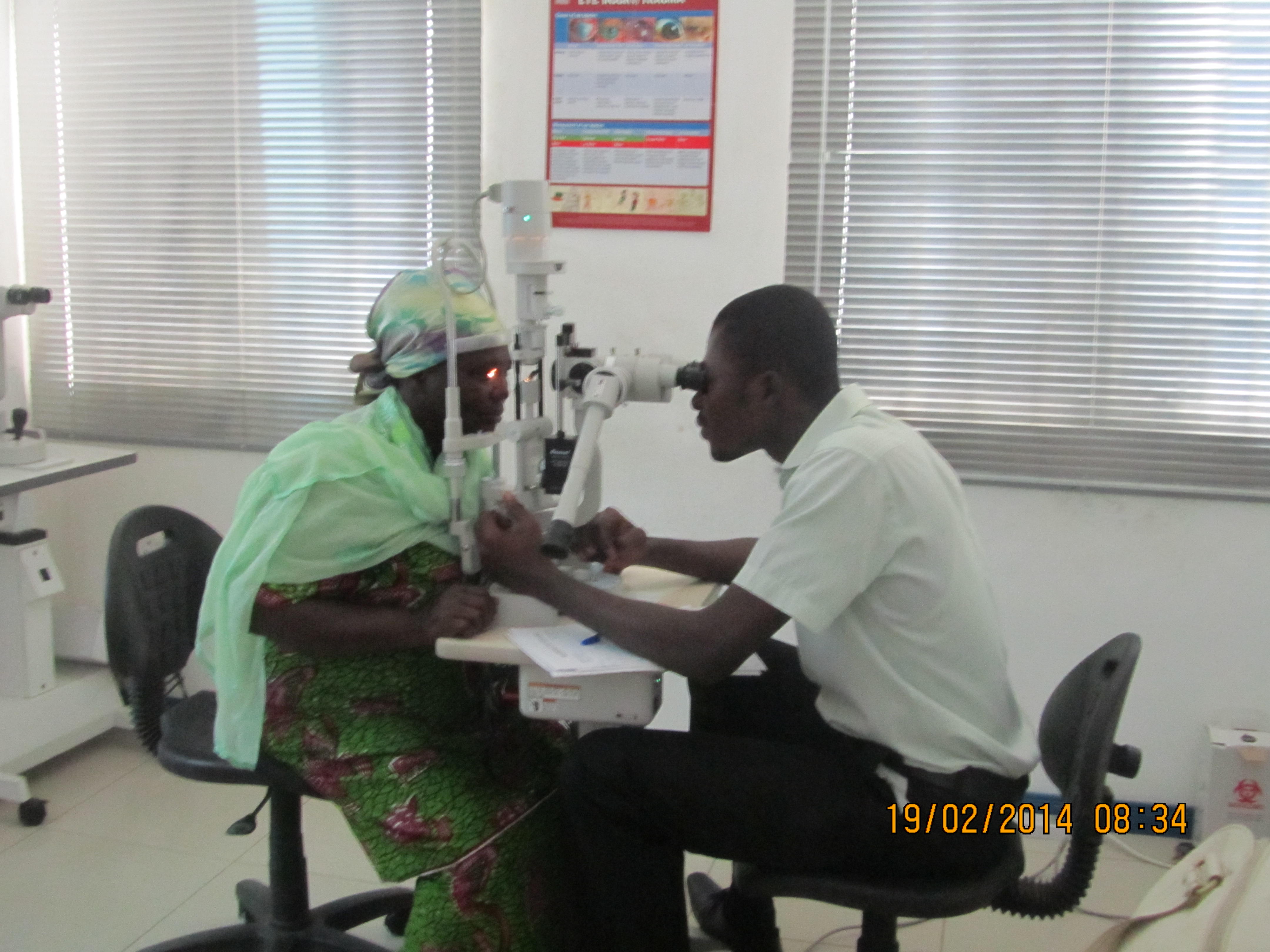
“If you don't know where you are going, you'll end up someplace else,” said American baseball player Yogi Berra – a man as famous for his confusing quips as for his sports abilities.
However, that statement might also represent the damage that lack of awareness can cause – and indeed, has caused! – in preventing blindness. If you don’t know what eye care options are available, how can you help yourself?
Take Asana for example. Asana, 57, lives with her husband Issah and their children in the town of Kasoa in Ghana’s Central region. Asana and Issah are comfortably middle class, enjoying an income from their rental properties. Issah is retired from his career as a carpenter, while Asana operates a provision shop (what Canadians would call a convenience store).
There was one big problem: Asana’s left eye suffered an accident a few years ago, when she was hit in the face by a hanging waist belt. Within a year, she started experiencing vision problems as a cataract formed in that eye due to the trauma. However, as long as she could see with her right eye, she managed to cope.
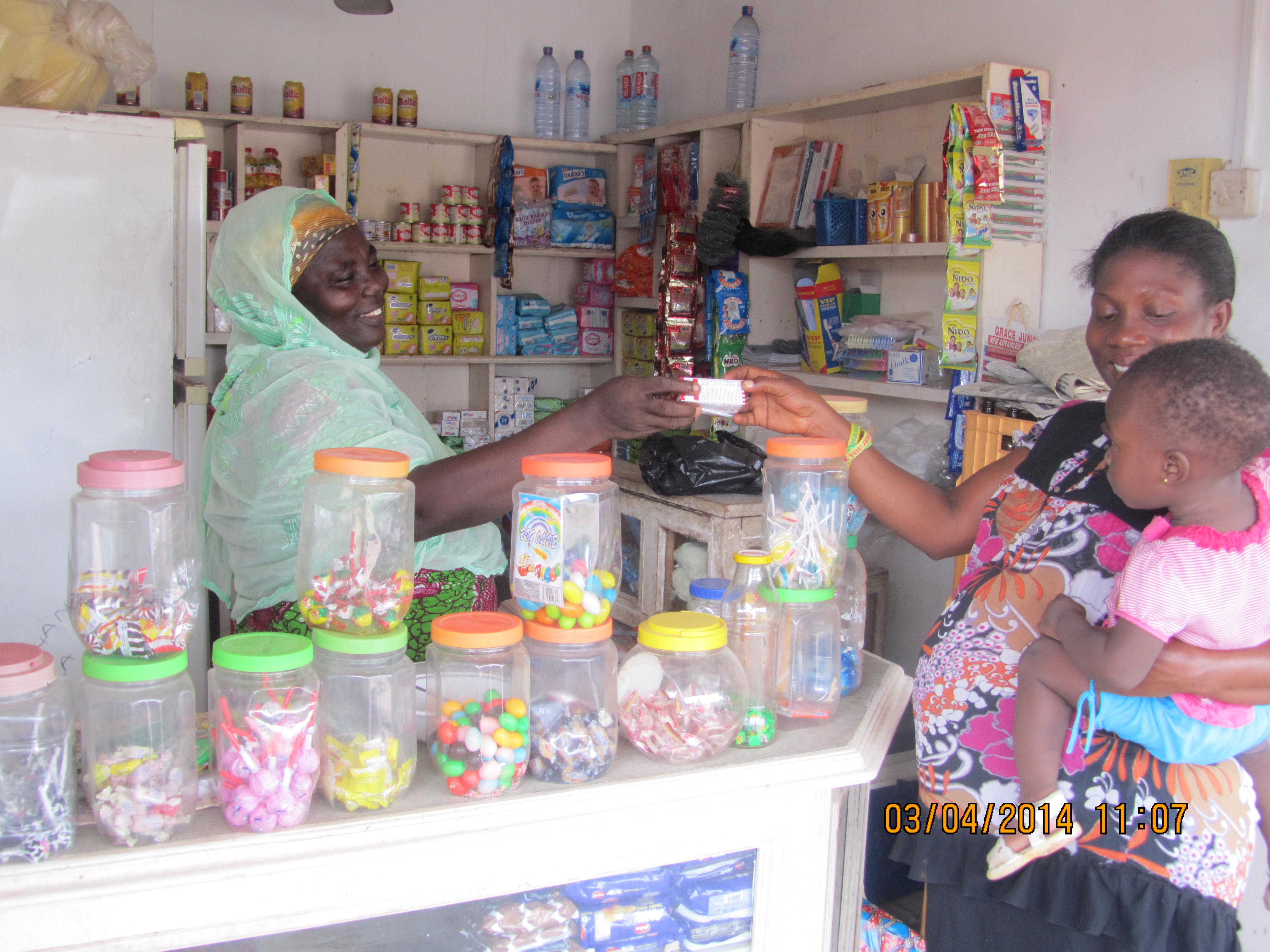
Then, to her dismay, she started to experience blurriness and loss of vision in her right eye too. Her vision became poor – so poor that she was forced to ask one of her daughters to manage her shop.
Asana became very alarmed. She and Issah visited a hospital in the Accra district, where she was diagnosed with bilateral cataracts. However, as is common in Ghana, the hospital didn’t have an ophthalmologist or cataract surgeon, or equipment to perform eye surgery. Asana was referred to another hospital some distance away.
Tired and discouraged, Asana and Issah were on the way home, when suddenly Issah saw a signpost for Watborg Eye Services. They decided to stop there before making the journey to the other, more distant hospital.
Issah and Asana didn’t know it at the time, but they had made a very good decision. Built in 2012 by Operation Eyesight’s generous donors, Watborg Eye Services is a high quality surgical eye hospital that serves about one million residents in the region.
At Watborg, optometrist Rasheed Quainoo discovered Asana could only count fingers held in front of her at a half-meter length (less than 20 inches). He diagnosed her with cataracts in both eyes, and recommended surgery. He told Asana and Issah that like all Operation Eyesight’s hospital partners, Watborg’s services are free for those who are unable to pay, and cost-recovery for those who can afford it. Recognizing their own relative wealth, the couple paid the fee for surgery.
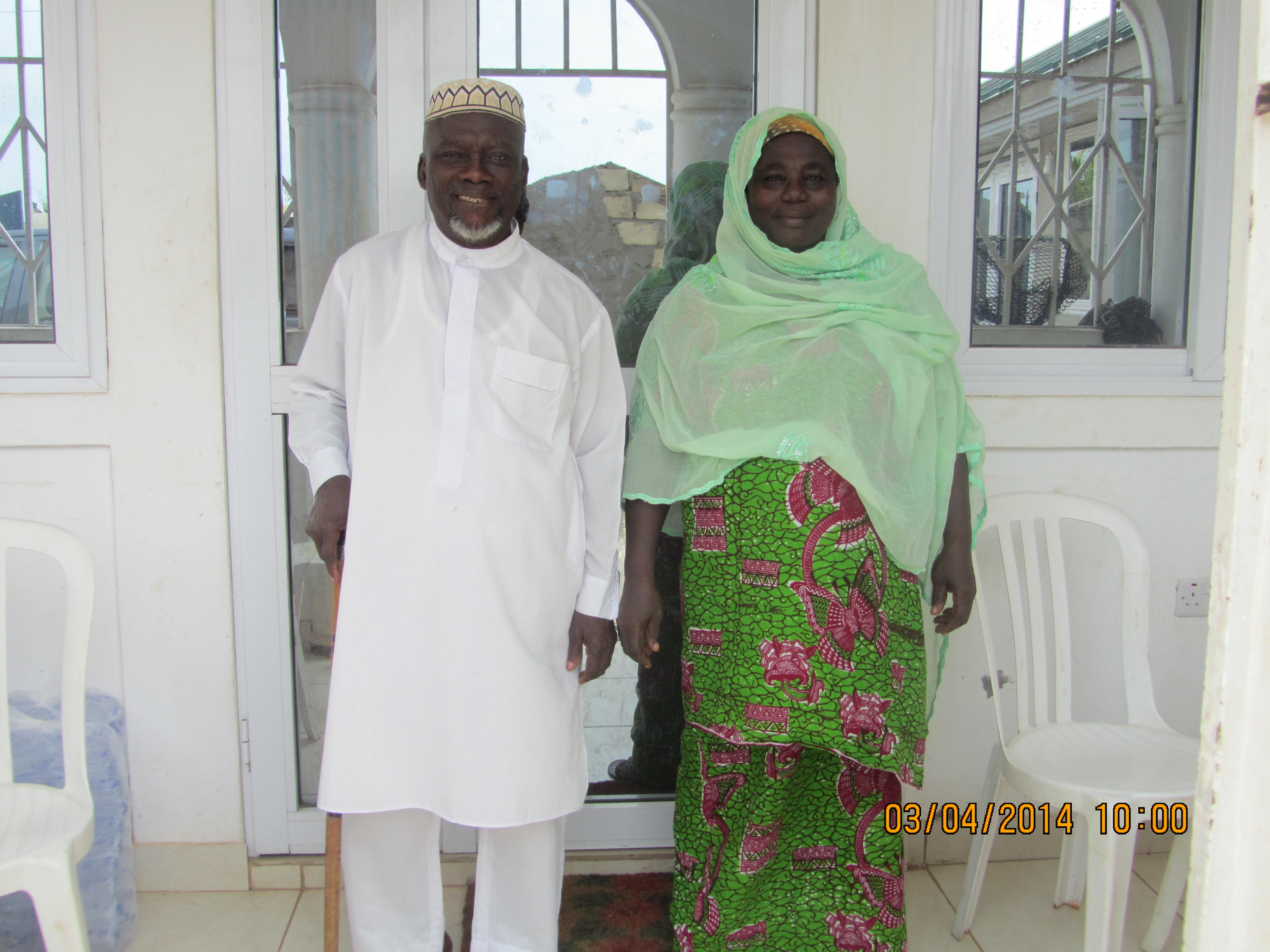
Good news! After surgery on both eyes, Asana’s vision returned to an excellent state. With her sight restored, she is now back managing her shop and selling to her community as before. She has recommended Watborg to friends and family, some of whom have started accessing these local eye health services.
Asana and Issah are grateful for Operation Eyesight’s donors who built Watborg Eye Services in their region, and delighted that they discovered this quality eye hospital, literally on the side of the road. Their experience might echo another wisecrack from Yogi Berra, “When you come to a fork in the road, take it.”
Read more about our work at Watborg here.
Ever had a time in your life when you consistently told yourself you couldn’t do something? That negative inner voice might lead you to becoming chronically depressed, and the doubt you are feeling may become reality for you.
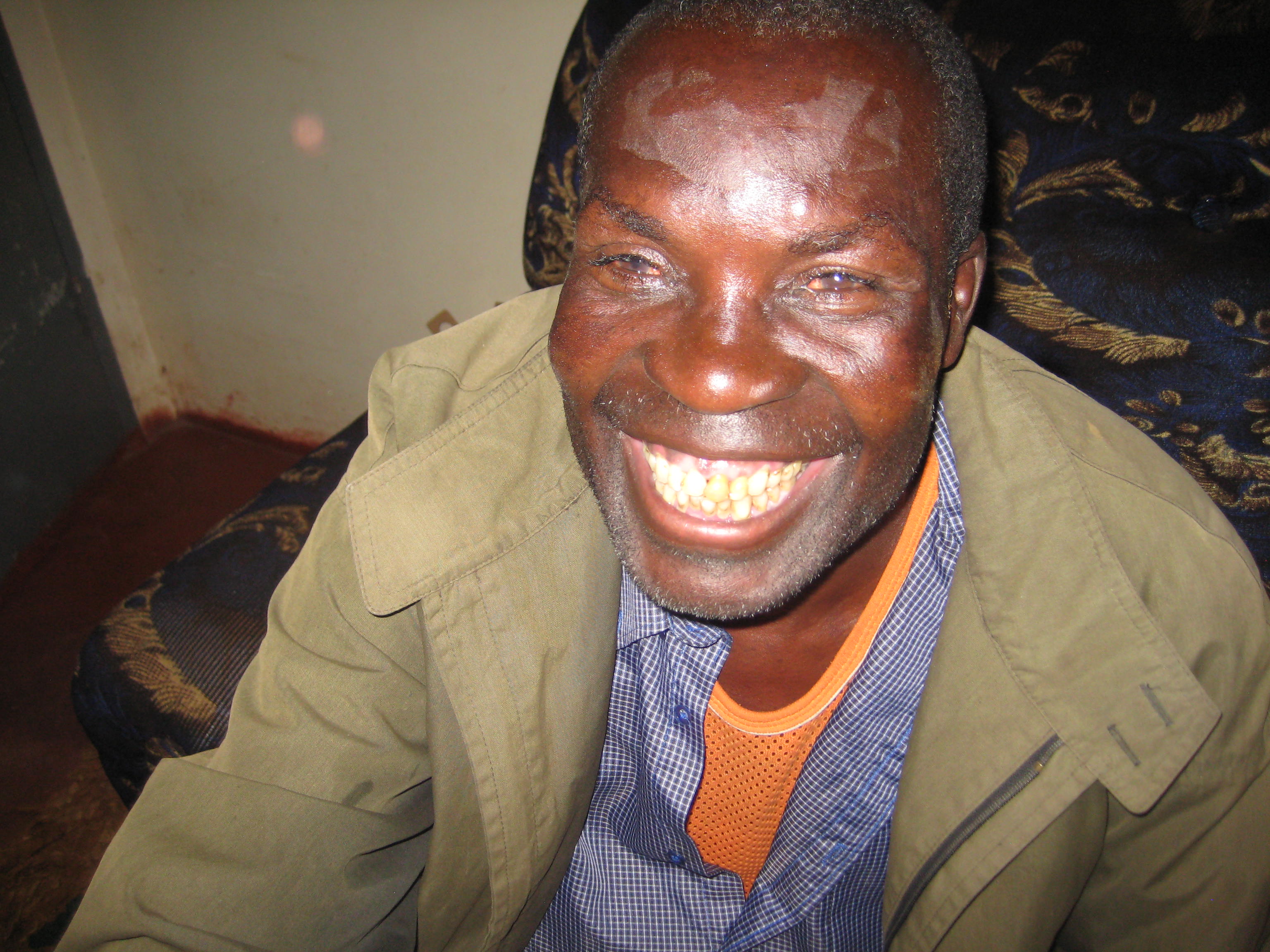
Just ask Basson Mingishi, a 58-year old subsistence farmer who lives in Zambia with his wife and school-aged children.
Basson and his family dwell in a grass thatched hut in the town of Mwinilunga, where he has lived his entire life. Unfortunately, he gradually became blind a few years ago. As his vision failed, he became depressed – so depressed that he felt he didn’t want to live any more.
Blindness was a huge burden to him and his family. “Losing sight is the most painful thing I have ever experienced,” he told one of our staff. “A blind man is incomplete if he cannot see his family and cannot fend for them.” Too proud to beg, Basson sat alone in his hut, unable to work, refusing to eat or drink. Depression was a part of his daily routine.
Then one day, that routine changed. His wife talked to a community member who had his sight resorted at Mukinge Mission Hospital in Kasempa, Zambia. She convinced the dubious Basson to make the trip to the Operation Eyesight partner hospital, 450 km away.
There, Basson was diagnosed with cataracts, and surgeries were performed on both eyes free of cost to him. When the bandages came off, he could see again! Imagine his joy and his relief!
“I am very, very happy indeed. Thank you very much. God bless you. God increase your years on earth. You shall stay well and your children will also,” he elatedly told our staff.
Not only was Basson happy and relieved, he declared his intention to go back to Mwinilunga and convince others to have their eyes checked at the hospital. “Now I will be the ambassador for eye services,” he said with a smile. “Thank you!”
Learn more about Operation Eyesight’s work in Zambia and other countries by visiting our website!
When Dean Loewen puts his mind to something, he tends to make it happen. So we weren’t surprised to see to his team’s fundraising total climbing toward the $15,000 goal in the weeks before their Run for “Well”ness in June. (Read more about their story here.)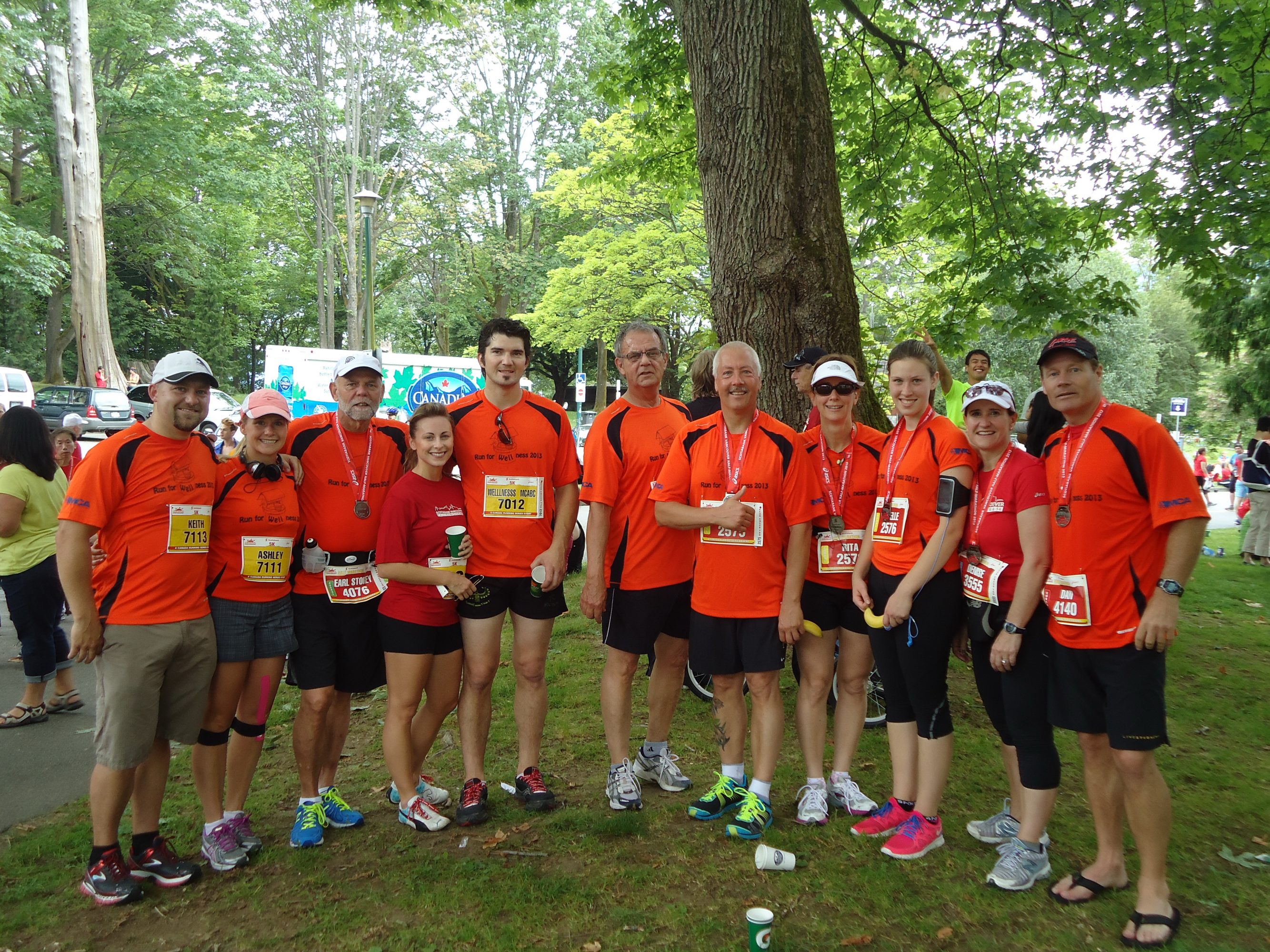 Dean and his team of 17 runners all pitched in to fundraise. “The key was reaching out to both business and personal connections,” explains Dean. “And you just never know where the donations will come from!”
Case in point: the day after the June 23 run, Dean got a Facebook message from a woman who wanted to chat and make a donation. It wasn’t someone he knew, so he thought it might be a ruse. Nonetheless, they connected by phone and he found out she was the aunt of one of his teammates. After traveling to Africa years before, she understood the need for clean water, but had never found the right organization to support. To Dean’s surprise and delight, she donated $5,000!
“We’re still in shock,” laughs Dean. “That put us over our goal and now we’d really like to get to $20,000.”
He credits their success to his great team and Rivka Lipsey, the director of Communications and Marketing for the Mechanical Contractors Association of British Columbia (MCABC), who was “the heart, soul and backbone. She kept us all in line!”
And the best part of all... Dean and the MCABC team have fundraised enough to drill four wells in Zambia! On behalf of the children, women and men who will have clean water and a brighter future, thank you:
Dean and his team of 17 runners all pitched in to fundraise. “The key was reaching out to both business and personal connections,” explains Dean. “And you just never know where the donations will come from!”
Case in point: the day after the June 23 run, Dean got a Facebook message from a woman who wanted to chat and make a donation. It wasn’t someone he knew, so he thought it might be a ruse. Nonetheless, they connected by phone and he found out she was the aunt of one of his teammates. After traveling to Africa years before, she understood the need for clean water, but had never found the right organization to support. To Dean’s surprise and delight, she donated $5,000!
“We’re still in shock,” laughs Dean. “That put us over our goal and now we’d really like to get to $20,000.”
He credits their success to his great team and Rivka Lipsey, the director of Communications and Marketing for the Mechanical Contractors Association of British Columbia (MCABC), who was “the heart, soul and backbone. She kept us all in line!”
And the best part of all... Dean and the MCABC team have fundraised enough to drill four wells in Zambia! On behalf of the children, women and men who will have clean water and a brighter future, thank you:
|
|
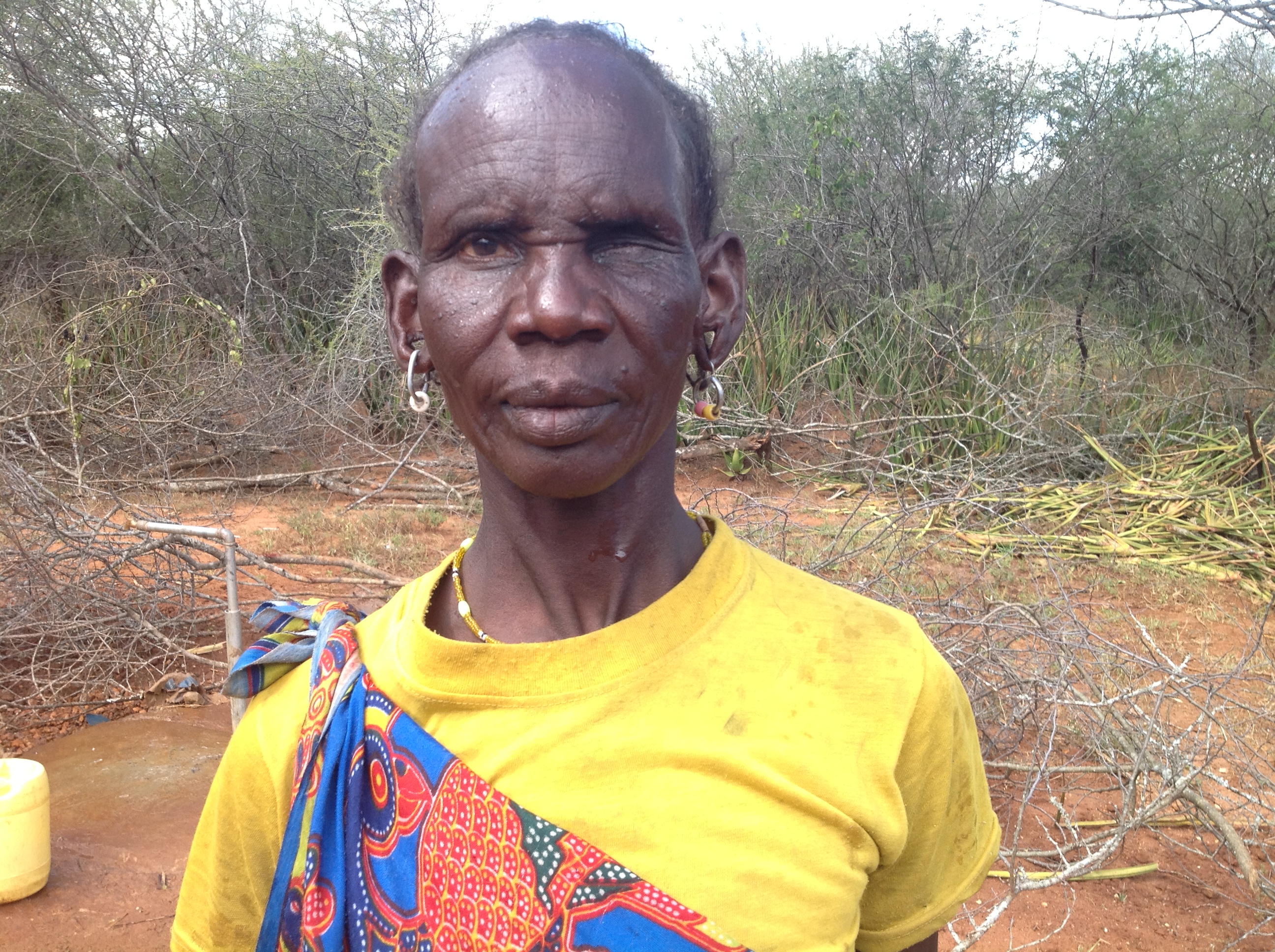
Special thanks to our Assistant Director of Africa, Alice Mwangi, for sharing Ann’s story with us!
Ann Adoyole is 70 years old, and lives in a village in West Pokot County in Kenya. She has two sons and several grandchildren. Since she came to live in this village after her marriage many years ago, she made the trek on a daily basis to fetch water from the Suam River, several kilometers from where she lives.
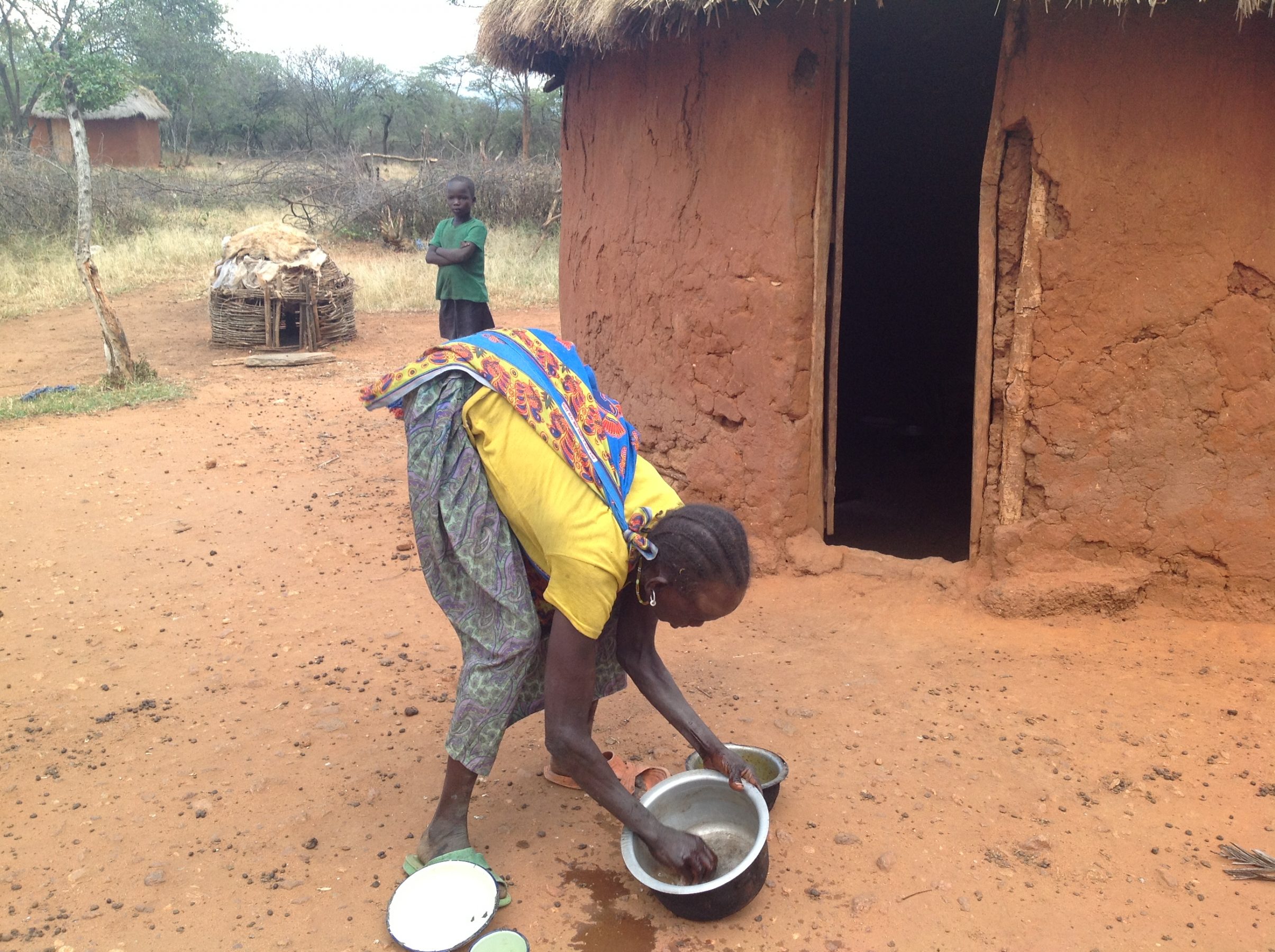
When it rains, the water gets muddy and dirty – yet Ann and other community members still had to fetch it because there was no other source of water. One rainy season, the villagers found a dead body floating down the stream towards their community, but this did not deter them from collecting the water. What else could they drink?
Whenever the water became extremely dirty, the villagers filtered it using locally-available materials, and purified the water by squeezing juice from sisal leaves, mixing it with the water and leaving it overnight. Ann knew the process didn’t really clean the water because of the reoccurring diarrhea and other stomach ailments from which the villagers suffered.
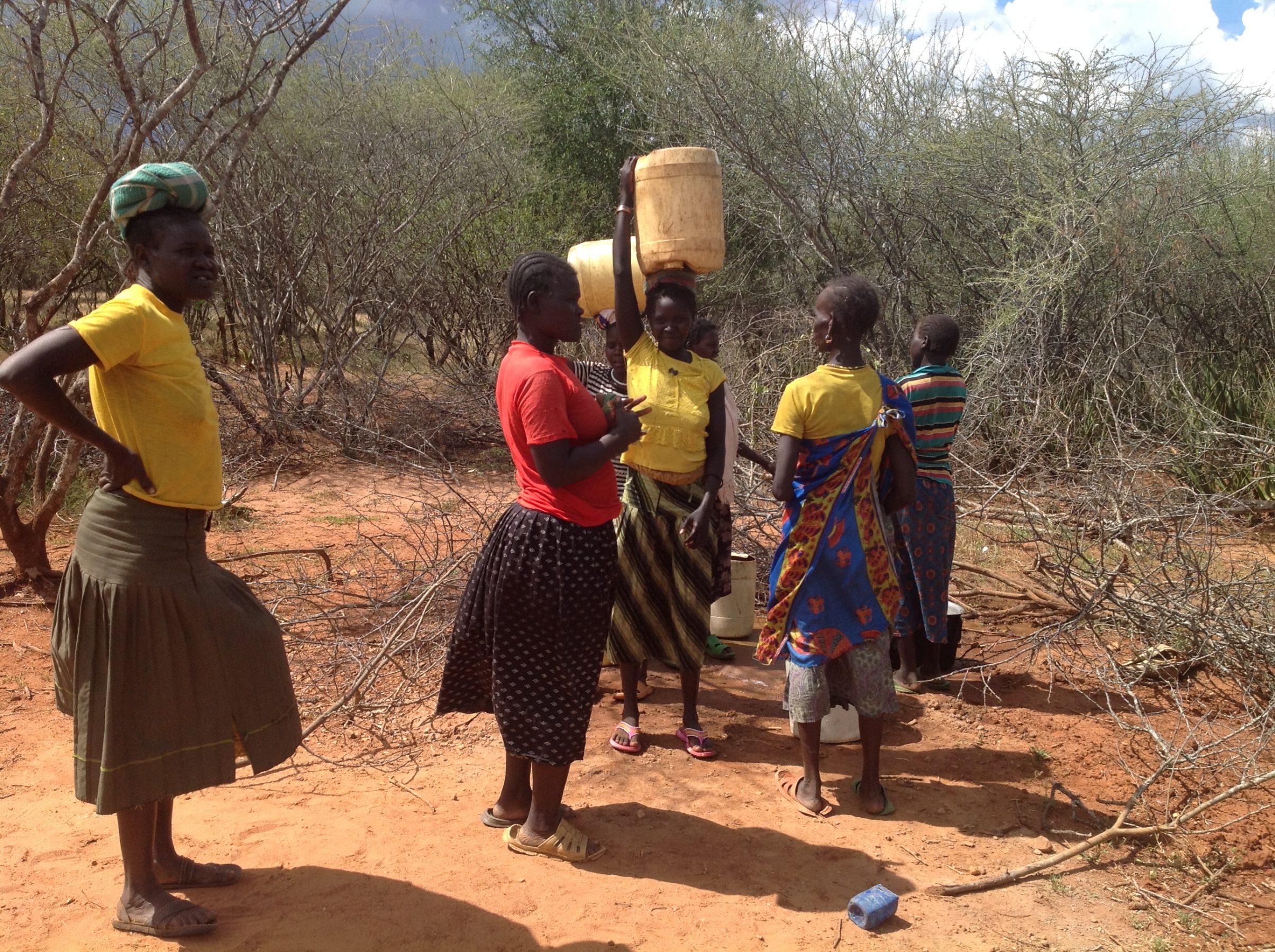
Given the long distance to the river, Ann and the other women could make only two trips each day for water, fetching 20 liters in a plastic jerrican each trip. Over the years, she developed chronic back pain, which she believes is a result of carrying the heavy jerricans for long distances. In constant pain, she still had to manage the daily trek for water. There was no other option…
Like over 30 percent of Kenya’s population living in trachoma endemic districts, many Pokot people suffer from this terrible eye condition. Transmitted by flies and made worse by both cultural and environmental factors, trachoma infects the eyes and scars the eyelids. Left untreated, trachoma leads to blindness. What is Operation Eyesight doing to help people like Ann? Come back next week to learn more.
