


At first, a trachoma infection looks a bit like a case of pink eye: red, irritated eyes, maybe some swelling and discharge1. But for many people in the world, a trachoma infection is a serious concern. If left untreated, it can lead to severe pain, vision loss and even blindness. The bacteria that cause trachoma spread through direct personal contact, through shared towels and clothing, and through flies that have been in contact with an infected person. And there’s a simple solution for reducing its spread…
Clean water.
When communities have access to abundant clean water, they can wash their hands and faces regularly, do laundry more often, and prevent the otherwise relentless transmission of the disease. That’s why we are working hard with communities and partner organizations to make sure that the people in our project areas have access to a local, sustainable clean water source.

There’s been a lot of good news in the eradication of trachoma in recent years. In 2023 alone, Benin, Iraq and Mali each received certification from the World Health Organization (WHO) for eliminating trachoma as a public health problem. Also, the number of people at risk of getting the infection fell from 125 million in 2022 to 115.7 million in 2023, a significant reduction.2
But the hard work must go on.

Ethiopia has some of the highest rates of trachoma worldwide, with the prevalence in the Amhara Region estimated to be nearly 63 per cent. In that country, trachoma is the second leading cause of blindness overall.3
Trachoma continues to infect people in 42 countries and has caused blindness or visual impairment in roughly 1.9 million people. It remains the leading infectious cause of blindness worldwide. And the effect on the workforce in these countries is huge. According to a recent paper by the WHO, the loss of productivity due to trachoma costs somewhere between US $3-8 billion each year.4
To people like Stephen, in Narok County, Kenya, having trachoma meant not being able to support his family. The father of four, who works as a motorcycle courier, struggled with the infection for years. He tried eye drops, eyeglasses and several surgeries before the trichiasis in his right eye, caused by repeat trachoma infections, was fully resolved.
Since undergoing a successful final surgery at one of our partner hospitals, the young man now acts as an eye health ambassador in his community, making sure people know what the infection is, the role of hygiene in stopping its spread, and how to get it treated.
Years of repeat infection from trachoma causes scarring to the eyelid. This scarring can be so severe that the eyelid turns inward, causing the eyelashes to rub against the eyeball. This leads to severe pain, light intolerance and scarring of the cornea.
If left untreated, the damage to the cornea can cause vision impairment, usually between the ages of 30 to 40 years5, although it can happen in children as well. Trachoma causes 1.4 per cent of blindness globally.6
Women become blind from trachoma four times as often as men. This is likely due to frequent infections they get while caring for small children, who often pass trachoma on to others.
At Operation Eyesight, we follow the WHO’s SAFE strategy for controlling and preventing trachoma. SAFE stands for:
S: Surgery to treat trichiasis (the painful late stage of the disease)
A: Antibiotics to eliminate infection
F: Face washing and hygiene education
E: Environmental improvement including wells and latrines

The foundation for the strategy is environmental improvement, namely – providing access to clean water. Over the decades, we’ve worked with communities to rehabilitate and drill hundreds of boreholes. In recent years, most of our work with water has been concentrated in Zambia and Kenya, but we are also getting involved in more water projects in Ethiopia as we expand our programs there.
Along with drilling and rehabilitation, we work with local governments to make sure people can fix the boreholes when they break down. In Zambia, that means financing the training of volunteers called Area Pump Minders (APMs) to do routine maintenance and repair of boreholes. The program helps ensure that there is a system for repair work, with locally-available toolkits and spare parts, and that monitoring of the water supply is happening at the village level. In addition to helping their communities, some of the APMs go on to find paid work repairing privately-owned boreholes. Over the last two years, we’ve seen several women join the traditionally all-male teams, and we hope to recruit more in future.

The community involvement doesn’t stop there. We also work with volunteers to form WASH committees who help educate other people, especially children, in Water, Sanitation and Hygiene. In Ethiopia, we are working with partners to train teachers in WASH so they can pass on their knowledge to thousands of students. Our work in Ethiopia has also involved fixing up latrines and providing menstrual supplies, both of which can help keep teenaged girls in school longer.
Antibiotics also go a long way to preventing and treating existing cases of trachoma. We work with local governments and partner organizations to provide these antibiotics to areas with high prevalence of trachoma. Earlier this year, we collaborated with partners in a Mass Drug Administration project in Kenya’s Narok County. Despite wet road conditions that made it challenging for crews to access all the communities, the project managed to administer the antibiotic azithromycin to more than 215,000 people!
Throughout the process, our trained community health volunteers work tirelessly to provide education on the importance of facial cleanliness and environmental improvements in stopping the spread of trachoma.
Finally, with help from our generous donors, our partner hospitals can offer surgeries free of charge to people with advanced stages of trichiasis to alleviate the pain and prevent further loss of sight.
We’re involved in clean water projects as a means of preventing trachoma, but the effects of providing clean water to communities are countless. The installation and maintenance of boreholes prevents dozens of waterborne diseases that sicken and threaten the lives of many, and that keep whole communities trapped in the cycle of poverty. Sustainable boreholes help people grow gardens full of fresh vegetables, allow them to raise livestock and improve the quality of life for everyone around them.
The effects of access to clean water are especially beneficial to women and girls. Here’s why:
Education and economic opportunities: In many communities, women and girls are responsible for fetching water, a task that can be extremely time consuming and physically demanding. This can prevent girls from attending school and women from pursuing income-generating activities. When clean water is locally available, girls are more likely to complete their schooling, and women have more time for activities that empower them economically.

Reduced gender-based violence: Providing access to clean water within communities reduces the need for women and girls to travel long distances for water, decreasing their vulnerability to the violence and harassment that they risk when collecting water.
Hygiene and menstrual health: Clean water is essential for maintaining proper hygiene, including menstrual sanitation. When women have access to clean water and sanitation facilities, it positively affects their overall health and dignity.
Community development: Women are often key contributors to the well-being of their communities. When they have access to clean water, they can actively take part in and lead initiatives that enhance the overall living conditions in their communities.
In 2023, we partnered on two new boreholes at schools in Ethiopia’s Amhara Region. In Zambia, we repaired 25 boreholes in the Mkushi District, trained 20 new Area Pump Minders and set up more WASH committees.
You can help us continue our water projects in 2024 by making a donation today. Thank you for your support!

Just three years ago, many would have thought backyard gardens were impossible in Zambia’s arid Sinazongwe district.
Today, when I visit the villages in and around the area, I see families growing their own food – corn, vegetables, even peanuts. I see the smiling, healthy faces of children on their way to and from school. I see well-fed goats, chickens, cows and other livestock. I see communities thriving.
It’s proof that bringing local access to clean water makes the impossible, possible.
Operation Eyesight began working in Sinazongwe in 2001.Over the last three years, in partnership with the Zambia Department of Water Affairs, our focus has been rehabilitating defunct and dysfunctional water boreholes in the area, as well as drilling new ones. To date, we have drilled 106 boreholes and rehabilitated 96 more around Sinazongwe – bringing clean, fresh water to communities that previously lacked local water sources.
Why rehabilitate boreholes rather than just drill new ones? Unlike drilling a new water borehole which takes time to identify a location and install necessary infrastructure, rehabilitation of previously drilled (by other NGOs) and non-functioning boreholes costs less and brings many quick wins for communities. Therefore, borehole rehabilitation makes the best use of every dollar spent.
Clean water and avoidable blindness
Operation Eyesight’s mission is to prevent blindness and restore sight. In Sinazongwe, trachoma was one of the leading causes of preventable blindness. I use the past tense, because our partnership with local communities to improve access to clean water has reduced the prevalence of this devastating infection in the district.
Trachoma is a bacterial infection that leads to irreversible blindness if left untreated. Although trachoma can be treated with antibiotics if caught early enough, lack of access to fresh water and inadequate hygiene are significant contributors to this painful disease’s spread through villages and communities. So, in Sinazongwe, bringing access to fresh water is the most effective way to address preventable blindness at its root cause, as well as prevent the transmission of many other illnesses and diseases. When people have access to fresh water, they can wash their hands, faces and clothing and prevent the spread of infection.
I often explain to our donors and hospital partners that you can’t tell people to wash their face if they have no clean water. Our team works in these communities every day and we are now starting to see behavioural changes where people are washing their faces more frequently. We are therefore addressing the root cause – and not the effect – of the problem.
I have personally seen the shift that takes place when clean water comes into a community. It’s an impact that extends beyond eye health, hygiene and improved health outcomes generally.
Downstream benefits
Access to water targets a range of different issues, especially for those responsible for drawing water: women and children.
In my work with Zambian communities over the past four years, I have found that bringing water closer to home actually improves school attendance in the majority of schools and communities where we are working. In fact, in areas where Operation Eyesight is working, we are seeing more girls in school than boys. It’s actually giving girls a chance to get an education.
Why? Because they don’t have to walk long distances fetching water from water holes, rivers and streams. This labour-intensive process leaves them fatigued when the time comes to go to school later in the day.
When water is far away, families are unable to store enough for their household. They may have enough for cooking and drinking, but do not have enough for washing and cleaning. Additionally, depending on its source, water may not be safe to drink. On the other hand, when clean water points are closer to home, it means families have enough water in their household at any given time.

Getting the whole community involved
We know that community ownership and maintenance of a borehole ensures its longevity. I have seen first-hand that partnering with local community leaders to form Water, Sanitation and Hygiene (WASH) committees – comprised of both men and women – helps spread awareness in the community about how to use and maintain the borehole and ensures its longevity.
Experience has taught us that children can be our greatest teachers. School WASH clubs are also making waves in their communities, building healthy hygiene habits among students by encouraging them to wash their faces when they arrive at school. Health education sessions are also helping make children ambassadors for proper hygiene when they go back to their own families.
Replicating success
Part of what makes Operation Eyesight so unique is our philosophy of not only empowering communities to look after their own water sources, but also our ability to scale and spread these successes.
The benefits and quick wins that come with locally-available fresh water are not limited to Sinazongwe but can – and are – being replicated in other parts of the country and African continent. In 2021 we drilled five new boreholes and rehabilitated 51 more in communities in Zambia’s Central province and have similar projects underway in other parts of Kenya.
Our approach to empowering communities and amplifying impact is what makes Operation Eyesight so unique. We are targeting vision loss and preventable blindness at their root cause.
Replicating our approach, while taking into consideration the unique needs and strengths of our communities of work, we are bringing entire communities back to life, health and prosperity.
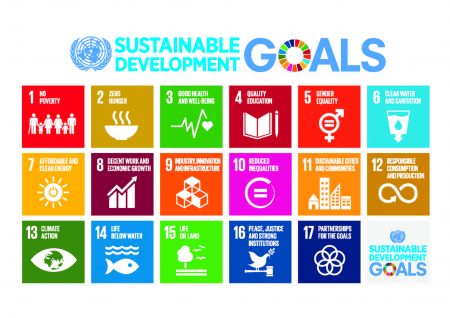
This year’s World Water Day theme is valuing water. On March 22, we celebrate World Water Day by recognizing that the value of water is much more than its price. Water is an integral part of our daily lives and impacts health, education, economics and our environment. Ensuring the availability and sustainable management of water and sanitation for all is listed by the United Nations as one of their 2030 Sustainable Development Goals. Clean water is also incredibly valuable in eye health.
Access to clean water is an important part of ending serious eye infections like trachoma, the world's leading cause of preventable blindness. Trachoma causes the eyelid to turn inward so that the eyelashes rub the eyeball. This results in intense pain, scarring of the cornea and ultimately, irreversible blindness. Although trachoma can be treated with medicine and, in more severe cases, surgery, the most effective way of reducing rates of this painful infection is to address one of the root causes, which is lack of adequate sanitation. With access to clean water, people can wash their hands, faces, clothing and homes and prevent the spread of trachoma. This improved sanitation also aids in the reduction of other serious illnesses such as diarrheal disease, upper-respiratory infections and other communicable diseases like COVID-19.

Operation Eyesight follows the World Health Organization-endorsed SAFE strategy for eliminating trachoma in areas of Kenya and Zambia. SAFE is a comprehensive treatment and prevention program that includes:
Properly implemented, the SAFE strategy permanently eliminates trachoma. One of the key factors for achieving this is drilling or rehabilitating boreholes. In recent years, we’ve shifted our focus from drilling new boreholes to rehabilitating existing, dysfunctional boreholes. The cost-savings employed by this method allow us to reach many more communities.

When a borehole is drilled or rehabilitated, we establish local Water, Sanitation and Hygiene (WASH) committees. These committees are trained on how to maintain the borehole and ensure its longevity. Properly maintained boreholes can provide clean water for decades. The WASH committees also provide community health education sessions to help people improve their sanitation habits. They incorporate messages on facial cleanliness and environmental improvements such as the proper building of latrines.
Clean water does so much more than prevent blindness. Families are able to grow more nutritious food and easily water their livestock when water is easily accessible. This leads to a reduced prevalence of illnesses resulting from poor nutrition. It also gives women and girls more opportunities. The task of hauling fresh water for long distances most commonly falls to women and girls. Depending on the area, the journey can also be dangerous, and the water from unprotected sources may not be safe. When clean water is easily accessible, women and girls have time to go to school, earn a living independently, and be actively involved in their families and communities.

Communities with a clean water source also become hubs of local trade and provide increased economic opportunities. New schools are often built near boreholes because of their central location and easy access to water. Existing schools are expanded on to accommodate for the increase in attendance resulting from more girls being able to participate in school now that they don’t have to walk far distances to fetch water. Read this story about how a borehole increased the attendance at Mweela School by 274 students.
This World Water Day, you can help bring the positive ripple effects of clean water to a community in need. Please donate today.
Tomorrow is World Water Day, and we’re overflowing with reasons to celebrate! Together, we’re saving sight and lives by providing clean water and eye health education to communities in Zambia!
Last year, a valued donor and friend to Operation Eyesight initiated a “Washing Away Blindness” campaign to bring fresh, clean water to communities in Zambia. Our Board Chair, Rob Ohlson, generously offered to match all donations made to the campaign in 2016.
Realizing the remarkable opportunity to double their donation and be part of a long-term solution to prevent blindness, those who were contacted tried to make the most generous gift they could. The result? An incredible $485,000 was raised!
These funds will be used to develop well programs in 24 of some of Zambia’s most vulnerable communities. By providing people with clean water for washing their hands and faces, we’ll help prevent the spread of trachoma, a bacterial eye infection which eventually leads to irreversible blindness.
Operation Eyesight is the only organization in all of Zambia implementing the full SAFE strategy to eliminate trachoma. SAFE was developed by the World Health Organization and stands for Surgery, Antibiotics, Face-washing and hygiene education, and Environmental improvement, including wells and boreholes.
Operation Eyesight’s well programs are so much more than simply drilling a hole in the ground. Establishing each well program includes identifying a viable location; drilling the borehole; analyzing the water quality; training and equipping local villagers as pump minders; monitoring and evaluating the program; mobilizing the community and building the capacity of the village water committee; distributing antibiotics; and educating the community on eye health and general health.
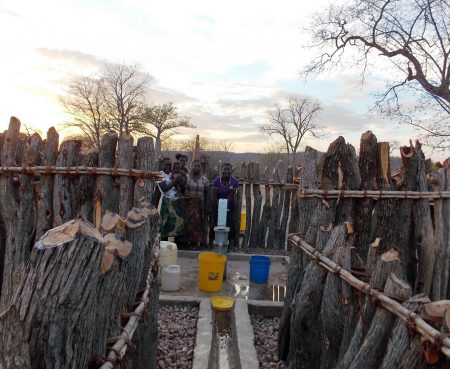
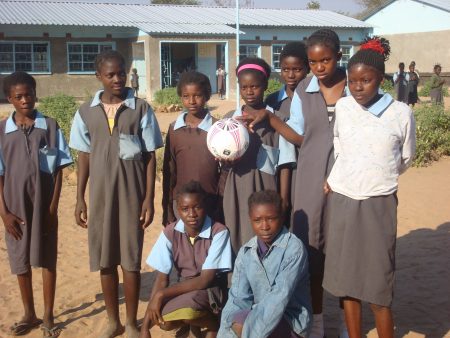
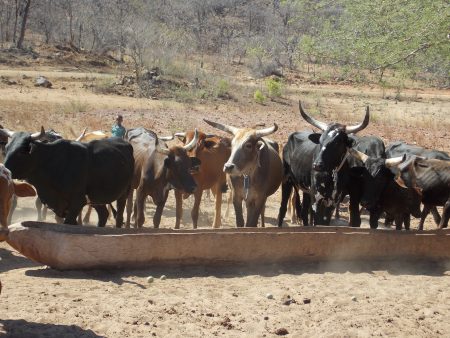
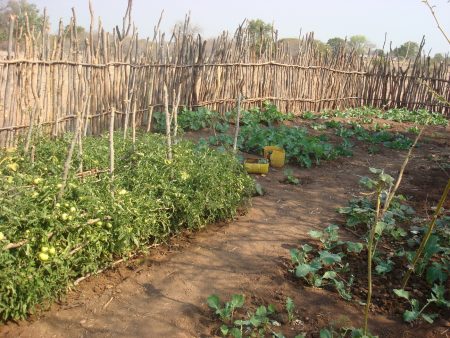
Each well developed through our “Washing Away Blindness” campaign will serve approximately 400 people, which means 9,600 people will receive access to safe, clean water – and each well will create a ripple effect for generations to come! Not only will the provision of fresh water and hygiene education help prevent blinding trachoma, but it will also provide other important benefits. (See the photos below for more information.)
We’d like to thank Rob and all of our donors for their incredible support. Thanks to you, we’re one step closer to washing away blindness in Zambia!
While our “Washing Away Blindness” campaign may be over, our work to fight blinding trachoma is ongoing. Please consider donating to our trachoma surgery program at operationeyesight.com/trachoma. Thank you for your support, and Happy World Water Day!