
Calgary, Canada October 12, 2023 – Today on World Sight Day, Operation Eyesight is reminding everybody, everywhere to love their eyes and prioritize their eye health.
This year, Operation Eyesight teams worldwide are joining the International Agency for the Prevention of Blindness and the global eye health community in focusing on the world’s workforce, reminding everyone of the importance of loving their eyes at work.

“Healthy eyes mean people can work, care for their families, support themselves and contribute to the economy. That’s why eye health at work is more important than ever,” says Kashinath Bhoosnurmath, Operation Eyesight’s President and CEO. “World Sight Day 2023 is extra special for Operation Eyesight, as we are also celebrating 60 years of preventing blindness and restoring sight.”
With the support of donors and partners globally, over the past six decades Operation Eyesight has transformed the lives of millions of children, women and men worldwide, by bringing sustainable eye health care to communities that need it most.

Unaddressed visual impairment continues to have a serious impact on workplace productivity, and a third of workers worldwide have uncorrected vision that could be improved. Additionally, people are working differently, including at home, and are also working longer hours.
Operation Eyesight is challenging everyone to consider the health of their eyes and to book their annual eye exam. Staff and employers can also visit operationeyesight.com/worldsightday for tips and resources on keeping eye health in focus in the workplace.
“Across sub-Saharan Africa and South Asia, our teams are marking World Sight Day with screening events at various workplaces, as well as celebrations with government and hospital partners,” says Dr. Ritu Ghosh, Operation Eyesight’s Global Director, International Programmes.
“We know that almost everyone on the planet will experience an eye health issue in their lifetime, but more than a billion people do not have access to eye care services to correct, treat or prevent vision loss. That’s why World Sight Day is such an important annual event.”
To learn more or make a donation, visit operationeyesight.com/worldsightday.
Operation Eyesight is a Canada-based international development organization working to prevent blindness and restore sight. In 2023, Operation Eyesight celebrates 60 years of collaborating with local hospitals and government partners to invest in sustainable eye health treatment, blindness prevention and community development.
World Sight Day, observed annually on the second Thursday of October, is coordinated by the International Agency for the Prevention of Blindness (IAPB) and supported by almost 200 IAPB member organizations, including Operation Eyesight.
For further information, please contact:
Colin Zak
Communications Specialist
Operation Eyesight Universal
ZakC[at]operationeyesight.com
@OpEyesight
On October 9, we marked World Sight Day 2025 with the call to Love Your Eyes, joining the global campaign initiated by IAPB, alongside hundreds of other organizations around the world.
Across 10 countries and three continents, our teams and partners worked tirelessly to raise awareness, advocate for eye health and provide screenings to thousands of people.
Our global impact with our partners saw us:
Below are highlights of our World Sight Day achievements from around the world.
Ethiopia: A school eye health initiative resulted in screenings of 1,200 students at Lideta Primary and Middle School in Bahir Dar City. The event linked eye health with WASH (water, sanitation and hygiene) education and provided free prescription eyeglasses to students in need.
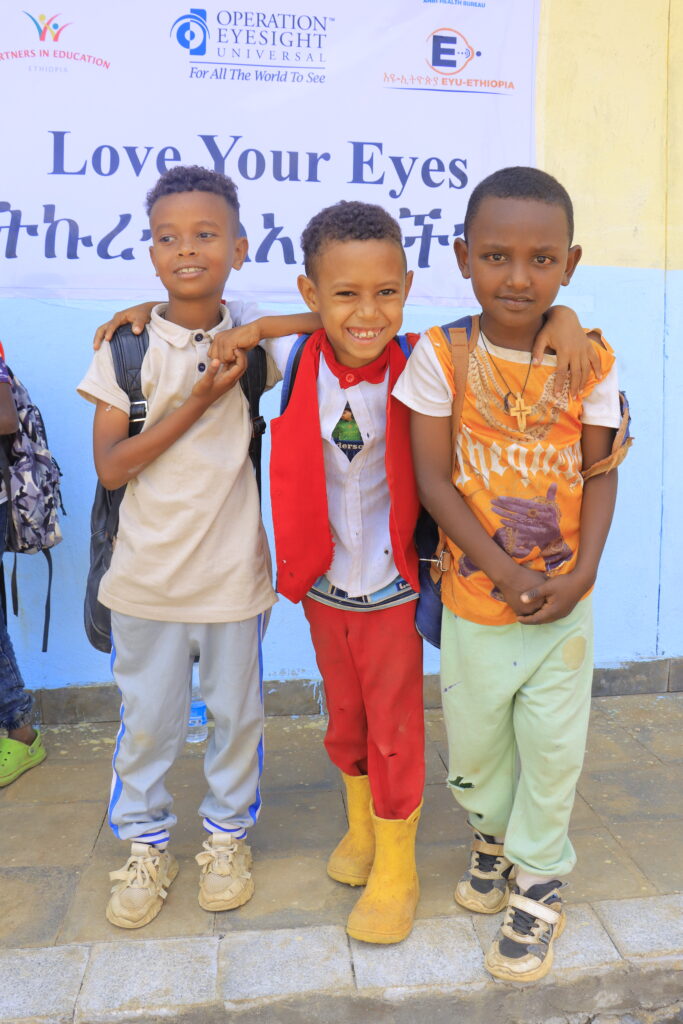
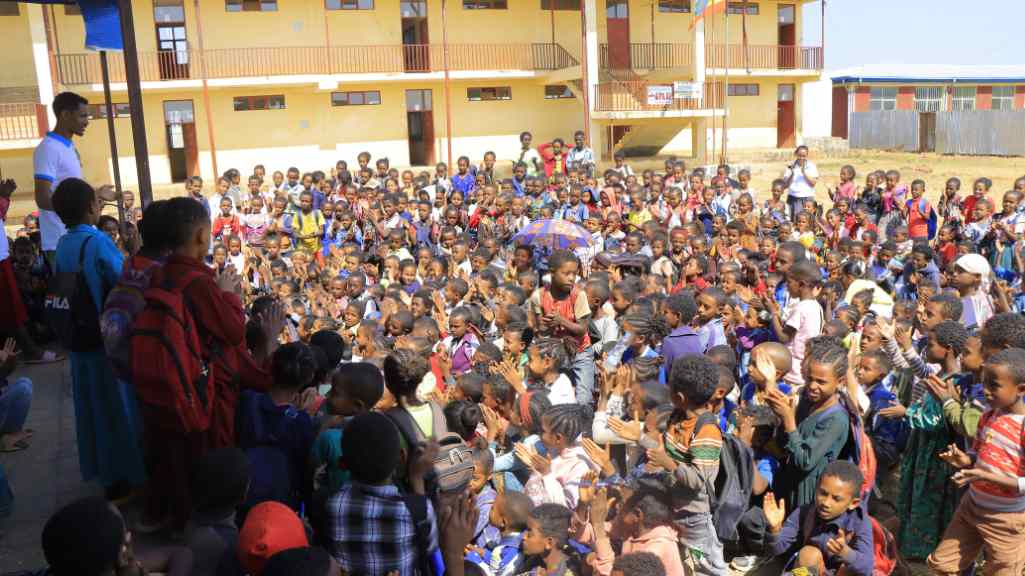
Community members in Ethiopia shared learnings that highlighted the importance of raising awareness of eye health in schools for both teachers and students.
I used to think some students were lazy when they struggled to read. Now I realize many have vision problems. This opened my eyes – literally and figuratively.”
- teacher in Ethiopia after a school eye health screening for World Sight Day 2025
A grade six student said, “I heard about trachoma only a month ago after joining our health club. Before this, most of us didn’t even know such eye problems existed.” The World Health Organization (WHO) lists trachoma as the world’s leading infectious cause of blindness and one of 21 neglected tropical diseases (NTDs) that affect over one billion of the world’s lowest income people. As of April 2025, the WHO Weekly epidemiological record reported that Ethiopia accounted for 64 per cent of the global burden of trachoma, with 66 million people at risk. It can be prevented with access to clean water and hygiene education and treated with antibiotics. (Learn more about our trachoma treatment and prevention projects here.)
Ghana: Our Ghana team supported Ghana Health Service in a press event to share the importance of eye health and the significance of World Sight Day. Alongside partners Watborg Eye Services, Gbawe Municipal Hospital and Swedru Government Hospital, community eye screenings and eye health awareness activities took place. In all, 876 people had their eyes screened.
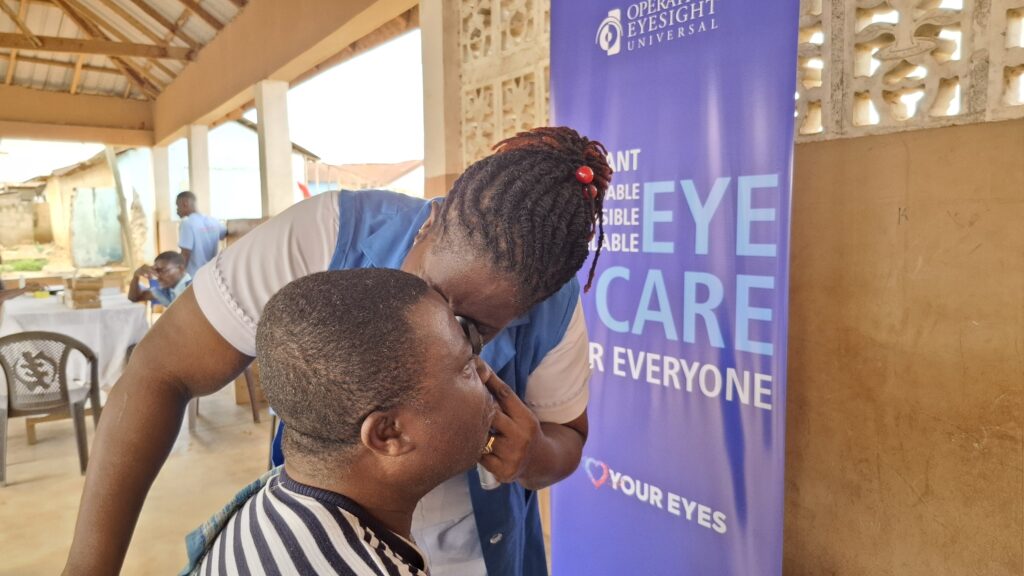
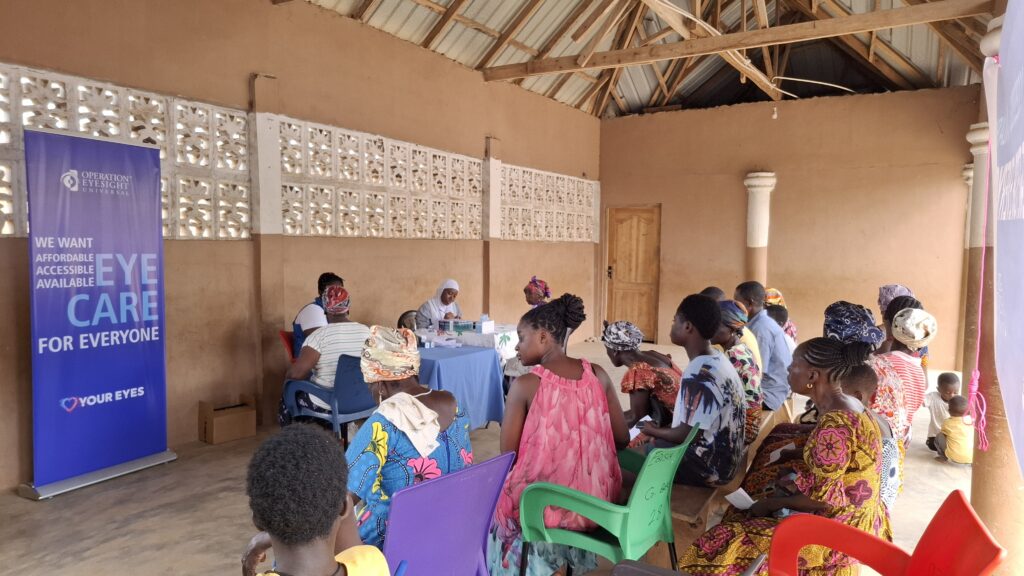
Kenya: Our Kenya team conducted advocacy for eye health by attending 12 meetings and working with partners to educate decision-makers at the national, regional and community levels about the need for eye health care and public education. This included working with the National Ministry of Health Eye Health Section to conduct eye screenings for Nairobi County Assembly members, to educate and advocate for the need to prioritize eye health in resource allocation.
Our Kenya team also ran an eye health awareness campaign at the Kajiado County Assembly, where Members of the County Assembly and staff received eye screening and treatment for various eye conditions. This was conducted to educate decision-makers on the need to include eye health in policy formulation, budget planning, and public. As a result, the County Assembly reaffirmed its commitment to promoting the health and well-being of citizens through informed policies and strategic partnerships.
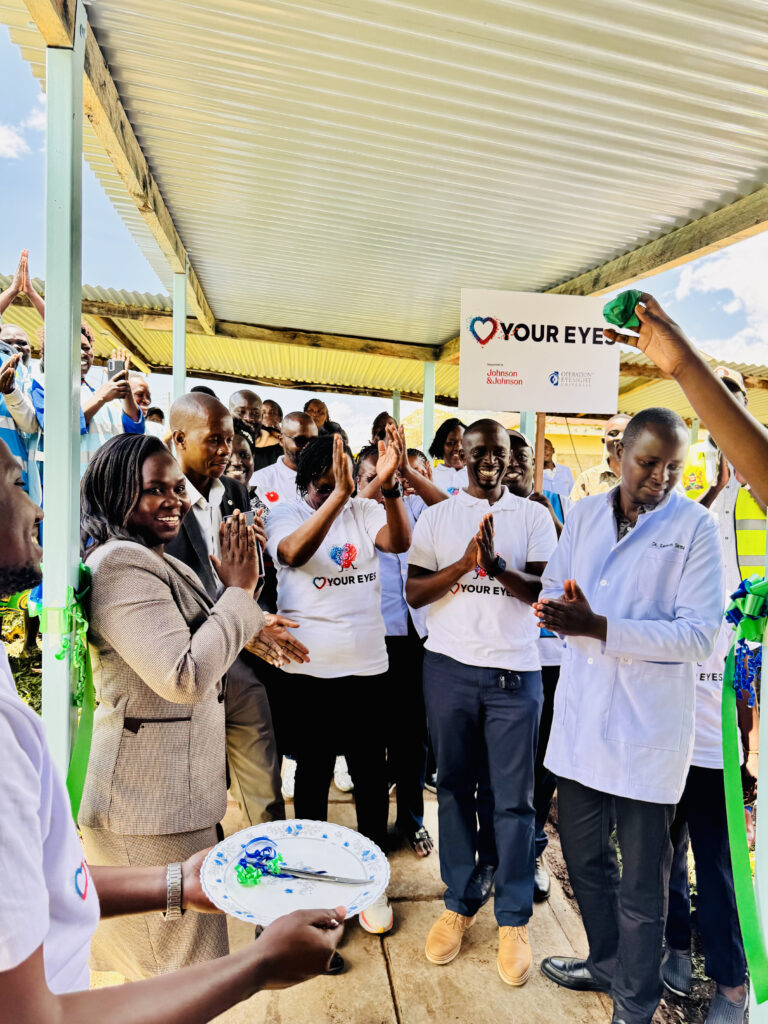
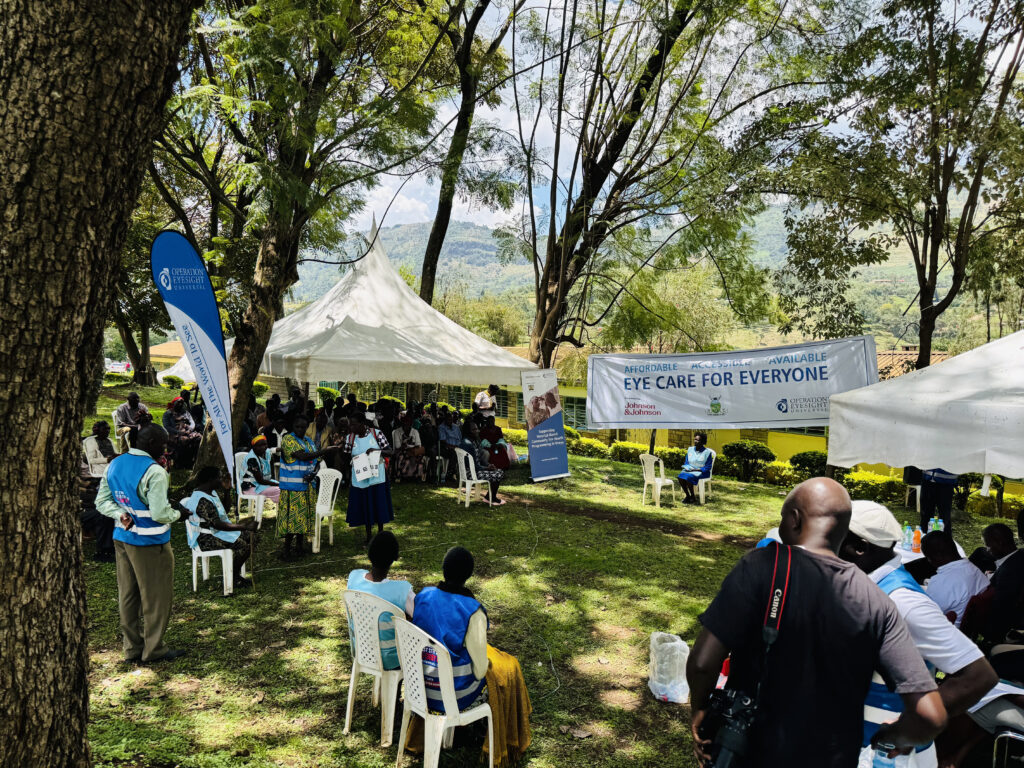
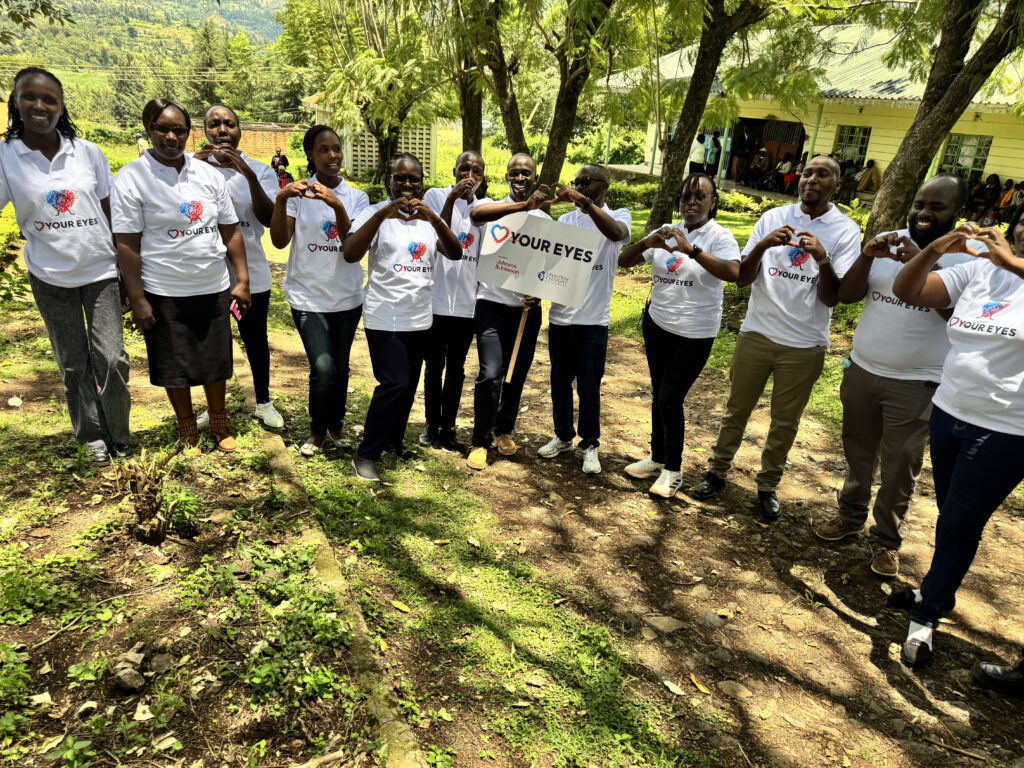
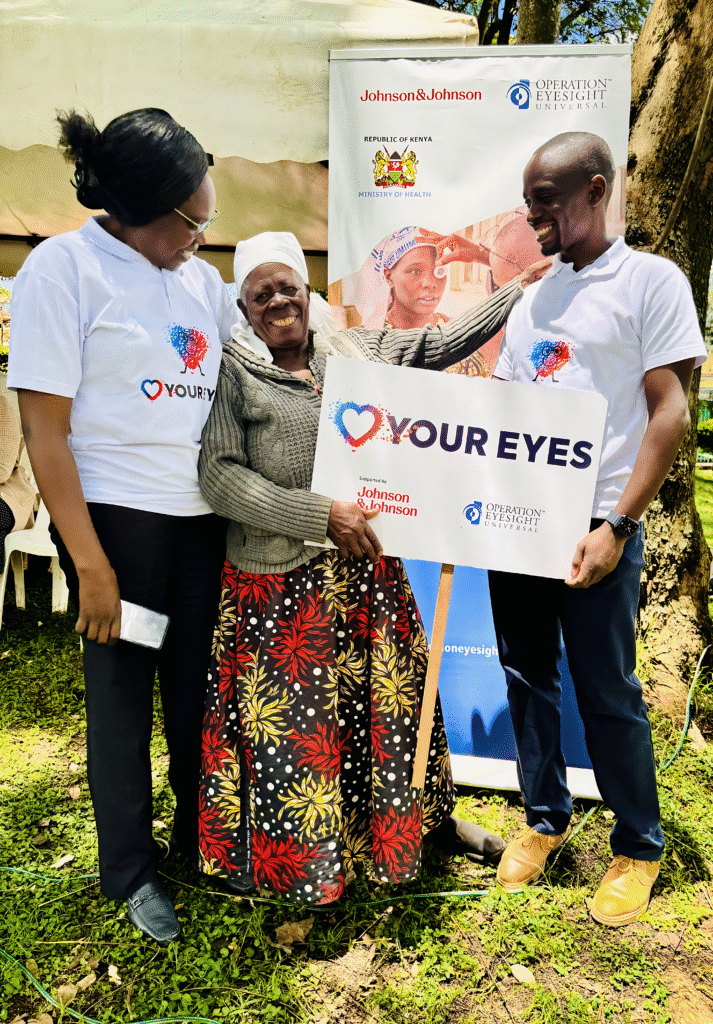
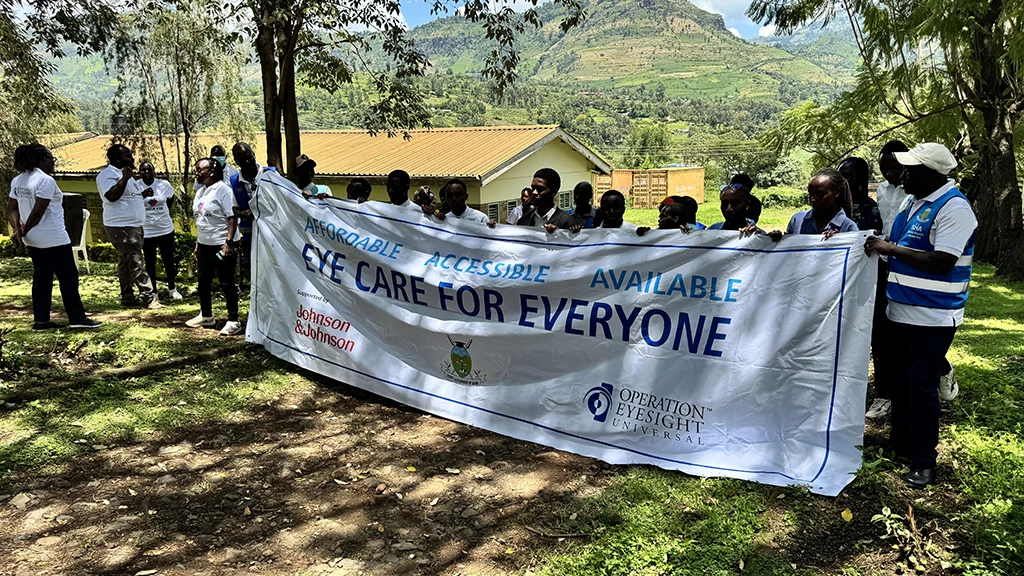
In Nandi County, in partnership with the County Government of Nandi and through the support of Johnson & Johnson, we officially launched a new eye clinic at Maraba Sub-County Hospital in Tinderet Sub County. The launch was presided over by Deputy County Commissioner Esther Oyugi and attended by senior county officials and community representatives. This marked a major milestone in improving access to primary eye care services. The new facility will provide screening, treatment and referral services, significantly enhancing Nandi County’s capacity to deliver comprehensive eye care and contributing to the elimination of avoidable blindness in the region.
Malawi: Our team in Malawi worked with partners to screen 16,701 people. This included screening students in nine schools and training 42 frontline workers.
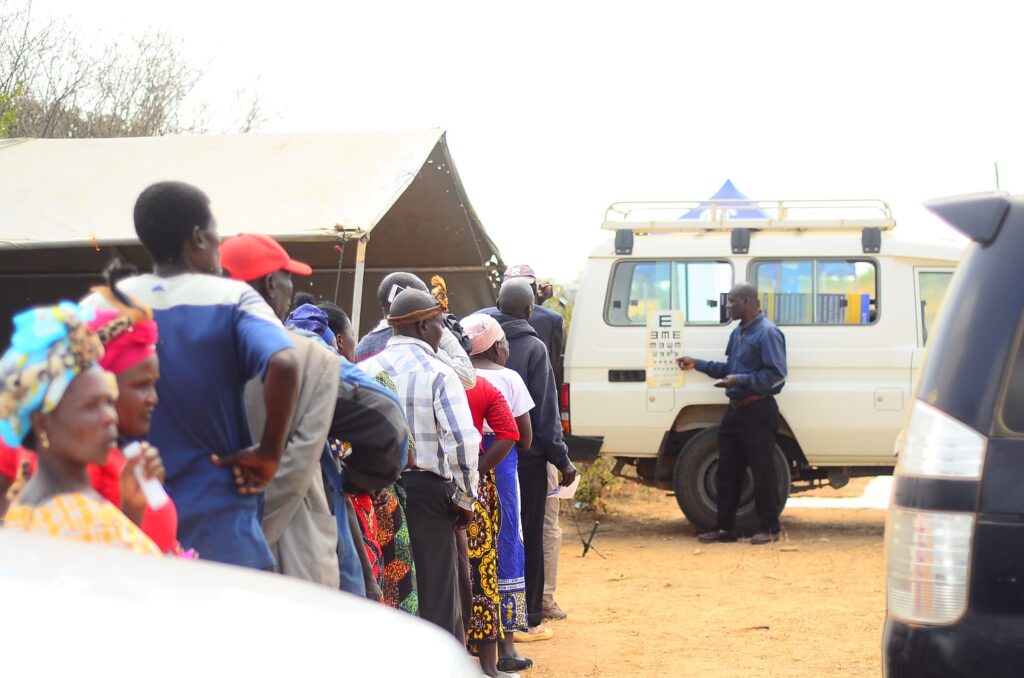
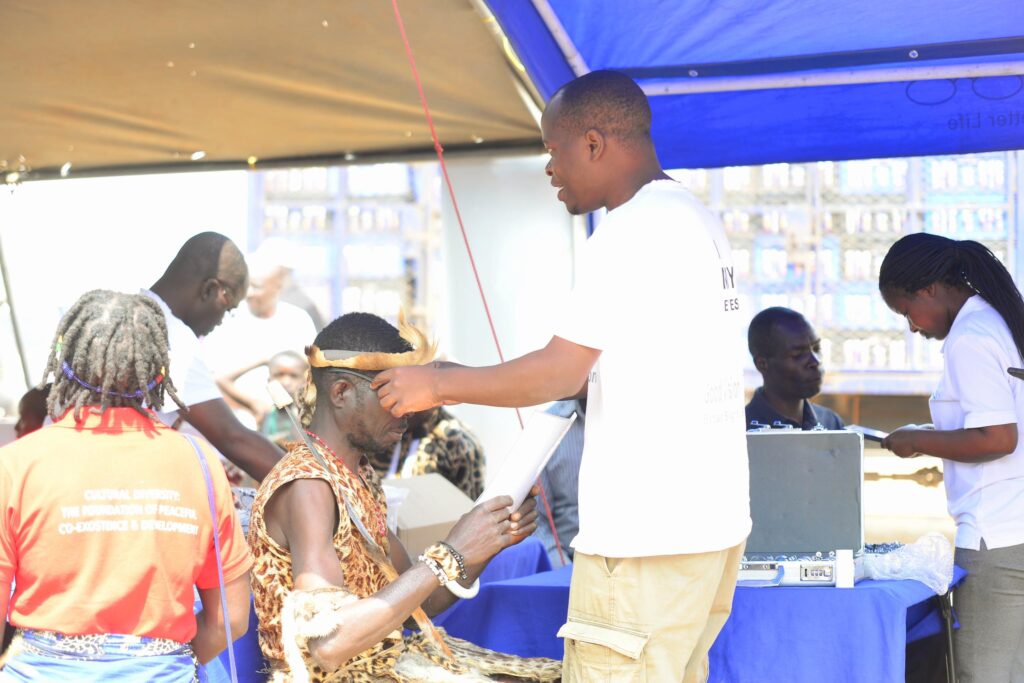
Zambia: Our Zambia team worked with partners to screen 20,087 people. Screenings were held at 20 schools, reaching 12,728 students. Of these, 886 students received prescription eyeglasses. In all, 79 people were booked for cataract surgeries.
We also advocated for eye health through meetings with the Parliamentary Sub-Committee on Health and hosted a radio call-in show to educate the public about eye health care and where they can seek help.
Canada: In Canada, we focused on advocacy for integrating eye health into universal health care. Events included a webinar, lighting events at the Calgary Tower, the Esplanade Riel Bridge in Winnipeg, Market Square in Guelph and the CN Tower in Toronto as well as news stories.

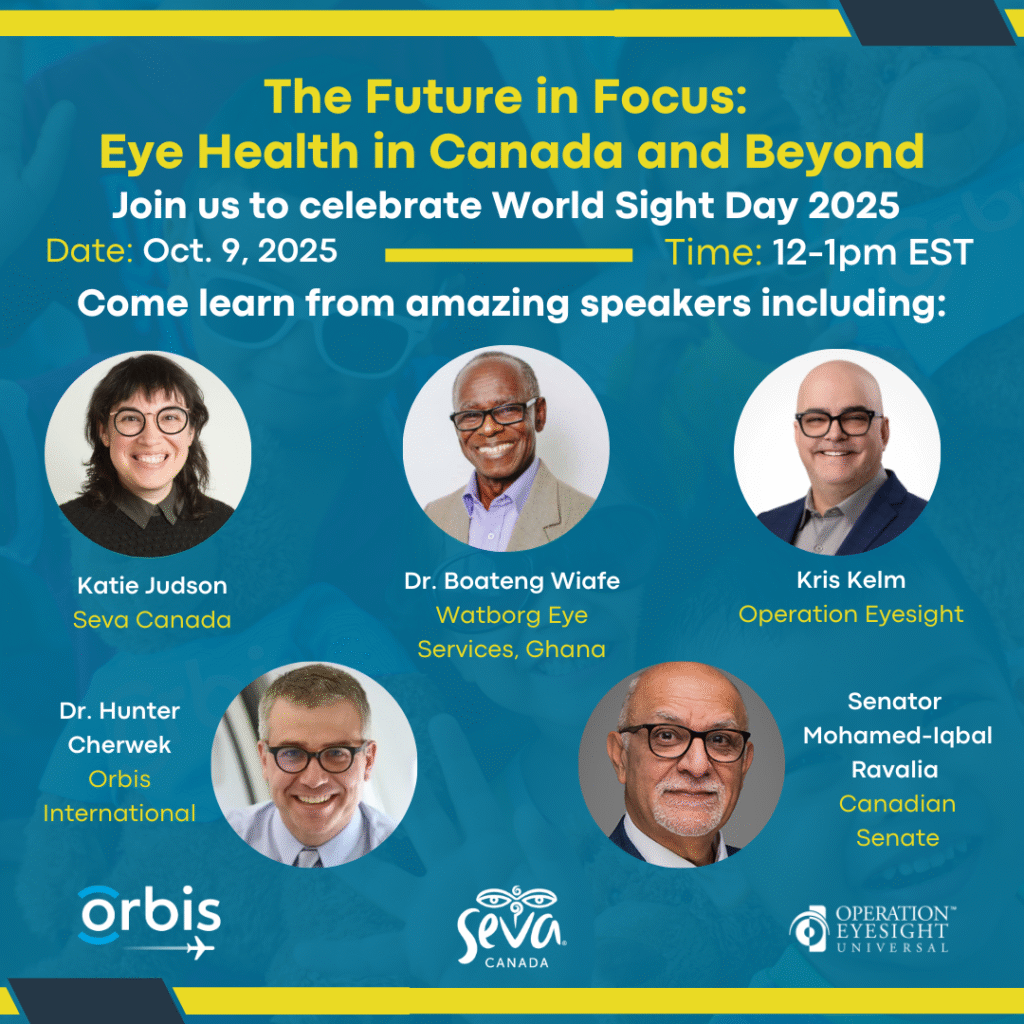
Kris Kelm, Global Director – International Programs and Chair of the Canadian Eye Health Coalition, featured in a dynamic webinar titled “The Future in Focus: Eye Health in Canada and Beyond”, with experts discussing the urgent need to prioritize and strategize for the growing demands of eye care across the life cycle. Speakers and topics included:
The importance of eye health care in Canada was highlighted in TV and radio news stories in Calgary and Ontario, in English and in French.
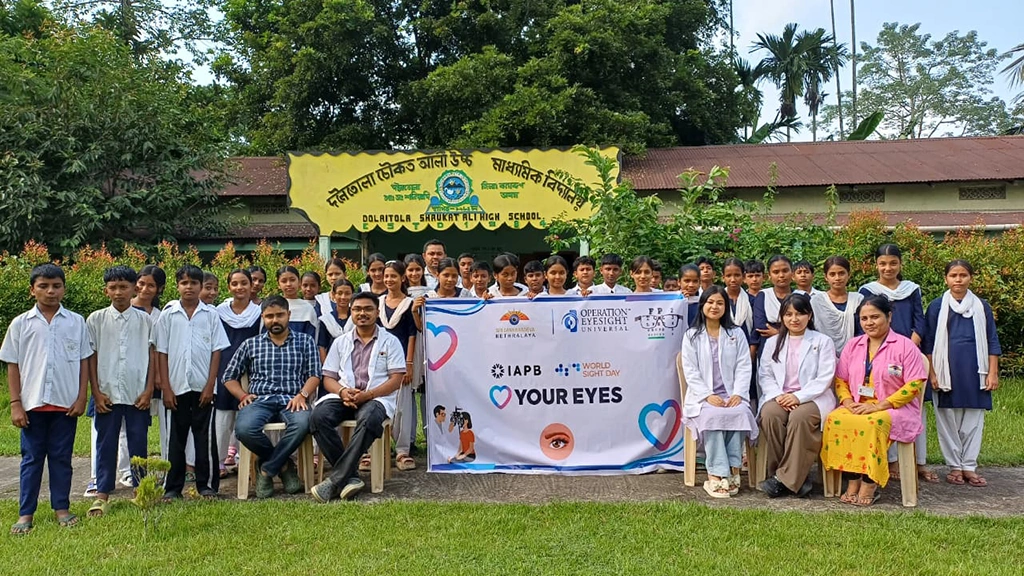
Bangladesh: Our partners in Bangladesh screened a total of 1,719 people, including 1,627 children, through screenings at 11 schools. Overall, 143 students and 40 community members received free prescription eyeglasses.
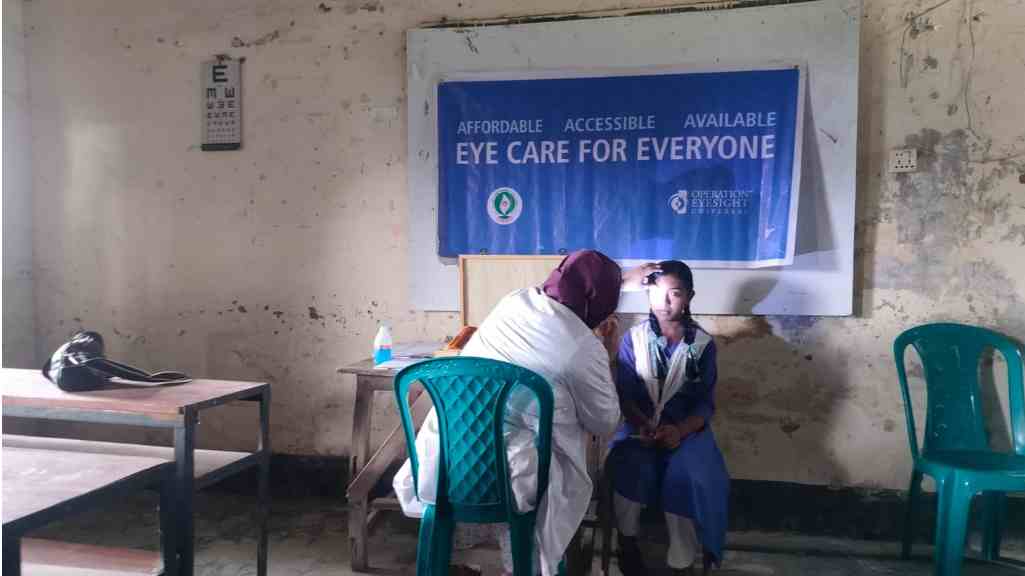
India: Our team and partners in India screened 17,715 people, including 12,709 children. Screenings were held across 39 schools with 519 students receiving free prescription eyeglasses.
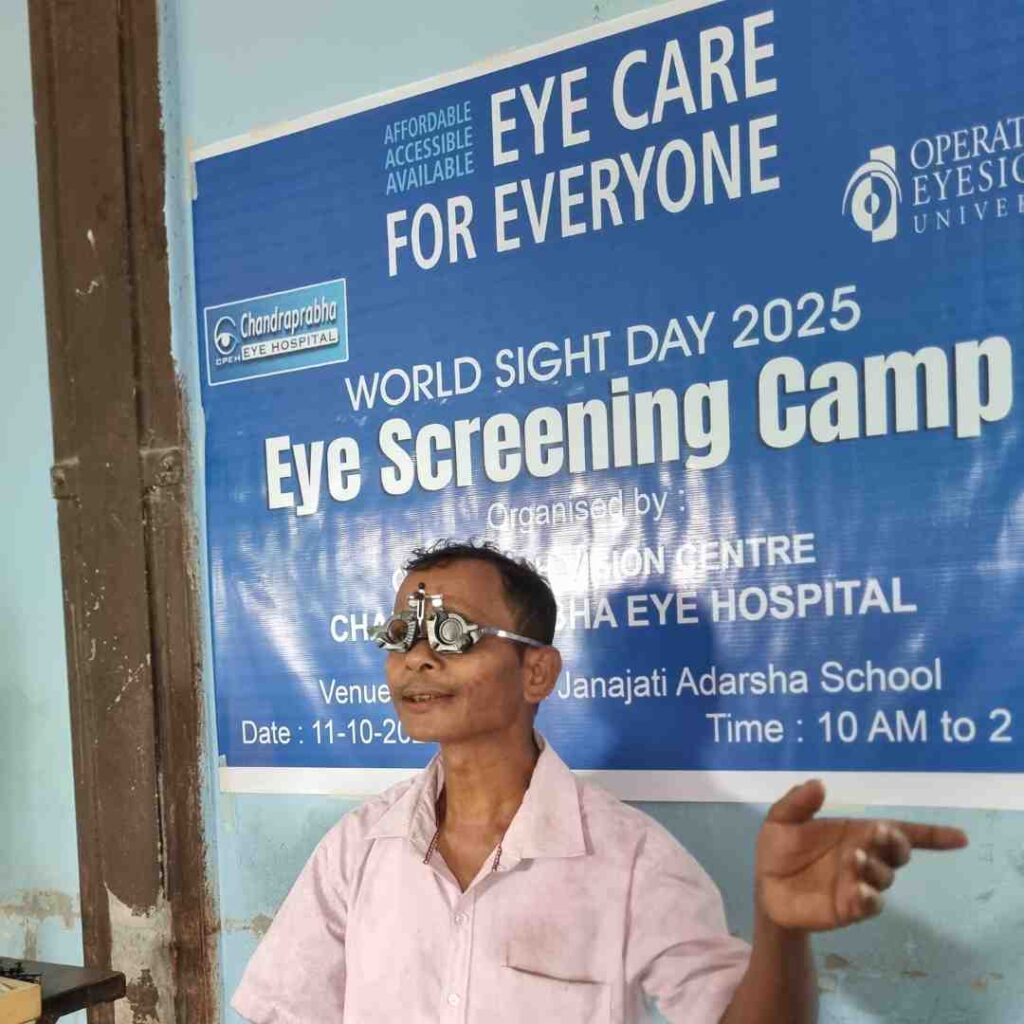
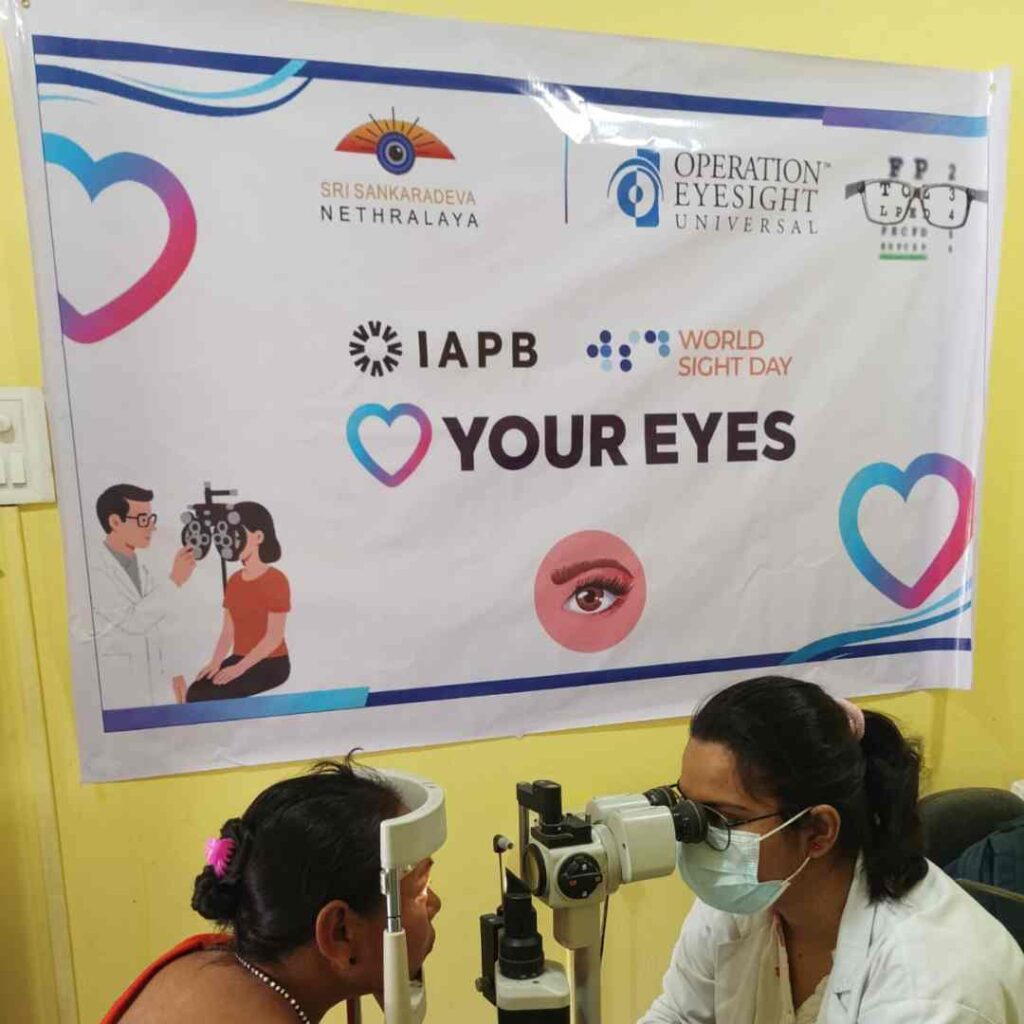
Nepal: In Nepal, our partners screened 710 people, including 440 children. One school screening took place, and 95 students received free prescription eyeglasses.
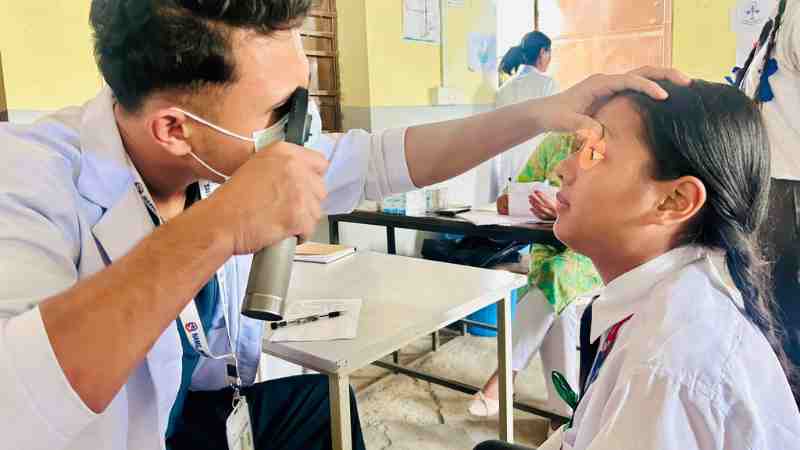
While World Sight Day is a time to focus the world’s attention on the importance of eye health care, every day is World Sight Day at Operation Eyesight. Our teams are always on the ground in 10 countries work daily alongside communities, governments, hospitals and like-minded organizations to bring quality eye health care to all – regardless of ability to pay, gender, age or where people live.
We have seen how addressing avoidable vision loss transforms lives – by improving access to education, employment, independence and opportunity – For All The World To See!
Thank you for your support, on World Sight Day and every day!
On October 9, we celebrated World Sight Day with events across the globe.
In Canada, our colours lit up the skylines in Calgary, Winnipeg, Guelph and Toronto to raise awareness about eye health and the passing of the National Strategy for Eye Care Act, which will help make vision care a national priority.

In Ghana, our team participated in a media launch with Ghana Health Service, along with regional awareness activities, while in Kenya, the day was marked with an awareness march, the opening of a new eye clinic and various screening camps.
Throughout Bangladesh, India and Nepal we organized more than 20 screening and surgical outreach camps, and in Zambia we launched a new radio series about eye health and organized various school eye health screenings.
Each initiative brings us closer to a future where eye health is accessible to all. These events are more than moments; they’re movements towards lasting change in global eye health.
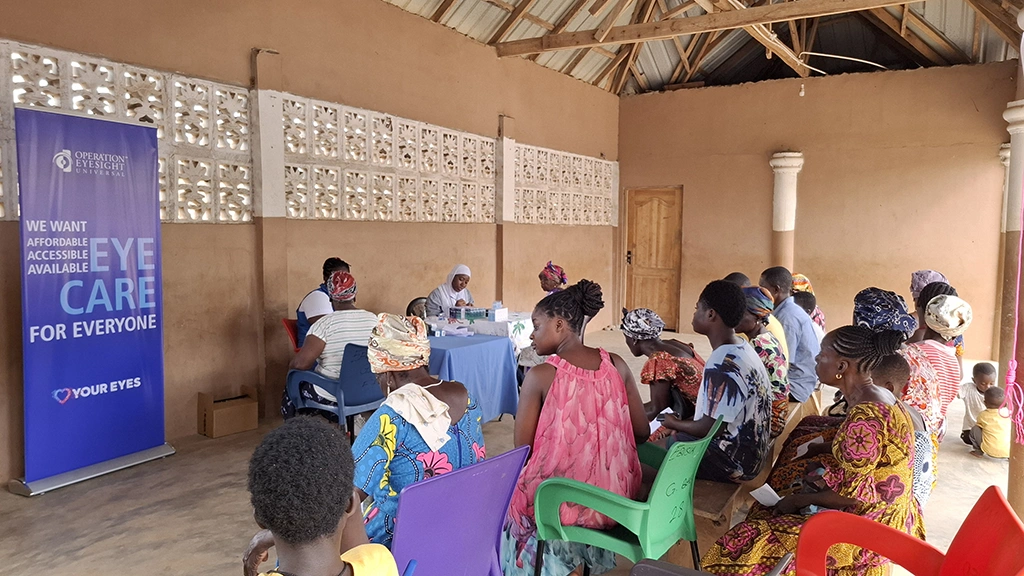
Dr. Chisanga Chelu, an ophthalmologist from Kabwe General Hospital in Zambia, discusses eye health in an hour-long program we are running on a local radio station in Kapiri Mposhi, Central Province. It was the first of a 13-week series in which listeners can learn more about eye health and call in with their questions. In areas where access to smartphones is limited, radio is an effective channel for sharing important eye health messages and encouraging people to seek care.

This World Sight Day, our colours are lighting up skylines in communities across Canada, from Calgary to Winnipeg and from Guelph to Toronto. We’ll be sharing photos on our website and social media, so everyone can see them.
If you live in Calgary, where we have been based for more than six decades, look up, way up, at the Calgary Tower after dark on October 9. To help raise awareness of the importance of eye health, the Calgary Tower will shine in Operation Eyesight’s blue and orange.


If you live in Toronto, you can see the CN Tower shining in blue and orange (and yellow, for another eye-related organization that is also marketing World Sight Day). Wherever you live in Canada, urban, rural or remote, you can view the CN Tower lighting through the Tower’s webcam here. Catch the light show at the top of every hour and at every half hour.
Guelph's Market Square lit up in blue and orange overnight on October 8 to 9.
The Winnipeg Esplanade Riel Bridge and city sign will be lit up on October 11 for World Sight Day as well as World Blindness Awareness month (October).

As of 2019, in Canada, 1.2 million people experience vision loss, which is 3.2 per cent of the population, and another estimated eight million people – 19 per cent – have eye conditions that could lead to blindness.
Avoidable vision loss can be prevented or treated when detected and addressed early. This is best done through regular eye exams; however, just 51 per cent of people in Canada are aware of how often to get an exam. Vision loss impacts people of all ages and touches all aspects of life including:
World Sight Day is in focus in Canada this year with the passing of the National Strategy for Eye Care Act in November 2024.
Kris Kelm, our Global Director – International Programs and Chair of the Canadian Eye Health Coalition, says, “Canada has made eye health a national priority with the passage of the National Strategy for Eye Care Act. We’re hard at work with like-minded organizations and communities, including Indigenous communities, to help shape the framework for an eye health care system that will serve all Canadians, from Inuvik to Iqaluit, and from Victoria to St. John’s – and every urban, rural and remote community in between. We are proud to bring more than 60 years of experience – earned building eye health care systems with partners in Africa and South Asia – to the table, and we feel that there is a lot for our Canadian policy to learn from international experience.”
Our President & CEO Kashinath Bhoosnurmath says, “Together, we can build an eye health care system in Canada that improves quality of life for us all, personally and for our family, friends, colleagues and neighbours. Together, we can eliminate avoidable vision loss in Canada to expand our collective opportunities – and be a shining inspiration for others.”
On September 23, 2025, the UN Friends of Vision, collaborating with the International Agency for the Prevention of Blindness (IAPB) which facilitates World Sight Day worldwide, presented the very first The Value of Vision: The Investment Case for Eye Health to the United Nations General Assembly in New York. The case will help inform international frameworks and lay a path for countries to build eye health care systems.
We will be sharing our activities on social media and our website. Learn more or donate in honour of World Sight Day at operationeyesight.com/worldsightday.
Happy World Sight Day! And thank you to our staff, donors and partners around the world for your steadfast dedication to our mission to prevent blindness and restore sight – For All The World To See!
As always, we are gearing up for a variety of World Sight Day events, including eye screenings, awareness marches and more. The global celebration is an opportunity to spread awareness about the importance of eye health. It’s also a chance for us to stand with our partners to call on policy makers all over the globe to make eye care accessible and affordable for everyone by providing universal health care that includes eye care.
This year, get your youngest family members involved by participating in our World Sight Day Wellness Bingo, an activity that challenges kids to take care of their eyes. Download your copy today.
In November 2024, the Canadian federal government passed the National Strategy for Eye Care Act. As a member of the Canadian Eye Health Coalition, we are proud to chair this network of organizations and individuals working together to inform the national framework for eye care and advocate for improved vision health for all Canadians.
On October 10, World Sight Day, hundreds of organizations around the world promoted the importance of child eye health to help children learn and thrive. At Operation Eyesight, we honoured World Sight Day by highlighting our school eye health programs. With our partners, we screened 80,592 children in 225 schools (plus some community screenings), from Bangladesh to Zambia.
The focus on child eye health highlighted the impact of vision on education and future livelihoods. Vision issues impact education significantly, new research from the International Agency for the Prevention of Blindness shows. The research states that children with poor vision learn half of what those with good vision do, while correcting a child’s vision at school increases their lifelong earnings by up to 78 per cent.
Not only did our team ramp up eye screenings in our school health programs, our country teams also engaged in community health care, hospital strengthening, integration of eye health care in primary health care, and advocacy at the national and local levels by attending meetings and press events.


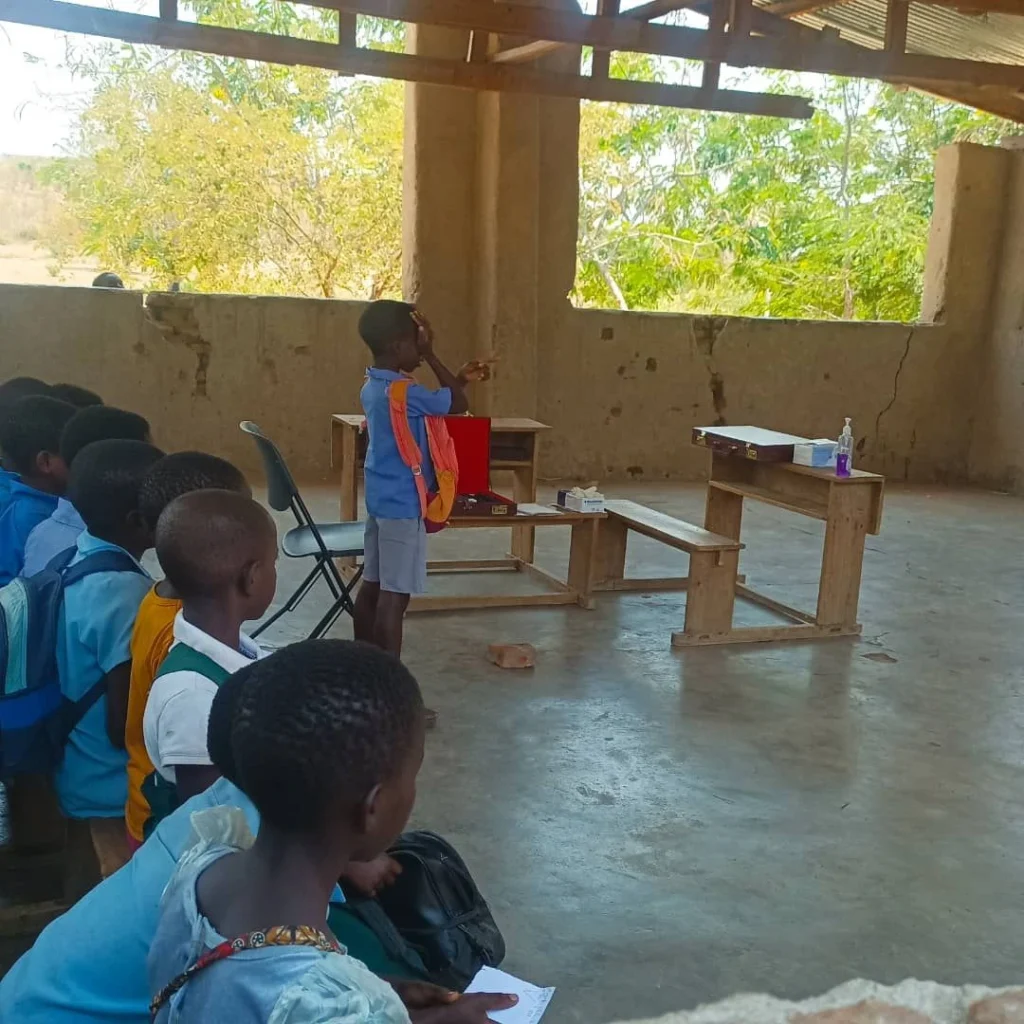
We used the lead up to World Sight Day to highlight not only school eye health programs but also programs that reach all children. Through our community health care model, we reach the entire family through door-to-door surveys and eye screenings. Those with sight issues are referred to local vision centres or hospitals for further care. When all cases of avoidable vision loss are addressed, and ongoing eye health care is in place, villages are declared as being avoidable blindness-free. In September on Aahotguri River Island in Majuli District, Assam, India, 20 villages received this declaration. See our work in this region in this video.
Through hospital strengthening and integration of eye health care into primary health care, we worked to support premature infants, who are at high risk of Retinopathy of Prematurity (ROP), a leading cause of blindness in children. When ROP is detected and treated early, it can prevent lifelong blindness. In September, in Bijnor District, India, our partner C. L. Gupta Eye Institute trained 35 neonatal intensive care staff to address ROP.
We also used World Sight Day as an opportunity to advocate for universal health care that incorporates eye health care. To do this, our teams attended 15 meetings with partners, policy makers and local and national governments. Staff also attended press briefings.


Eye health care ambassadors donned #LoveYourEyes glasses and posted eye health awareness messages online. The ambassadors included students at screenings, our President and CEO Kashinath Bhoosnurmath, staff, kids, pets, post-secondary and high school students and even Calgary, Alberta, Canada Mayor Jyoti Gondek. We are grateful for their support in raising awareness of child eye health and Operation Eyesight.
Learn more about how you can support child eye health here.


Mark your calendars – we’re getting ready for another frenzy of activity during this year’s World Sight Day, coming up on October 10.
The annual awareness day, spearheaded by the International Agency for the Prevention of Blindness, is a chance to focus the world’s attention on the importance of eye health, and to inspire people to take care of their eyes. And it’s more than just a day – we have a full week of festivities planned!
This year’s campaign will have a special focus on child eye health, complete with a new World Sight Day mascot, Artie. We can’t wait to share some Artie-themed, kid-friendly materials that you can enjoy with your children and grandkids. Stay tuned to our webpage: operationeyesight.com/worldsightday

You can look forward to pictures and stories about Avoidable Blindness-Free village declarations, parades, community eye screenings and more. We also plan to deliver new prescription eyeglasses to hundreds of schoolkids in Ghana that week – and we’ll be on site to capture the magic, so you can share in their excitement.
Follow us on social media for updates in real time or check your email inbox just after Thanksgiving for a round up of the events. Be sure to subscribe for our eNews so you don’t miss an update: operationeyesight.com/subscribe
For millions of children worldwide, vision loss and blindness create barriers for learning, growth and opportunities — that's why child eye health is a focus this World Sight Day.
For 17-year-old Jennifer from Ghana, blurred vision made it difficult to keep up in class — until a simple pair of eyeglasses changed her life.
“I first noticed that I could not see objects clearly at a distance,” recalls Jennifer, who attends school in the Mfantseman District of Ghana’s Central Region. For three years, she struggled in silence, telling no one about her condition. As her vision worsened, she began relying on classmates to help her read the blackboard.
Relief came when Operation Eyesight hosted an eye health screening at her school. Diagnosed with a serious refractive error, Jennifer received a pair of prescription eyeglasses, free of charge.
Today, Jennifer is thriving and optimistic about her future. “I am happy with these new spectacles!” she says.
Jennifer’s story is far too common. Globally, nearly 450 million children and adolescents face similar vision challenges that could easily be solved with a pair of prescription eyeglasses. Additionally, 40 per cent of children who are blind could have had their eye conditions prevented with access to eye health care, according to the International Agency for the Prevention of Blindness (IAPB).
Shining a light on child eye health on World Sight Day
On October 10, the global eye health community will celebrate #WorldSightDay, encouraging everyone to prioritize their eye health. This year’s theme highlights the importance of eye care for children, inspiring young people to 'love their eyes'.
“Every day, preventable and treatable eye health issues cause children to miss out on learning and social opportunities,” says Kashinath Bhoosnurmath, President and CEO of Operation Eyesight. “They do not just deserve but have the right to a happy childhood. Healthy eyes enable kids to learn, play, and thrive, setting them on a path for life.”
Untreated vision loss can have lifelong consequences, especially for children in low- and middle- income countries, who are five times less likely to attend school if they have a vision impairment, states the IAPB. Providing accessible and quality eye care helps meet the United Nations (UN) Sustainable Development Goals (SDGs) of Quality Education (SDG 4) and Good Health & Well-being (SDG 3).

School Eye Health Programs: Reaching children where they are and raising awareness of programs on World Sight Day
In 2023, Operation Eyesight screened more than 240,000 students at 1,133 schools across South Asia and sub-Saharan Africa. By training teachers and healthcare workers to identify vision problems, we ensure youths like Jennifer receive the care they need.
Child eye health is about more than providing eyeglasses; it’s about creating long-term solutions. In places like Ethiopia, Kenya and Zambia, trachoma is a leading cause of vision loss. If left untreated, this bacterial infection can lead to irreversible blindness. Along with mass drug administrations (MDAs) to clear infections, our teams also bring communities local access to fresh water and educate people about the importance of washing their hands, faces and clothing to reduce transmission of the infection.

Yashwant Sinha, our Director of International Programmes, says Operation Eyesight’s clean water projects have had a ripple effect in the lives of female students.
“In many communities across sub-Saharan Africa, the task of hauling water falls to women and girls. Local access to fresh water has boosted school attendance, because girls no longer have to spend hours fetching water,” Yashwant says. “In many communities, attendance of girls at school has improved.”
He adds that in Ethiopia, these benefits have been bolstered by Water, Sanitation and Hygiene (WASH) programs both in the community and at schools, as well as menstrual hygiene training, including how to create reusable sanitary pads using local materials.
These efforts also support the UN SDGs related to Clean Water and Sanitation (SDG 6) and Gender Equality (SDG 5).
A comprehensive approach to eye health
Our work extends beyond schools. Operation Eyesight’s global team of Community Health Workers (CHWs) enables us to be present in the community and reach patients who otherwise would not have access to quality eye health care.
By conducting door-to-door screenings, CHWs help families understand the importance of seeking eye care, ensuring that no man, woman or child goes without eye health screening and referral if needed. Through public health education, we also promote awareness about hygiene and overall health, linking residents with local healthcare resources.
“Healthy eyes are just one part of a person’s overall health and well-being, and we are also focused on addressing other determinants of eye health,” Yashwant explains.
“Our CHWs and other local staff connect new moms with pre- and post-natal care and also connect families with immunization clinics to help give kids the best start.”

Addressing complex conditions early
Some vision issues, like Retinopathy of Prematurity (ROP), need intervention much earlier. ROP is one of the leading causes of vision loss in children in India, and preterm infants are at high risk of developing this condition which leads to lifelong blindness.
Shabana, from a small village in Uttar Pradesh, India, delivered her son Aarsh when she was only seven months pregnant. Thanks to Operation Eyesight’s partnership with C.L. Gupta Eye Institute (CLGEI) in nearby Moradabad city, Aarsh was screened and treated for ROP, saving him from a life without sight.
“Aarsh’s journey is a testament to the transformative power of our ROP screening program,” says Lokesh Chauhan, Deputy General Manager at CLGEI. “Aarsh’s bright eyes now reflect a world of possibilities.”
Ocular cancers such as retinoblastoma not only cause blindness but can also be fatal. In India, retinoblastoma accounts for about three per cent of all cancers affecting children under five, and it is reported in an article in the Indian Journal of Ophthalmology that there are about 1,500 new cases reported each year.

Timely treatment of this cancer can save the lives of more than nine out of 10 children suffering from this disease, including children like Alok, pictured above. In many cases, a child’s vision can also be saved, but early screening and treatment are essential. Thanks to the help of our generous donors, in 2015, Operation Eyesight, in partnership with LVPEI, opened one of the few facilities in the world that specializes in treating ophthalmic tumours in both children and adults.
Tapobrat Bhuyan, our Programme Manager in India, adds that untreated vision loss can also have long-term effects on children’s self-esteem.
“Clear vision and healthy eyes open the door of possibility. For a child, it’s a chance to have a full childhood, which has long-term impacts for their trajectory in life,” Tapobrat explains. “Vision loss and blindness have been proven to prevent social inclusion and can negatively impact mental health.”

Looking ahead: World Sight Day 2024
Vision is crucial for a child’s development — whether in the classroom, playground, or at home. It’s no surprise that 80 per cent of a child’s learning is visual, according to multiple studies. Wherever they live, access to quality eye health care helps give young people the best possible start in life, paving the way for success for years to come.
Access to eye health care isn’t just an issue in low- and middle-income countries. Globally, myopia is on the rise. Commonly known as nearsightedness, myopia makes it difficult to see distant objects clearly. The number of children experiencing myopia is increasing, driven by excessive screen time. In 2020, 60 per cent of children in Asia and 50 per cent in Europe had myopia.
Reducing screen time and scheduling regular eye exams are simple steps we can take to protect our children’s vision. A 2021 study found that extended screen time is associated with a 30 per cent higher risk of myopia, which requires prescription eyeglasses. When combined with excessive computer use, the risk more than doubles, reaching approximately 80 per cent.
In Canada, some provinces offer free eye exams to children and seniors as part of provincial health care. Access to eyeglasses is one of the most effective health interventions for kids.
Download our child eye health resources on our World Sight Day page to learn more and help the children in your life love their eyes.
World Sight Day 2024 is a chance to focus on our kids’ eye health and help children and adolescents everywhere love their eyes.
Help all children love their eyes this World Sight Day
You can also help ensure that no child is left behind due to preventable vision loss. Together, we can create a world where every child has access to quality and affordable eye health care. Make a donation today to help bring sustainable eye health solutions to children living in communities that need them most.
Each year on World Sight Day, the global eye health community joins hands to encourage everyone, everywhere to love their eyes and make their eye health a priority.
This year, on Oct. 12, our global community brought quality eye health care to more than 108,000 people across South Asia, sub-Saharan Africa and Canada. Together with our partners we organized eye health screenings, distributed free prescription eyeglasses and provided no-cost cataract surgeries.
“There is no better way to celebrate World Sight Day than by bringing eye health care and education to those who need it most, especially women and girls, to ensure gender equality i.e. equal outcomes for women and men and gender diverse groups. Moreover, eye health significantly contributes to sustainable Development Goals in terms of better options of livelihood, enhanced school performance and socio-economic development that leads to quality of life,” says Dr. Ritu Ghosh, our Global Director, International Programmes.
“The collaboration of our staff and volunteers, donors, partners and communities has helped make this one of Operation Eyesight’s most impactful and successful World Sight Day celebrations to date.”
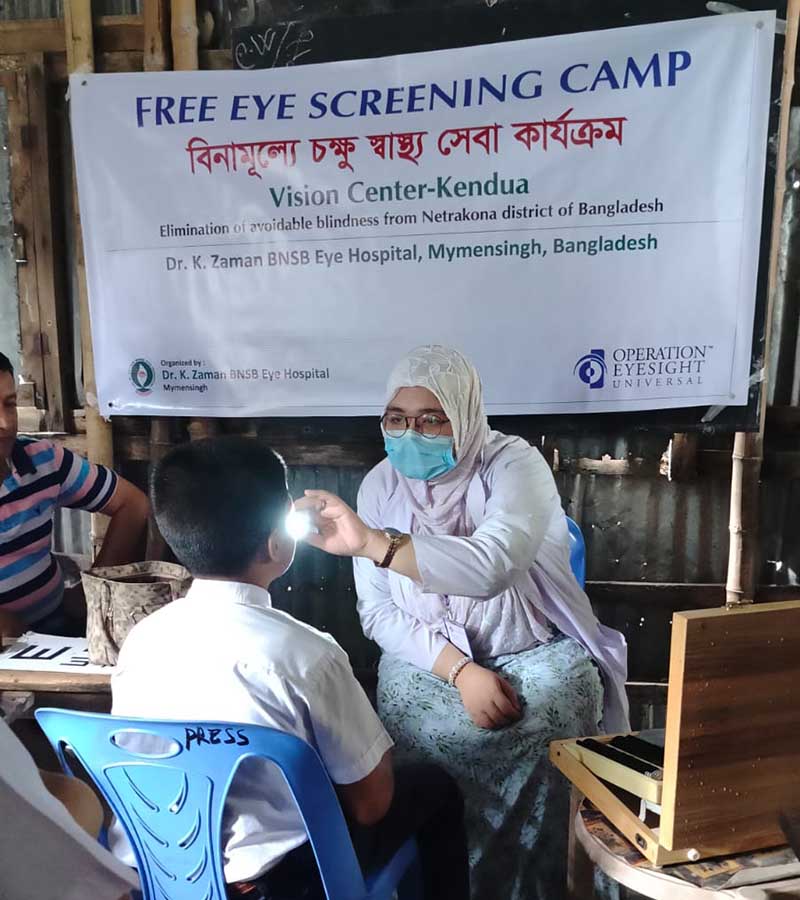
In Bangladesh, with our partner Netracona Vision Centre, we hosted three school eye health screening camps, which provided comprehensive eye health screenings for 513 children. Forty-three adults were screened at the vision centre.
In Nepal, through our school eye health screening camps, we screened nearly 1,300 students and 19 school staff, and distributed 38 pairs of free prescription eyeglasses. At the Simara Vision Centre, during the two weeks leading up to World Sight Day, 104 patients received life-changing cataract surgery free of charge. Prior to upgrades supported by Operation Eyesight, the facility performed approximately 20 cataract surgeries per month.

In nearby India, in collaboration with our partners we hosted nine eye health screening events at schools and in the community, reaching 1,445 students and 145 adults. We also distributed 98 free pairs of prescription eyeglasses, provided 137 sight-restoring cataract surgeries and organized eye health education events for nearly 2,500 people.

“In addition to eye health screening, distributing eyeglasses and providing surgeries, eye health education plays a key role in ensuring that people know where to seek eye care when they need it,” explains Dr. Troy Cunningham, our Country Director for India. “This combination of treatment and education made it possible for us to declare 39 villages Avoidable Blindness-Free on World Sight Day.”

In Ghana, we joined forces with nursing staff at Saltpond Hospital, our partner facility, to hold public screenings in Awutu Senya District and Mfantseman Municipality.
“Eye health at work was a focus for World Sight Day this year, and our screening activities were aimed at reaching drivers and traders while at work,” says Emmanuel Kumah, our Country Director for Ghana.
“Our partnership with Ghana Health Service is critical to our ability to reach people in the community and connect them with not only eye health care but with their local health system. We’re grateful to our government and hospital partners for helping make World Sight Day 2023 such a success.”
World Sight Day celebrations in Kenya focused on delivering eye health screening and treatment to office and factory workers, teachers and public transport drivers. Eye health screening events for the public were held at our partner hospitals and facilities, enabling us to reach nearly 6,600 people and distribute 291 pairs of eyeglasses – prescription or readers.
Additionally, we hosted eye health education events that reached 2,005 people including workers at PJ Dave Flower Farm in Kajiado. Our partner Moi Teaching and Referral Hospital conducted a procession to create awareness on the importance of eye health, drawing the community’s attention to the services available at the hospital.

“We were proud to join the Ministry of Health for annual World Sight Day celebration events,” says Alice Mwangi, our Country Director for Kenya. “In keeping with this year’s World Sight Day theme of the world of work, we were able to bring eye health screening and awareness to workplaces, through the generosity of our donors and the know-how and passion of our partner facilities.” ”

In Zambia, we joined forces with the nursing staff at our partner Maamba General Hospital to conduct eye health screenings at five schools in the Sinazongwe district in the Southern Province. In total, 565 students were screened and 43 received reading eyeglasses.
“This year’s World Sight Day celebrations focused on reaching pupils and teachers while at work,” says Kelly Kaira, our Programme Manager for Zambia. “The pupils and teachers were grateful for the intervention, and some of them would not have otherwise been able to access eye health services, because of the distance to the hospital, the cost of services and financial limitations. We are grateful to our donors who helped us provide the Gift of Sight, and to our government and hospital partners for helping make World Sight Day 2023 such a success.”
In Calgary, Canada where our global headquarters are located, in collaboration with EvolutionEyes, we provided comprehensive eye exams to eight mothers and four children. The screening event was hosted at Highbanks Society, which empowers young women to attend school and engage in personal planning and goal setting.

“Although many people in Canada take eye health care for granted, there are many people who still face barriers, including Indigenous Peoples and people experiencing homelessness,” explains Sidney Gill, our Community Engagement Specialist – Indigenous Programs. “However, this journey towards self-sufficiency for these communities is not without its hurdles, and vision health is a fundamental element of their overall well-being.”
From sharing eye health tips on social media and in the community, to providing life-changing eyeglasses, surgeries and eye exams, World Sight Day 2023 was a global effort that would not have been possible without our staff, volunteers and partners, as well as our communities of work. Together, we added our voice to the International Agency for the Prevention of Blindness’s annual #LoveYourEyes campaign and joined our eye health peers in encouraging everyone, everywhere to make eye health a priority – For All The World To See.
Calgary, Canada October 12, 2023 – Today on World Sight Day, Operation Eyesight is reminding everybody, everywhere to love their eyes and prioritize their eye health.
This year, Operation Eyesight teams worldwide are joining the International Agency for the Prevention of Blindness and the global eye health community in focusing on the world’s workforce, reminding everyone of the importance of loving their eyes at work.
“Healthy eyes mean people can work, care for their families, support themselves and contribute to the economy. That’s why eye health at work is more important than ever,” says Kashinath Bhoosnurmath, Operation Eyesight’s President and CEO. “World Sight Day 2023 is extra special for Operation Eyesight, as we are also celebrating 60 years of preventing blindness and restoring sight.”
With the support of donors and partners globally, over the past six decades Operation Eyesight has transformed the lives of millions of children, women and men worldwide, by bringing sustainable eye health care to communities that need it most.
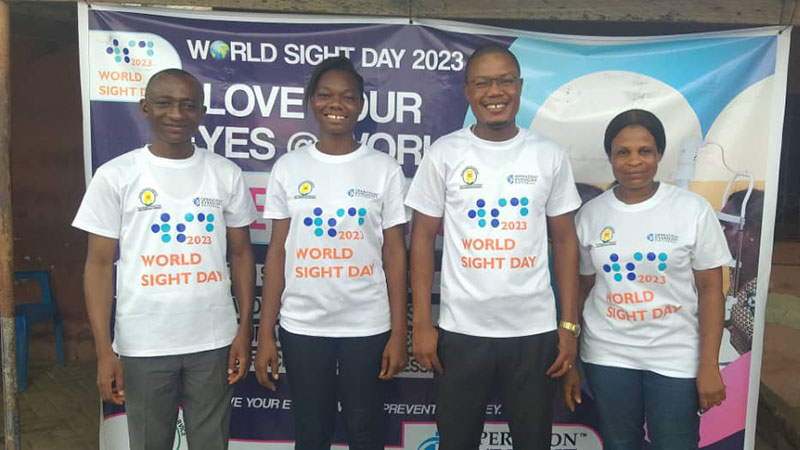
Unaddressed visual impairment continues to have a serious impact on workplace productivity, and a third of workers worldwide have uncorrected vision that could be improved. Additionally, people are working differently, including at home, and are also working longer hours.
Operation Eyesight is challenging everyone to consider the health of their eyes and to book their annual eye exam. Staff and employers can also visit operationeyesight.com/worldsightday for tips and resources on keeping eye health in focus in the workplace.
“Across sub-Saharan Africa and South Asia, our teams are marking World Sight Day with screening events at various workplaces, as well as celebrations with government and hospital partners,” says Dr. Ritu Ghosh, Operation Eyesight’s Global Director, International Programmes.
“We know that almost everyone on the planet will experience an eye health issue in their lifetime, but more than a billion people do not have access to eye care services to correct, treat or prevent vision loss. That’s why World Sight Day is such an important annual event.”
To learn more or make a donation, visit operationeyesight.com/worldsightday.
Operation Eyesight is a Canada-based international development organization working to prevent blindness and restore sight. In 2023, Operation Eyesight celebrates 60 years of collaborating with local hospitals and government partners to invest in sustainable eye health treatment, blindness prevention and community development.
World Sight Day, observed annually on the second Thursday of October, is coordinated by the International Agency for the Prevention of Blindness (IAPB) and supported by almost 200 IAPB member organizations, including Operation Eyesight.
For further information, please contact:
Colin Zak
Communications Specialist
Operation Eyesight Universal
ZakC[at]operationeyesight.com
@OpEyesight
