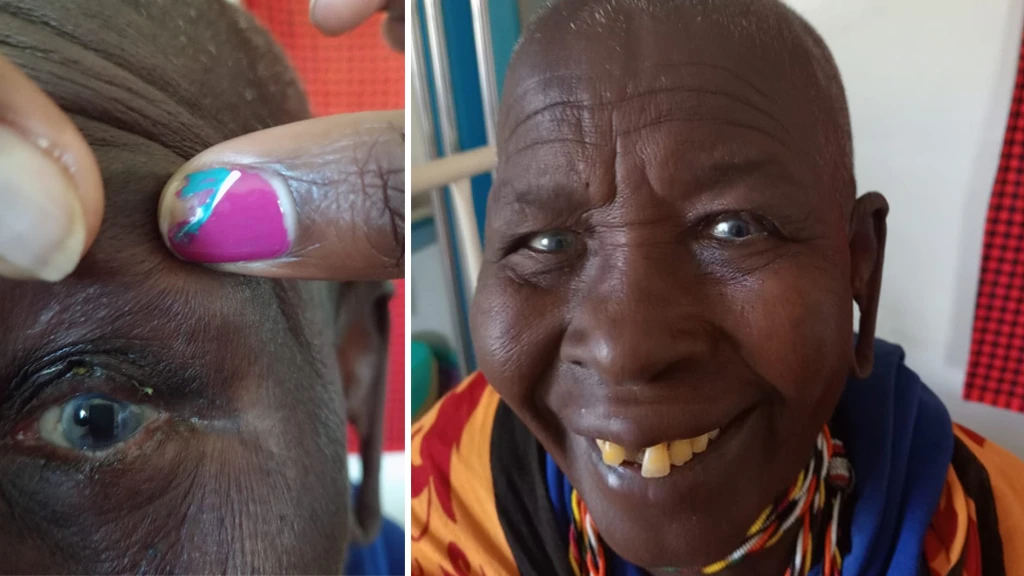
For most of her life, Napolo from Narok County, Kenya suffered from eye pain. The 78-year-old first noticed the discomfort when she was in her thirties. She said it felt like there was always sand in her eyes.
Then her eyelids started turning inwards, causing more pain and irritation. She tried traditional remedies like plucking her eyelashes, but nothing helped. Her vision worsened over time.
One day, a community health worker came to Napolo’s doorstep to check on the family’s vision. Thanks to the primary eye care training we’d provided, the community health worker took one look at Napolo’s eyes and instantly knew what the problem was – a trachoma infection.
Trachoma is a bacterial eye disease that is a leading cause of blindness in areas with water shortages and crowded living conditions. The infection spreads easily through hands and clothing, and also through direct transmission by flies. If left untreated, trachoma forces the eyelid inward – like Napolo’s – making the eyelashes rub painfully against the cornea. Over years, it can lead to permanent scarring and irreversible vision loss.
The community health worker helped connect Napolo to our partner hospital for treatment. As Napolo was in the late stage of the disease, she required surgery. At our partner facility, the Talek Health Centre, she underwent an operation that corrected her inward-turned eyelids. The procedure brought her immense relief and preserved her remaining vision.
Napolo in Kenya is happy to be pain-free after getting surgery for trachoma – an infectious eye disease that is a leading cause of blindness in her region.
Stories like Napolo’s are an example of how we strive to address the root causes of avoidable blindness through a disease control approach. Our model helps us diagnose, treat and prevent the major causes of vision loss, including cataract, diabetic retinopathy, glaucoma, trachoma and uncorrected refractive error.
Tackling trachoma through the SAFE strategy
Throughout Kenya, Ethiopia and Zambia, we’ve been working with communities and partners to eliminate trachoma through a four-step approach known as SAFE.
The SAFE acronym stands for:
Surgery to treat trichiasis (the painful late stage of the disease)
Antibiotics to eliminate infection
Face washing and hygiene education
Environmental improvement including wells and latrines
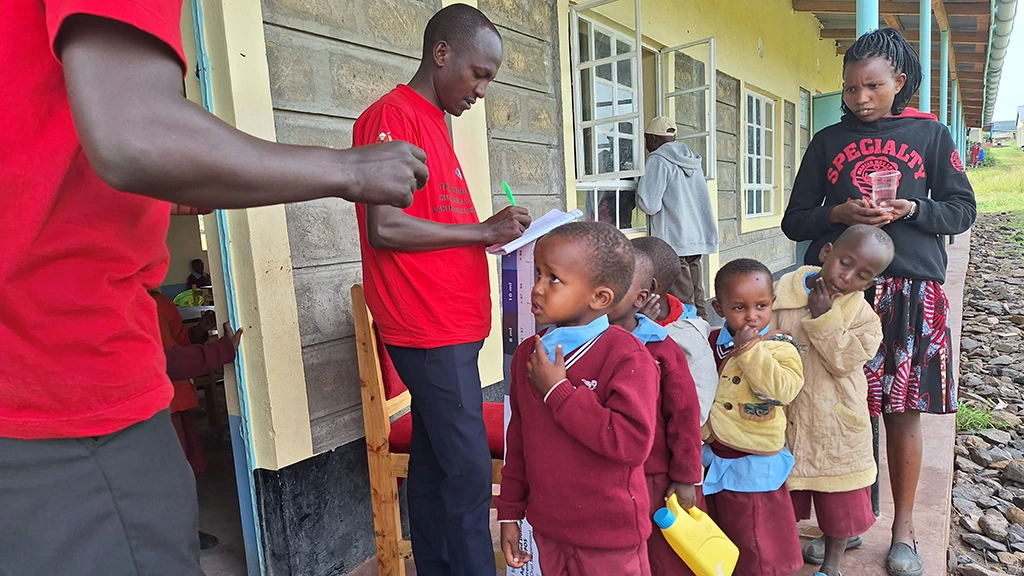
In Kenya, we work with government partners to distribute antibiotics to regions where trachoma is endemic. These antibiotics help prevent infection and can help clear up existing infections.
Children line up to receive a dose of trachoma-preventing antibiotics during a Mass Drug Administration event in Narok County, Kenya in January 2024.
And because trachoma spreads quickly in areas where water is scarce, part of our approach is to make sure that people in our partner communities have access to a clean water source – by repairing and drilling water boreholes.
In the past couple years, we’ve focussed on training groups of local volunteers – called “Area Pump Minders” – in hand pump maintenance. That way, when a village borehole breaks down, someone in a nearby community will be around to fix it quickly. Throughout 2024, we hired on some of the Area Pump Minders we’d already trained to repair 129 boreholes – benefiting the nearly 130,000 thousand community members who depend on them.
Managing glaucoma one day at a time
Glaucoma is a tricky condition that often goes unnoticed until the damage is already done. Caused by increased pressure within the eye, it affects the optic nerve at the back of the eye, resulting in loss of nerve function and peripheral vision.
This often occurs painlessly, making it hard to detect. And any vision loss caused is generally considered irreversible. But if glaucoma is diagnosed early enough, it can be treated and managed with eye drops and medication, as well as regular checkups.
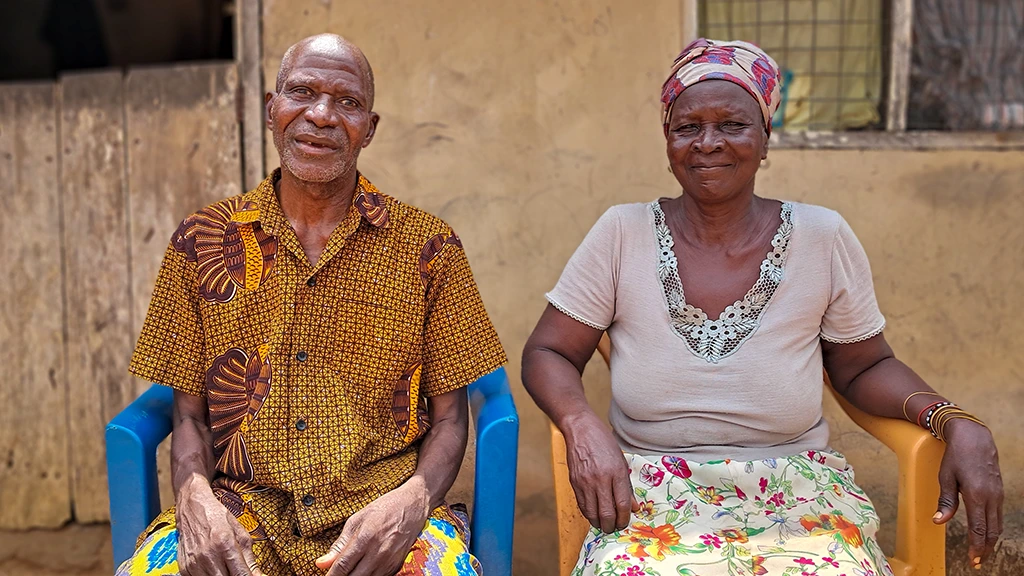
Ayetu, a farmer in Ghana’s Central Region, first noticed that he was having problems with his vision several years ago. After visiting the hospital, where he got a diagnosis of glaucoma, he started using eye drops. But finances were tight, and he found it difficult to pay for the medicine and attend his monthly appointments. Eventually he gave up and turned to herbal remedies, and when he did, his vision worsened.
Ayetu and his wife, Adwoa, sit in front of their home in Adawukwa Fianko, Ghana. The 84-year-old was at risk of losing his sight entirely because he couldn’t afford the medication he needed to manage glaucoma. Thanks to our program, he is now getting the eye drops he needs to manage the condition - free of charge.
In 2022, we started a community health project with the Winneba Municipal Hospital. Glaucoma patients with financial difficulties, like Ayetu, were told that their medication and appointments would be given free of charge – thanks to the generosity of donors.
When Ayetu found out he could get his medication once again, he felt enormous relief. He had worried about going totally blind, leaving his 75-year-old wife to manage the household on her own. Now, he says that the pain and tearing in his eyes has ceased, and the pressure has stabilized. “I was overwhelmed with gratitude when I started receiving these medications every month,” he says.
Retinopathy of Prematurity – a condition that robs children of their eyesight
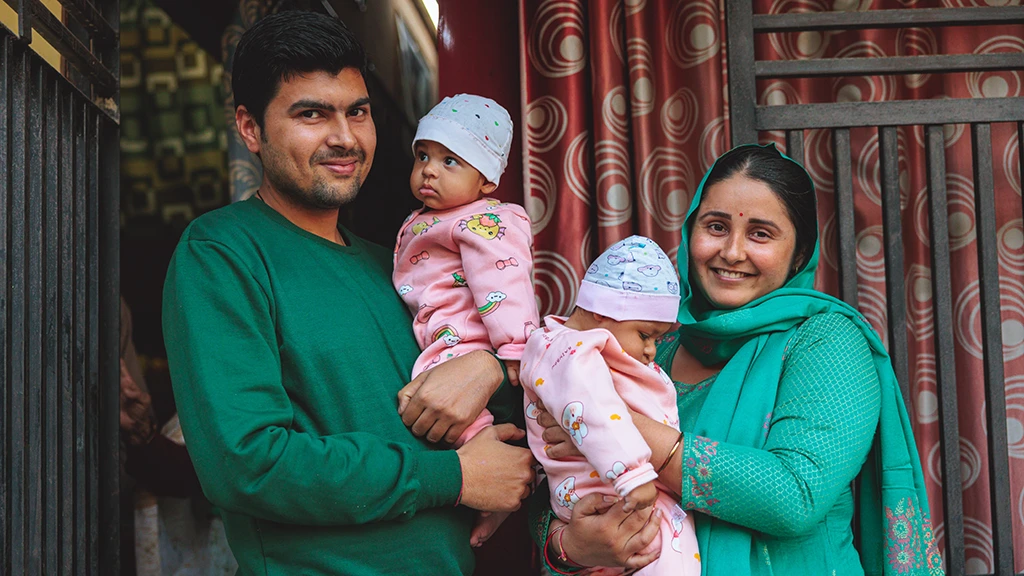
Today, little Ayan and Vyan in India have a bright future ahead of them – but as infants, these twin girls narrowly escaped a life of blindness.
Born two months early in June 2022, the girls weighed just three pounds each and suffered from lung infections. They were rushed to a nearby Neonatal Intensive Care Unit (NICU) in their city of Moradabad where they were stabilized. While there, the doctor treating the girls recommended that they undergo screening for Retinopathy of Prematurity, also known as ROP.
Retinopathy of Prematurity, as the name suggests, is a condition that can occur in preterm and low-birth-weight babies. It causes abnormal growth of the blood vessels that attach to the retina, which leads to later vision loss if left untreated. It’s difficult to detect, and in the worst case scenario it can cause a child to go suddenly, irreversibly blind.
Since 2022, we’ve been working closely with our partners at the C. L. Gupta Eye Institute to screen and treat preterm infants throughout Moradabad and its surrounding districts for ROP. The Retinopathy of Prematurity Eradication Project runs a fully-equipped mobile screening van. A highly trained optometrist makes rounds of all the local NICUs, screening babies for ROP, treating simple cases and referring more complex cases back to the base hospital.
Ayan and Vyan with their father, Vinit, and mother, Anchal, in January 2023. The twin baby girls were diagnosed and treated for Retinopathy of Prematurity at our partner hospital, the C. L. Gupta Eye Institute.
Little Ayan and Vyan underwent screening, and both were diagnosed with severe ROP. At just five weeks old, they underwent eye injections, followed by laser treatment. Now, thanks to regular checkups, their condition has been addressed, and the little girls can live up to their full potential with their vision intact.
These twin girls are just two of many infants that have benefited from increased ROP screening in their community. In 2024, we expanded the program to 28 NICUs in five districts across the region, enabling us to screen an additional 1,500 infants for ROP and provide treatment for 400 of them.
Putting futures in focus with prescription eyeglasses
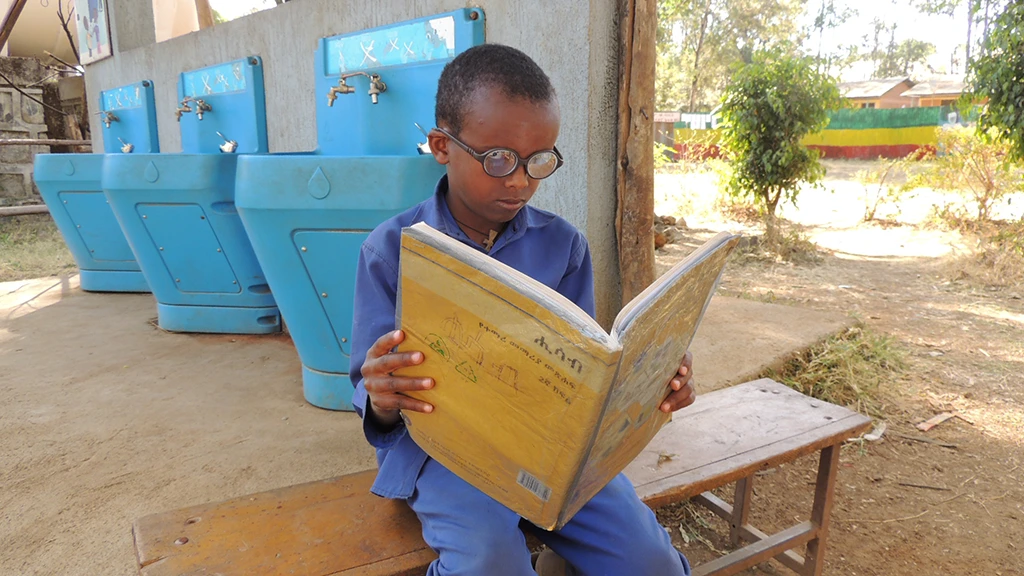
At just eight years old, Fassikaw in Bahir Dar, Ethiopia decided he’d had enough of school. His eyes were always watery, he couldn’t read the blackboard, he had to hold books just inches from his face and his grades were suffering as a result. He told his parents he wanted to quit.
His parents didn’t let him leave school, and when they heard about a school eye health program that was offering free diagnosis and eyeglasses to students, they jumped at the chance. They took Fassikaw to our partner hospital where they learned that he needed strong corrective glasses. Thanks to Partners in Education Ethiopia and our generous donors, he received the eyeglasses at no cost. Now that he can see, Fassikaw is finding school much more engaging, and his grades are on the rise.
Fassikaw can read much more easily now that he has a pair of prescription eyeglasses. Prior to diagnosis, the eight-year-old boy in Bahir Dar, Ethiopia did not want to go to school.
What the little boy probably doesn’t know is that vision impairment like his prevents a lot of children around the world from finishing their schooling. In fact, children with vision loss are up to five times less likely to be enrolled in formal education in low-and middle-income countries, and a pair of glasses can reduce the odds of failing a class by as much as 44 per cent.
That’s why we help run school eye health programs, reaching children right where they need vision care the most – in the classroom. By training teachers and school health coordinators in primary eye care, we’re able to screen thousands of students in just days, quickly identifying those with possible vision loss for further referral. That way we can help more students like Fassikaw stay in school and thrive in life.
Adults, of course, also suffer from refractive errors, and sometimes providing a pair of reading glasses or prescription eyeglasses can change the course for an entire family. Take Junmoni’s story as an example. The mother of two in India helped support her family’s income by doing handloom weaving from her home. But as she got into her forties, she found it harder and harder to see the intricate patterns she was weaving. In despair, she was readying herself to sell off her handloom when she was surprised one day by a knock on the door. A visiting community health worker did a quick vision screening test and told Junmoni she likely just needed a pair of glasses. With a referral in hand, Junmoni visited one of our eye screening camps where she got a diagnosis and a pair of prescription bifocals all free of charge. Now she’s weaving again and saving up so she can send her young daughter to college.
Junmoni in India was ready to sell off her handloom before getting a pair of prescription bifocals. Now the mother of two is back to her weaving and saving money for her children’s education.
We can provide eyeglasses to people like Junmoni and Fassikaw, with all associated expenses, for about $20 dollars apiece. In 2024, we distributed more than 270,000 pairs of eyeglasses – that’s a lot of lives transformed.
Addressing the global burden of cataracts
Across the world, more than 17 million people are blind due to cataracts, and cataracts cause another 34 million people moderate to severe vision impairment. But they are easily treated. A simple day surgery, one per eye – at the cost of about $75 Canadian dollars – can restore vision.
Despite that, millions around the world aren’t getting the surgery they need. The barriers are innumerable but usually include lack of financial resources to pay for the surgery, and lack of transportation to access the healthcare system. That’s why we work in rural, remote and underserved communities, identifying eye conditions like cataracts on people’s doorsteps and connecting them to the healthcare system – then ensuring that their treatments and transportation are subsidized or provided free of charge.
For someone like 85-year-old Esther in Kenya, a visit from a community health promoter made all the difference. Living in the remote village of Sitet, Esther struggled to get together the money just to visit the nearest hospital, let alone pay for the appointment.
About 10 years ago, when Esther was chopping wood, a log bounced up and hit her in the left eye. The pain was extreme, but she decided to wait and see what happened. A week later, in unbearable pain, she travelled to the hospital for help. There she received pain medication and a referral to an eye hospital. But by then, she was out of money. She went home and the vision in her left eye never recovered.
Three years ago, she started to notice the vision in her right eye was also fading. Soon, she could no longer manage her household, and her daughter had to move in with her.
“She had to leave her home to stay with me and help,” says Esther, about her daughter. “At some point, I just wanted to die… I didn’t want to hold her back from her life.”
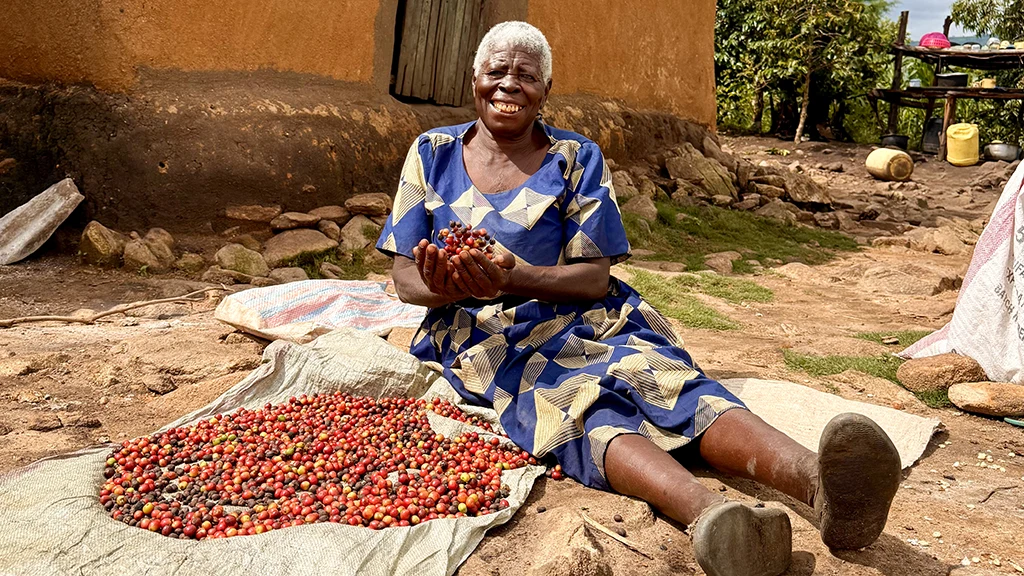
Esther can harvest her own coffee beans again, after getting cataract surgery on her right eye. The 85-year-old from Nandi County, Kenya is overjoyed to have her independence restored.
One day, hope arrived in the form of a community health promoter who knocked on Esther’s door. The health promoter referred her to an eye screening camp, where she was diagnosed and referred for cataract surgery on her right eye. Unfortunately, the damage to her left eye was irreversible, making treatment of her right eye even more essential. As part of our program, Esther’s transportation, appointments and surgeries were all paid for, thanks to the generosity of our donors and partner, Johnson & Johnson.
Today, Esther is back to living independently – visiting friends, walking to church and picking and drying her own coffee beans.
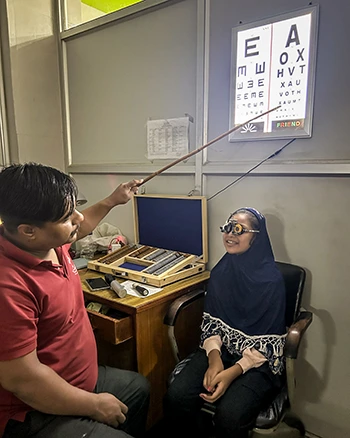
Zara in Nepal has her vision assessed before her second cataract surgery. The 12-year-old travelled twice to the Nepal Eye Hospital in Kathmandu for the operations and for follow-up care.
Every year, the community health workers we train bring hope to thousands of seniors like Esther who once believed blindness was inevitable. In 2024 alone, community health workers helped us restore sight by making referrals for more than 230,000 cataract surgeries – giving people back their independence and dignity.
Seeing care through to the end
Our model offers patients the full continuum of care – from screening and diagnosis, through treatment, to follow-up. After surgery, our teams make home visits to check on healing, answer questions and make sure patients attend follow-up appointments. This helps us troubleshoot issues early and keep recovery on track.
For cataract patients, follow-up is especially important. When someone has cataracts in both eyes, we often schedule surgeries several weeks apart. That gap gives time for healing and reassessment, because the outcome of the first surgery can guide the second.
Eye surgery changes lives, but recovery looks different for everyone. By staying with patients through every step, we prevent complications, improve outcomes and build trust. When communities know we’re here for the long haul it makes our work more sustainable, with healthier futures for all.
Prevention is key to transforming lives
Vision loss doesn’t have to be inevitable. From Napolo in Kenya to Ayetu in Ghana and little Ayan and Vyan in India, these stories remind us that blindness can often be prevented or treated when care is accessible. Through community outreach, early diagnosis and partnerships that remove the financial and geographic barriers, we’re restoring sight and transforming lives. But the need is still great. Millions of people remain at risk simply because they lack access to basic eye care. Together – with continued support and collaboration – we can ensure that no one is left in the dark. Donate today to help us in our mission to prevent blindness and restore sight.
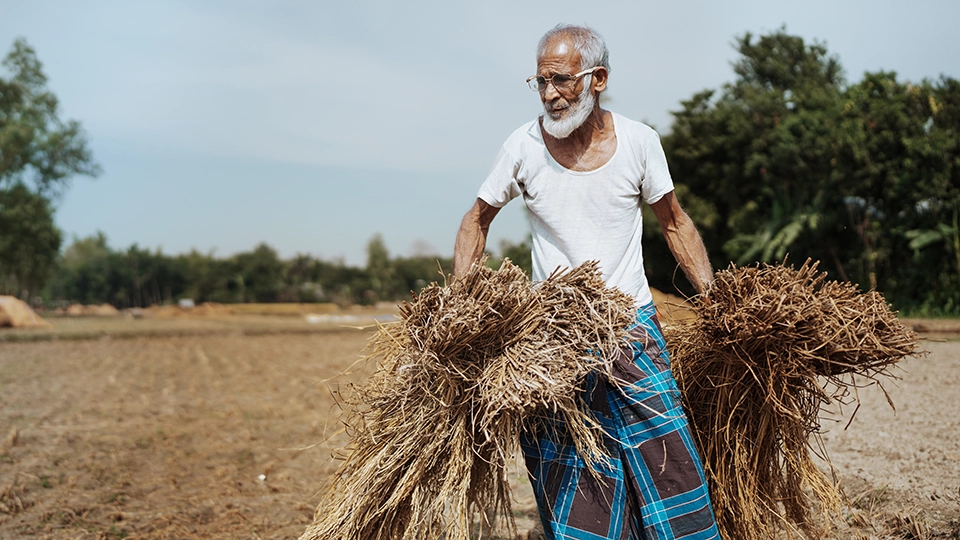
At age 70, Saidur in Bangladesh continues to work on his farm to support his large, extended family. He knows that without his income, his family’s finances would be spread too thin.
But in recent years, farming became increasingly difficult for Saidur as his vision weakened. “It was as if everything had turned dark and blurry,” Saidur recalls. Eventually, his eyesight became so bad that he could no longer work at all. He felt helpless, stuck at home, worrying about the family’s future.
When a community health worker showed up on the family’s doorstep, announcing that she would examine the family’s eyes, Saidur felt the first stirrings of hope. When it was his turn for a screening, the health worker quickly identified him with bilateral cataracts. She explained to him that treatment was available at our partner facility, the Dr. K. Zaman BNSB Hospital in the nearby city of Mymensing, and that he could get the surgery free of charge.
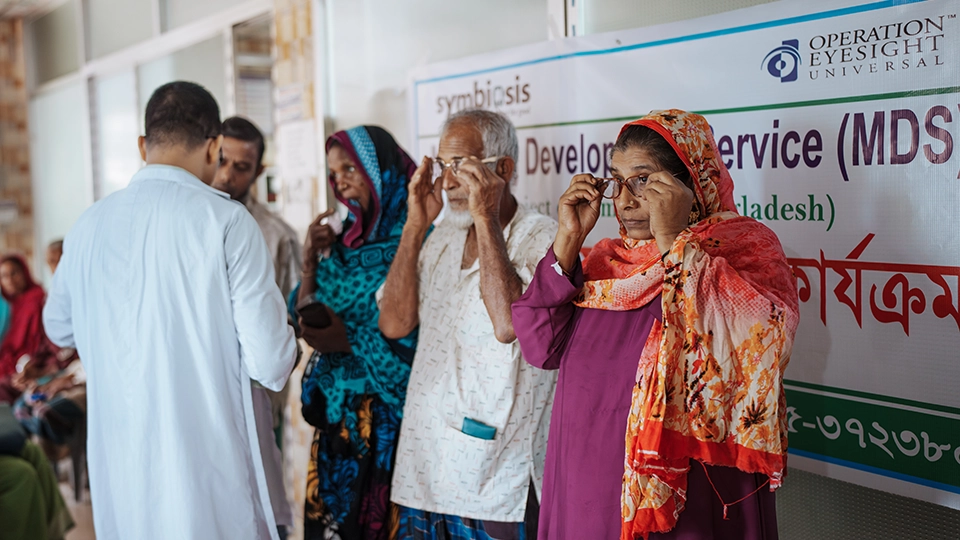
Saidur tries on his prescription eyeglasses, alongside other cataract patients, at the Madarganj Vision Centre.
The idea of travelling to the city for surgery was daunting to Saidur, who had never undergone an operation before, but encouraged by the support of the community health worker and his family, he decided to take the leap and committed to getting it done.
After his cataract diagnosis was confirmed at the nearby Madarganj Vision Centre, which we helped establish in partnership with Symbiosis International, Saidur travelled to Mymensingh for his surgery. When the bandages were removed, he was amazed by the results. The world was once again vivid and clear, and he felt the burden of his worries lifting. He received a pair of eyeglasses to further correct his vision, and he soon returned to his farm work – his independence and sense of purpose restored.
Saidur is back working in the fields, with a renewed sense of purpose, after getting cataract surgeries on both eyes.
After that, Saidur found himself telling anyone who asked about his miraculous transformation. “I’ve already referred at least seven to eight people with eye problems to the vision centre,” he says proudly. “If anyone in my community has vision issues, I will personally take them there.”
Saidur credits the dedication of the community health worker and the team at Dr. K. Zaman BNSB Hospital for their compassionate care, and he is grateful for the financial support for the surgery. “Their care and kindness were beyond measure,” he adds. “I’m very happy to be able to see my grandchildren.”
Now, with his vision restored, Saidur is filled with gratitude and determination to help others access the same life-changing care.
Donate today to help us prevent blindness and restore sight in more people like Saidur.
When I first met Mary*, she told me how she had been blind since 2012. She had started losing her vision when she was very young – when she was a new bride and expecting her first child. Living in a rural area, far from any hospitals, she went to a traditional healer for help but continued to lose her sight. People whispered that she must have been doing witchcraft that backfired on her… asking what else could explain blindness in someone so young. Believing the witchcraft rumours, Mary’s husband left her before the baby was born. Her family abandoned her too. The only person who helped Mary was her niece, who has been supporting her and her child all this time.
When the niece heard that Operation Eyesight was offering free eye exams, she brought Mary to a surgical camp we were hosting. After all her years of alienation, Mary had little confidence in getting her sight restored, but she agreed to a checkup in hopes that it would reduce the eye pain she was experiencing. The team diagnosed her with bilateral cataracts and recommended surgery, which she agreed to.
I went to check on her in hospital shortly after her bandages came off. I was initially disappointed because she kept saying, “No, I can’t see you. I can't see anything.” Worried something had gone wrong with the operation, I called her over to see the doctor, when she finally said, “Actually… I can see you, but I’ve been blind for so long, I thought I was imagining you! I’ve been able to see you the whole time.”
She erupted into laughter, then tears. Her niece joined in.
We escorted her home by public bus, and the whole time she was pointing and smiling at things she saw rushing by through the window. She said her greatest excitement was seeing the face of her daughter – now 12 years-old – as soon as she got home.
*name has been changed to protect the patient’s privacy
Candy Siadibbi joined our Zambia team in 2022, first working in the Lusaka area before relocating to Mkushi, in Central Province. She has a bachelor’s degree in psychology and public administration from the University of Zambia. Before joining Operation Eyesight, she worked as a research assistant, freelancing with various nonprofit organizations.
In the District of Netracona, the local vision centre is a lifeline for the community.
Located in the northern part of Bangladesh, many in the area experience poverty and lack access to basic necessities. Opened in 2021, the vision centre is a critical link that connects residents with eye health screening, prescription eyeglasses, specialist referral and other health services.
A bird’s eye view of the town’s skyline reveals one more thing that sets this vision centre apart: it’s covered in solar panels.
Powering a vision centre through a solar array is a forward-thinking solution in a country that stands at the forefront of climate change. Each year, Bangladesh faces rising sea levels and erratic weather patterns. Frequent floods, cyclones and droughts threaten not only the livelihoods of millions but also people’s health and well-being.
“In many ways, Bangladesh symbolizes the urgent need for global climate action,” explains Kashinath Bhoosnurmath, President & CEO of Operation Eyesight. “Changes in the environment have an impact on eye conditions and also present new challenges to healthcare systems. We need to take note and adjust the way we deliver care.”
Together with communities, we are setting a new standard in how healthcare systems can operate sustainably, improve lives and protect the planet.
The climate-eye health connection
Our eyes are incredibly delicate and sensitive organs, and emerging research confirms that eye health is susceptible to the environmental impacts of climate change. This is echoed by our healthcare staff and volunteers, working on the ground and in the community, who frequently witness firsthand the effects of climate change on public health. Extreme weather events such as wildfires, floods and dust storms disrupt access to essential eye care services and can cause direct eye injuries. Climate-related issues such as air pollution and drought can also increase the risk of various eye conditions.
Air pollution, for instance, is associated with a rising incidence of conjunctivitis and allergic eye reactions. And worsening wildfire seasons mean that heavy smoke more frequently blows into towns and cities, leading to complaints of burning, gritty and irritated eyes. What’s worse is that experts say the long-term effects of smoke on our vision are unclear. Studies out of China and India show that persistent exposure to high levels of pollutants made up of fine particulate matter, called PM2.5, is linked to an increased risk for age-related eye diseases like glaucoma and macular degeneration. While those studies focused on industrial pollutants, fine particular matter (PM2.5) is also a component of wildfire smoke.
In addition, the increase in ultraviolet (UV) radiation due to ozone depletion is linked to a higher risk of cataracts and other vision-threatening conditions.
The World Health Organization has identified climate-driven diseases, such as malaria and dengue fever, as potential contributors to visual impairment. Over the long term, droughts caused by climate change often result in food shortages, which are linked to vision loss.
In sub-Saharan Africa, where trachoma is a leading cause of blindness, climate change could worsen both the prevalence and severity of this disease. Since trachoma disproportionately affects women and girls, the climate crisis has broader implications – not only for eye health but also for development issues like gender equality.
The United Nations Sustainable Development Goals (SDGs) provide a blueprint for a more peaceful, prosperous and sustainable future, recognizing that Climate Action (SDG 13) is inextricably linked with other goals, such as those prioritized by Operation Eyesight: education, access to fresh water, gender equality, and good health and well-being.
“Climate change is both an environmental issue and a human health issue that is being felt across the eye health sector,” Kashinath says. “As the climate crisis intensifies, healthcare systems, especially those in low- and middle-income countries, must adapt to meet new challenges.”
Staff and volunteers at the Iten Eye Unit did their part to create greener spaces by planting trees around the Iten County Referral Hospital in 2023. The Kenyan government aims to get citizens to help plant 15 billion trees over 10 years to combat climate change and deforestation.
A green approach to eye health care
Solar panels are just one example of how eye health services in the community can take steps to reduce greenhouse gas emissions, reduce carbon footprints and mitigate the effects of climate change.
In Elgeyo-Marakwet County, Kenya, our teams at Iten Eye Unit planted seedlings to help celebrate the first-ever National Tree Planting Day in November, 2023. Located in the arid western part of Kenya, where deforestation, overgrazing, soil erosion and water shortages have led to widespread desertification, it’s a step in the right direction.
Bringing access to clean, fresh water to communities in sub-Saharan Africa has been one of our key strategies to improve health and reduce the transmission of blinding trachoma. In addition to educating communities about the importance of washing their hands, faces and clothes to reduce the transmission of disease, ensuring communities have access to sustainable, local water sources brings many other benefits as well.
In recent years, we have helped train dozens of Area Pump Minders on how to repair the boreholes in their areas, maintaining water and sanitation infrastructure in our communities of work. In 2024, we rehabilitated 129 boreholes, keeping the clean water flowing for more than 129,000 people in Zambia.
For example, in Zambia’s arid Sinazongwe district, families who once faced food shortages due to drought are now able to grow backyard gardens, thanks to our work rehabilitating and drilling water boreholes.
By bringing access to fresh water and educating communities about the importance of water conservation, sanitation and hygiene, we’re improving health outcomes and empowering communities to reverse the effects of desertification in communities across sub-Saharan Africa.
“Sustainability goes hand-in-hand with empowering communities,” explains Kris Kelm, our Global Director of International Programs. “By educating communities on hygiene practices and supporting freshwater initiatives, we are enhancing the resilience of not just communities, but entire healthcare systems, in the face of climate change.”
Leading by example: local solutions to global challenges
Operation Eyesight is facing global challenges when it comes to climate change, but the solutions are driven by local communities.
“The climate crisis is having a very real impact on public health, and eye health is no exception,” Kris says. “Today, our work is focused on safeguarding eye health while minimizing the impact of our operations globally, and there is more work to be done.”
Public health and other development priorities will continue to be shaped by a range of issues, from food security to a shortage of healthcare personnel, to climate change issues.
“In coming years, the global eye health community’s response to climate change requires a thoughtful and coordinated approach from international organizations, as well as government agencies and policy makers,” explains Kashinath.
Kashinath says that more opportunities exist that will help address the eye health needs of underserved communities and drive environmental sustainability of operations, including:
Sustainable procurement practices for medical supplies, including buying local and opting for re-usable supplies rather than single use supplies;
Reducing travel through telemedicine and video conferencing;
Public health awareness and education that is focused on environmental sustainability as part of public health education;
Policy intervention through advocacy with government leaders;
Healthcare provider education and capacity building;
Purchasing energy efficient equipment; and
Safe disposal of bio-medical waste.
“This way, our work is not only improving access to quality eye health services but also contributing to a healthier planet,” adds Kashinath.
Operation Eyesight’s partnership with communities to integrate environmental sustainability is more than a response to climate change; it’s a vision for the future of eye health.
Read our five-year Global Strategy to find out how we plan to continue meeting the eye health needs of communities in the face of climate change. Donate today to help us bring sustainable eye health solutions to communities that need it most.
Fifteen-year-old Pushpita lives with her family just outside of Shivrampur, Namkhana in West Bengal, India. She has big dreams and knows that a good education will help make them come true, so she gives everything she’s got to succeed in her Grade 9 studies.
But Pushpita’s ambitions are overshadowed with worry when she arrives at school. She’s been silently struggling as she notices more and more that her vision is not as clear as it once was. Reading the blackboard has become challenging, but she keeps her worries to herself, hoping her eyesight will miraculously improve on its own.
Can you imagine being in class and the other kids raise their hands, eager to answer the teacher’s questions, excited to demonstrate what they’ve learned, while you can’t even make out what’s been written on the blackboard? Pushpita is isolated by her condition…
Until one day she shows up to school to see an eye screening camp, organized by Sundarban Eye Hospital with support from Operation Eyesight. Though she hesitates at first, Pushpita participates once she sees her peers doing the same. It is nice to feel like part of the group again.
And things get even better once her eyes are checked – Pushpita simply needs glasses! Thrilled that she’s found a solution to her problem, she hurries to the Namkhana Vision Centre to which she’s been referred.
Pushpita’s eyes widen with astonishment and she brims with happiness as she dons her brand-new glasses – her world suddenly comes into focus.
Thanks to the support of our donors and partners, Pushpita is now the first to proudly raise her hand in class. Not only has her vision improved, but she also feels confident and included again.
But there are many more people like Pushpita waiting for their chance to see the world in all its beauty and experience its possibilities.
Please donate today so we can continue to transform lives through the Gift of Sight.
Longtime donor Jonathan Huyer says the simplicity of our approach was what attracted him to Operation Eyesight’s work.
“I'm looking for the unsung heroes,” he says. “The ones that are quietly working away and making a massive difference, largely in places that we would never see firsthand. And yet the impact that they make is profound.”
The retired Calgary engineer, who now lives in Canmore, AB, first heard about Operation Eyesight 30 years ago, when an employee made a presentation about our work at his church. After learning more about our projects, Jonathan decided to get involved. He’s been donating ever since.
As a wildlife photography enthusiast, Jonathan, along with his wife Karen Booth, has travelled all over the globe. He says that visiting low- and middle-income countries, including some of those where we work, has helped them both develop a perspective on what life is like in struggling communities.
When the couple decided to pare down the list of charities they donate to, Jonathan said Operation Eyesight made the cut because of how far his donation dollars go.
“You're taking someone who is wholly dependent on others for their day-to-day living, and through a simple operation or treatment, you can turn them back into providers for that same household,” he says. “It's the economic well-being of their whole family.”
Thank you, Jonathan and Karen, for your longtime support! We simply could not do our work without the generosity of donors like you.
Calgary, November 9, 2023 – Charity Intelligence Canada has named Operation Eyesight one of the Top 10 Impact Charities for the sixth consecutive year, and one of the Top 10 International Impact Charities for the fourth year in a row.
Of the 850 charities reviewed in 2023, Operation Eyesight was among the top performers when it comes to positive change created by every dollar received through donations.
“Over the past 60 years, we have brought the Gift of Sight to millions of people globally,” says Kashinath Bhoosnurmath, President and CEO of Operation Eyesight. “Eye health is related to so many aspects of a person’s life. The Gift of Sight is the gift of an education, the gift of employment, the gift of independence and so much more. Thanks to our global community – comprised of donors, local partners, staff and volunteers – healthy vision is leading to opportunities for people to build brighter futures for themselves, their families and their communities.”
Operation Eyesight, which is celebrating its 60th anniversary, partners with local governments and hospitals to create local eye health solutions that address the root causes of vision loss, including lack of access to fresh water, gender inequality, and inadequate education and access to health services. By leveraging the unique strengths of communities, the organization helps to ensure its impact is felt long after it leaves a community.
Across the globe, more than one billion people are living with vision loss, of which 90 percent is preventable or treatable. In many cases, a simple eye exam and a pair of prescription eyeglasses are all that is needed to restore someone’s sight. Through community outreach and public health education, Operation Eyesight encourages people to seek health care, including eye care, when they need it.
Each year, Charity Intelligence evaluates charities based on donor reporting, financial transparency, funding need, cents that go to the cause and demonstrated impact.
Operation Eyesight is a Canada-based international development organization working to prevent blindness and restore sight. In 2023, Operation Eyesight celebrates 60 years of collaborating with local hospitals and government partners to prevent blindness and restore sight. Operation Eyesight invests in sustainable treatment, prevention and community development activities to address specific eye health problems as well as the root causes of avoidable blindness. To learn more or make a donation, visit operationeyesight.com | X/Instagram @OpEyesight | Facebook/LinkedIn @OperationEyesightUniversal
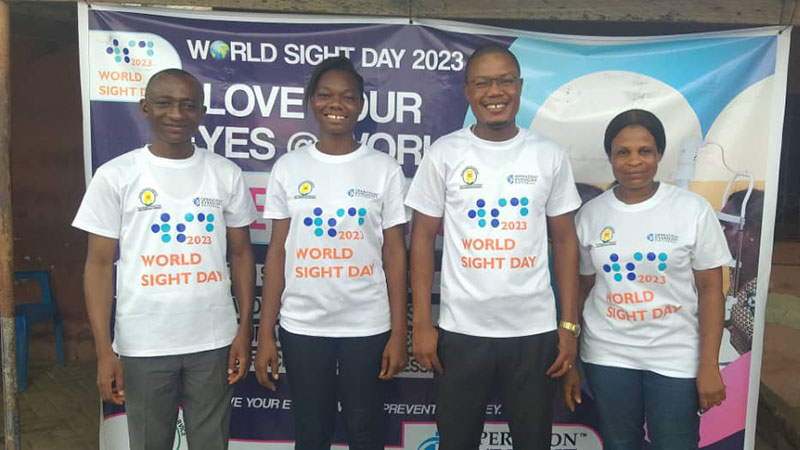
Calgary, Canada October 12, 2023– Today on World Sight Day, Operation Eyesight is reminding everybody, everywhere to love their eyes and prioritize their eye health.
This year, Operation Eyesight teams worldwide are joining the International Agency for the Prevention of Blindness and the global eye health community in focusing on the world’s workforce, reminding everyone of the importance of loving their eyes at work.
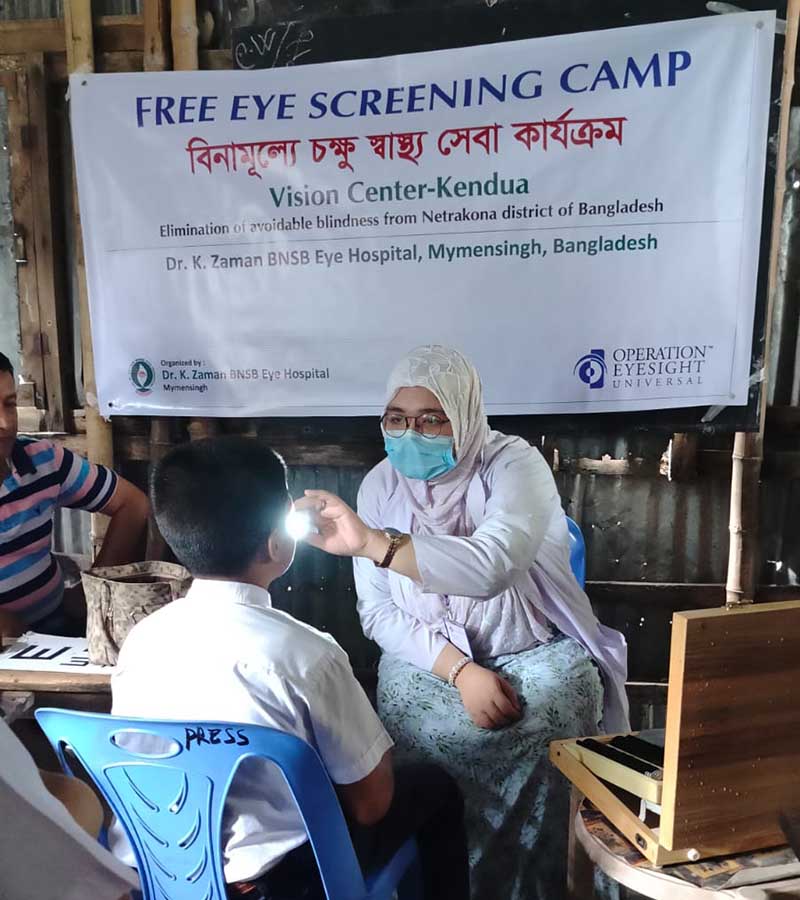
In partnership with the Dr. K Zaman BNSB Eye Hospital, our teams hosted a World Sight Day eye health screening at Netrakona Vision Centre, Bangladesh, screening 43 patients.
“Healthy eyes mean people can work, care for their families, support themselves and contribute to the economy. That’s why eye health at work is more important than ever,” says Kashinath Bhoosnurmath, Operation Eyesight’s President and CEO. “World Sight Day 2023 is extra special for Operation Eyesight, as we are also celebrating 60 years of preventing blindness and restoring sight.”
With the support of donors and partners globally, over the past six decades Operation Eyesight has transformed the lives of millions of children, women and men worldwide, by bringing sustainable eye health care to communities that need it most.
Isaac Baffoe, our Programme Coordinator in Ghana (left) and a team of screeners that included nursing staff from Saltpond Hospital held a free eye health screening for drivers and traders in Mfantseman Municipality, Ghana.
Unaddressed visual impairment continues to have a serious impact on workplace productivity, and a third of workers worldwide have uncorrected vision that could be improved. Additionally, people are working differently, including at home, and are also working longer hours.
Operation Eyesight is challenging everyone to consider the health of their eyes and to book their annual eye exam. Staff and employers can also visit operationeyesight.com/worldsightday for tips and resources on keeping eye health in focus in the workplace.
“Across sub-Saharan Africa and South Asia, our teams are marking World Sight Day with screening events at various workplaces, as well as celebrations with government and hospital partners,” says Dr. Ritu Ghosh, Operation Eyesight’s Global Director, International Programmes.
“We know that almost everyone on the planet will experience an eye health issue in their lifetime, but more than a billion people do not have access to eye care services to correct, treat or prevent vision loss. That’s why World Sight Day is such an important annual event.”
Operation Eyesight is a Canada-based international development organization working to prevent blindness and restore sight. In 2023, Operation Eyesight celebrates 60 years of collaborating with local hospitals and government partners to invest in sustainable eye health treatment, blindness prevention and community development.
World Sight Day, observed annually on the second Thursday of October, is coordinated by the International Agency for the Prevention of Blindness (IAPB) and supported by almost 200 IAPB member organizations, including Operation Eyesight.
For further information, please contact:
Colin Zak Communications Specialist Operation Eyesight Universal ZakC[at]operationeyesight.com @OpEyesight
As my summer work term draws to a close, I reflect on my experience as Content Writer and what I have learned from being part of the Operation Eyesight team…
Coming from a background in political science, the term ‘development’ occupies much of the emerging research in the discipline. However, nothing compares to connecting with those who are part of this complex process and gaining access to their insight. I wanted to share a behind the scenes look at my work, and the team I have had the privilege of connecting with.
My first week, I was invited to virtually ‘meet’ Dr. Geoffrey Wiafe, an ophthalmologist in Ghana, and learn more about his work. He is tremendously dedicated to his community and tuned in to the challenges that Ghana faces in meeting its eye health needs. This meeting inspired my first published piece and was a great introduction to the work we do at Operation Eyesight.
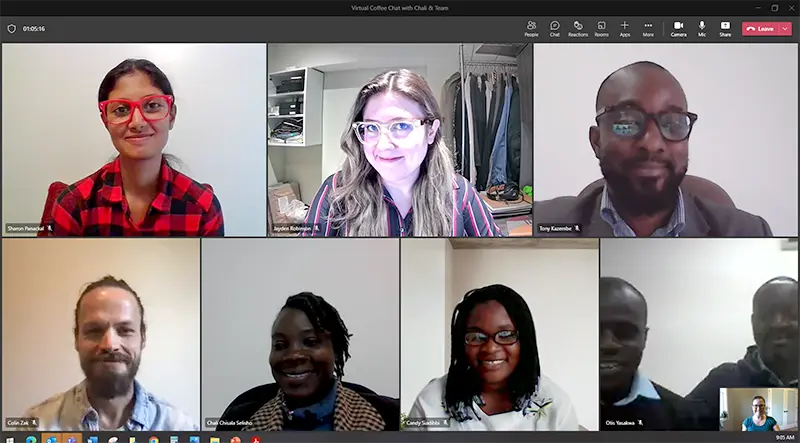
I also had the opportunity to meet Chali Chisala Selisho, our Country Director in Zambia, as well as some of the new members of her team. Each has an impressive background in the development sector and is passionate about increasing access to eye health care and addressing local needs.
Candy Siadibbi, our Project Officer in Matero, Zambia, shared a story about a man who was unable to walk unassisted due to his visual impairment. However, after receiving sight-restoring surgery he was ecstatic to be able to walk again on his own. Candy could hardly put into words how amazing it felt to see the outcome of our work. One cannot help but be inspired by this memory and the passion she has for eye health.
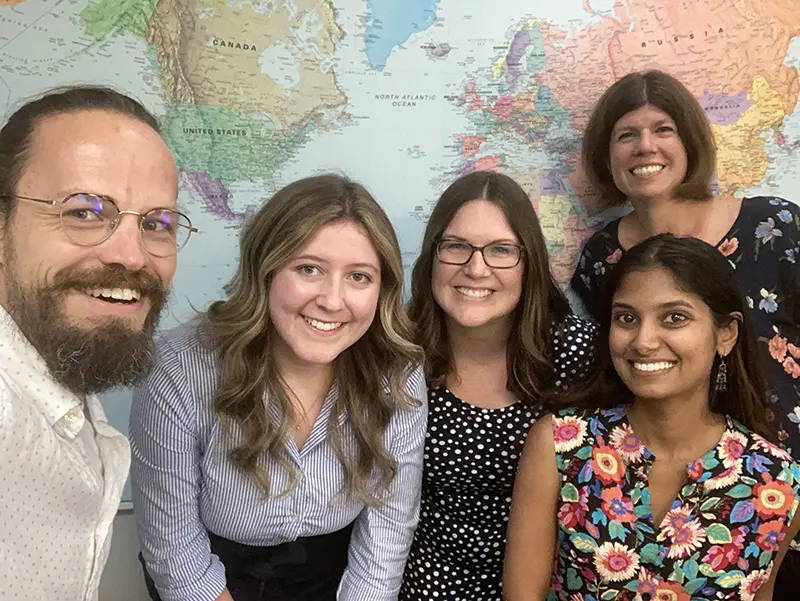
Our Marketing and Communications and Zambia teams connect virtually across time zones. That’s me (Jayden), top row, centre!
I had the privilege of being part of the Marketing and Communications team. It was a pleasure to gain experience in a collaborative environment and work closely with my colleagues. Each person brings a unique skillset and sense of creativity to the team, and I am so pleased to have had the opportunity to learn and grow alongside them.
I am also glad to have had the chance to connect with the leadership team, whose openness and compassion are remarkable. It is refreshing to receive feedback from individuals who are invested in the progress of their staff and are deeply engaged in their work. Dialogue flourishes at all levels, encouraging staff to voice their perspectives and support one another.
This type of collaboration is at the heart of the work we do at Operation Eyesight. The opportunity to learn from one another is not taken for granted. I was invited to join multiple team-wide meetings during my time here, where a wealth of insight was shared and discussed. What impressed me most, though, was how tight knit our global community is. Strong relationships exist across all time zones and departments. This level of personal connection and compassion extends to all our project areas and helps to build community rapport and engagement.
I am so grateful to have had the opportunity to make new connections, collaborate with the team, and sharpen my writing and research skills. International development remains a keen interest of mine, and I look forward to seeing future projects and innovations that are made at Operation Eyesight.
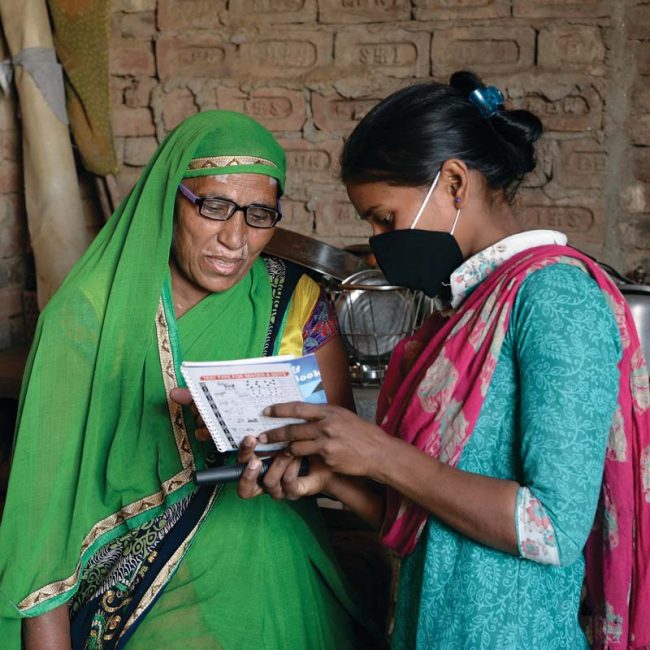
We recruit and train health workers and volunteers from the community, who provide vision screening, referral, health assessments and health education.
Across South Asia and Africa, these local eye health champions also reached nearly 800,000 people with education sessions about key health issues, like child and maternal health.
Sonam, community health worker, India
After Sonam’s mother received sight-restoring cataract surgery at one of our partner hospitals, she was inspired by the impact it had on her entire family.
“My mother’s surgery helped me experience the impact avoidable blindness can have on a family,” she says. “I was impressed by her visual outcome. I got free of my duties towards my mom and took up new responsibilities.”
In addition to now being able to work in the pasture and feed cattle, Sonam has been trained as a community health worker and joined our India project team.
Salina, community health volunteer, Kenya
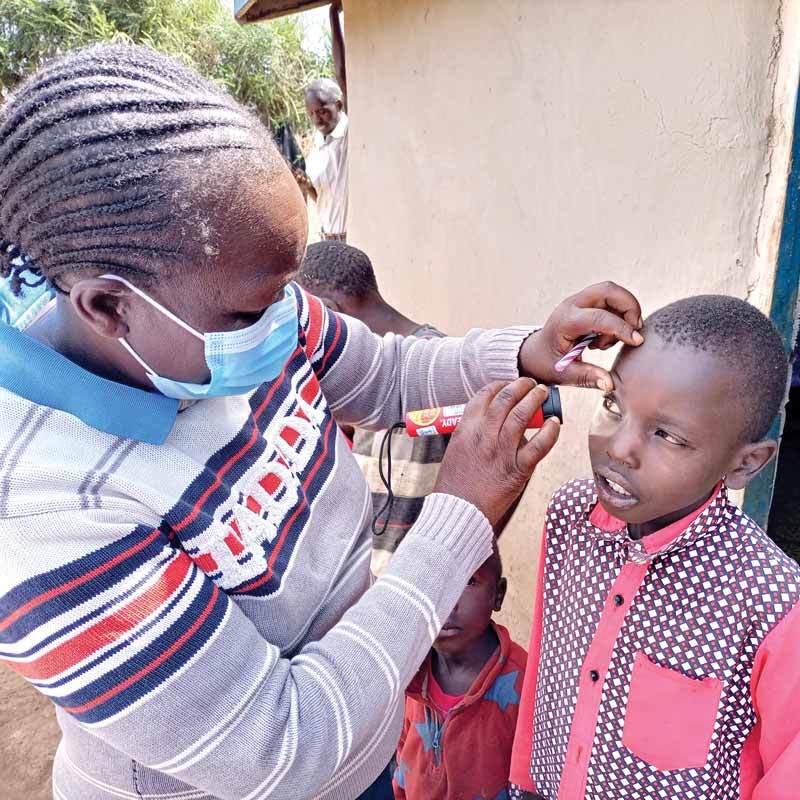
For Salina, what makes her work doing door-to-door screenings rewarding is the appreciation of patients and families in her community.
“Working as a community health volunteer makes me interact with the community, who appreciate the help they get through the door-to-door screening program,” she explains.