
Operation Eyesight is excited to announce our funding partnership with the United States Agency for International Development (USAID). With support from USAID’s Child Blindness Program, we will provide vision screening and treatment for 80,000 children in Kenya.
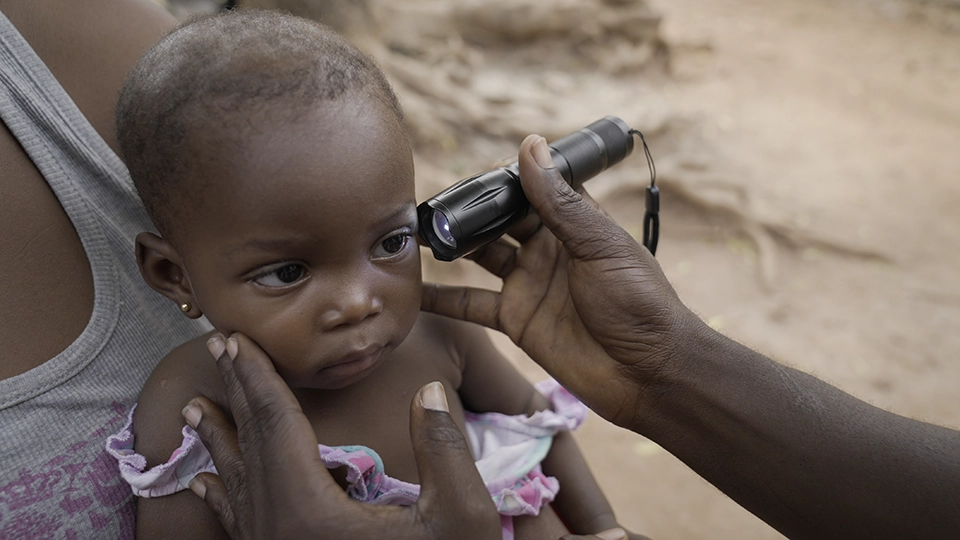
Our team in Kenya will work closely with the local Ministries of Health and Education, targeting 80,000 students and 3,000 teachers in three sub-counties of Uasin Gishu County over a two-year period. Twenty teachers will be trained to use Peek Vision, a smartphone-based technology used to identify students with eyesight problems. Eye screenings will be conducted in 200 schools. Students in need of eye care will be referred to a mobile ophthalmic triage team or the nearest eye health facility, and transportation will be provided as needed.
Essilor East Africa will be supplying Operation Eyesight with the prescription eyeglasses needed to ensure that children (and teachers) receive the vision correction they require. Children requiring specialized care, such as cataract surgery, will receive treatment at one of our partner hospitals. Our continuum of care approach will ensure that students receive the same level of quality care, regardless of their gender, treatment location or ability to pay. Referral information and appointment reminders will be sent to the students’ parents through automated text messaging.
“By investing in children’s eye health to treat diseases, correct refractive error and restore sight, we can transform lives, families and communities,” says Alice Mwangi, Country Manager for Kenya. “We know that women and girls are more likely to suffer from vision impairment and less likely than men and boys to receive treatment and care. Through this project, many of the barriers faced by girls such as cost and lack of transportation are addressed. We will educate teachers, parents, grandparents and health workers on the additional barriers faced by girls so they understand and can play a role in addressing these challenges.”
This program is the culmination of strategic partnerships and leverages expertise and resources from other organizations to promote the integration of eye health into Kenya’s primary systems. By engaging the Ministries of Health and Education during all phases, we can ensure ongoing support and sustainability of the program. Ultimately, our goal is to integrate these school screenings and referral mechanisms within the entire county school system and have the local ministries take ownership of it.
From 2016 to 2018, we conducted a similar school screening program in the neighboring Trans Nzoia County. Our evaluation showed that an integrated system of care significantly improved the overall hospital attendance rate among children referred from Peek Vision compared with the standard system. Our program in Uasin Gishu County builds on the lessons learned in the Trans Nzoia initiative and aims to not only provide quality eye health services to school children but to further refine the model for scaling up in Kenya.
As an international development organization, we’re working to address the root causes of avoidable blindness and foster good health and well-being overall. That is why we’re also happy to share that Eco-Soap Bank will be providing 100,000 bars of soap for children and teachers of the program, for use at school and at home. Proper hand and face washing with soap and clean water can help prevent the spread of COVID-19 as well as blinding trachoma and other disease.

About USAID’s Child Blindness Program
With an emphasis on quality and innovation, USAID’s Child Blindness Program prevents and treats blindness, restores sight and provides eyeglasses to thousands of people in the poorest communities of the world each year. The program’s investments and actions are strategically focused around two main goals: 1) To increase the number of children provided with quality vision-saving eye care services; and 2) To advance the global knowledge base on best practices and innovative approaches for pediatric eye care programs. Since 1991, USAID’s Child Blindness Program has provided eye care to over seven million children worldwide.
Facts on Child Blindness
Facts retrieved on February 23, 2021 from: https://www.usaid.gov/childblindness
This announcement is made possible by the generous support of the American people through the United States Agency for International Development (USAID). The contents are the responsibility of Operation Eyesight Canada and do not necessarily reflect the views of USAID or the United States Government.
Every time one of our community health workers interacts with a family during a door-to-door eye heath survey, she starts to collect data: the number of people in the house, their visual acuity scores, referrals given… and the list goes on. It all goes into a database so we can analyze the information and offer the community the best services possible.
As an international development organization and registered charity, we live in a world of data. The numbers we collect help us evaluate our programs, find efficiencies, show our impact and so much more. Our data builds trust with partners and donors, and it is the bedrock of one of our five programming areas: research and advocacy.
Thanks to our reputation as an organization that collects reliable data, we are increasingly being called on to participate in a variety of studies, and to add valuable input into policy decisions throughout the globe. Our growing credibility has opened doors to exciting opportunities, including leading major studies that shape national health strategies.
When Operation Eyesight began talks with Ghana’s Ministry of Health in 2006, with an eye on expanding our services into that country, what quickly became apparent was a lack of the kind of baseline data that we need when building our programs. After more discussions, it was decided that gathering that information would be one of Operation Eyesight’s first tasks in the country. Working with government ministries, along with several other organizations, we led the country’s first-ever National Blindness and Visual Impairment study.
At the helm of the study was our Technical Advisor, Dr. Boateng Wiafe, a widely respected ophthalmologist known for his decades of work advancing sustainable eye care across Africa.
Dr. James Addy, a co-investigator on the study and the former head of eye care with Ghana Health Service, recalls the lack of data at the time.
“We realized that we had only about two or three – not many – eye indicators in the platform that actually generates data for the country,” he says. “And from that study, we realized that 0.74 per cent of the population are blind … And then we had 1.07 per cent of the population having severe visual impairment. And so, putting everything together, it was about 1.5 million people who actually have visual problems.”
Published in 2015, the study continues to be a vital resource.
“The blindness and visual impairment study has been the go-to document for the government itself and all other non-governmental organizations working as far as eye health is concerned to plan their programs,” says Ghana Country Director Emmanuel Kumah, adding that it also informed the development of Ghana’s national eye health policy.
Data from the study was instrumental in the creation of the National Cataract Outreach Program, which offers quality cataract services to people in difficult-to-reach areas. The study’s findings also helped attract social enterprise and charitable eyeglasses providers to the country by proving the need for low-cost vision wear. Today, we’re looking for partners to help us update the nationwide study, ensuring Ghana’s eye health programs continue to be built on solid, current data.
An important part of our work is bringing eye care closer to underserved communities, which means establishing vision centres and eye units in collaboration with our partner hospitals. These facilities offer comprehensive eye exams, dispense eyeglasses, offer various treatments and refer more complex cases to the partner hospital. Some of these clinics are built in remote, rural areas, while others are established in busy, densely populated urban areas.
One of our urban vision centres is in a bustling, low-income neighbourhood in Pune, Maharashtra, India. To get a stronger understanding of its benefit to the community, the vision centre was the subject of a study led by the Community for Eye Care Foundation and members of our team in India. Over the four years of the study, 44,000 people living in the area were surveyed at two intervals by community health workers to track their eye conditions and their eye care-seeking behaviours.
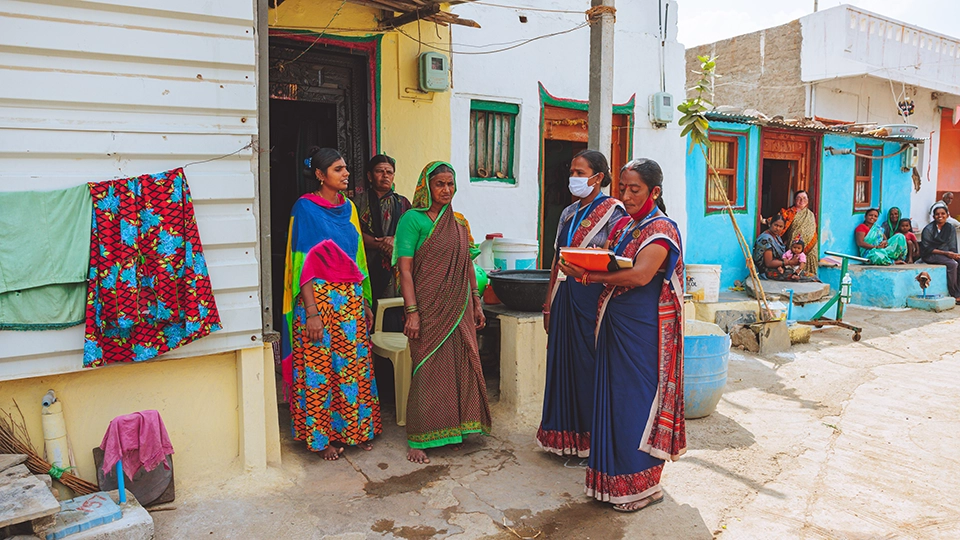
What they found is that the prevalence of blindness and visual impairment in the community was reduced by nearly 62 per cent over the four years. Women continued to have a higher prevalence of blindness, but the gender gap narrowed during that same time span. The study found that more women visited the vision centre than men, and that more people made themselves available for a repeat eye examination during the second door-to-door survey. The study’s authors attribute these changes to the gentle nudging of the community health workers through their door-to-door surveys, and the existence of a nearby vision centre served by a predominantly female staff.
Our own CEO, Kashinath Bhoosnurmath and former Program Manager Soumya Moosa (now a Teaching Assistant at the University of Southern Mississippi), were co-authors of the study, published in 2022 in the India Journal of Ophthalmology.
Our participation in health studies continues to grow, with Operation Eyesight on board to gather data in Kenya for a joint study, between the London School of Hygiene & Tropical Medicine and other partners, that’s investigating the economic benefits of correcting near-vision impairment (presbyopia) in adults.
The five-year study will look specifically at adults ages 35 to 65 with presbyopia by running two randomized controlled trials in India and Kenya. With 20,000 patients to be engaged across two countries, participants will either receive reading glasses at the outset or be placed in a control group without them, with the latter group receiving glasses at the end. The investigators will collect data at baseline, then one and two years in, to evaluate the impact that having – or not having – glasses has had on participants by looking at household spending, quality of life, employment, work productivity and income.
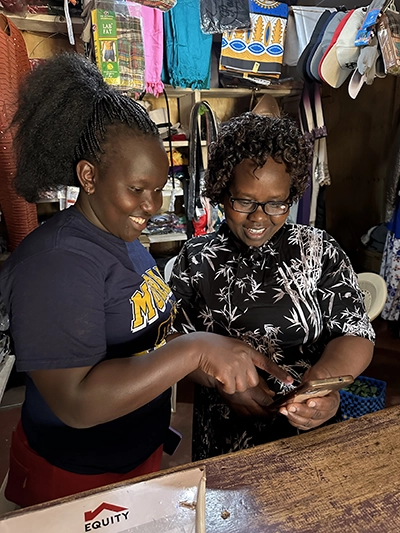
Operation Eyesight’s role is to identify patients to enrol in the study in Kenya – and to continue managing patients with other eye health problems that don’t meet the parameters of the study. Participants will be selected from Kisii County, where we’re already running community eye health programs.
Senior Program Manager Edwin Wanjala Simiyu is overseeing Operation Eyesight’s participation in the study.
“Operation Eyesight was selected to work on this study because of our historical engagement with Peek Vision, with whom we’ve successfully implemented several projects,” he explains, referring to our longtime partner who created the eye health technology that will be used to gather data for the study.
He adds that the study is helping us foster important new collaborations. “Partnerships bring on board new ideas that shape project implementation and impact. It also reduces the project unit cost due to shared responsibilities.”
Gathering evidence on the effectiveness and economic impact of eye health treatments – such as a simple, low-cost pair of reading glasses – helps us demonstrate to decision makers how they can improve lives and livelihoods through cost-effective solutions.
Using our insights to advocate for eye health care
Members of our international team are frequently invited to sit down with various government agencies to offer their knowledge – sharing lessons hard-learned through years of program delivery.
In Kenya, while focusing on the Universal Eye Health Coverage agenda, we worked with the ministry of health to review the World Health Organization’s Primary Eye Care Training manual to better standardize primary eye care delivery nationwide, while in Ghana, we participated in a joint press conference hosted by that country’s ministry of health ahead of World Sight Day.
In addition, we are increasingly being called upon to act as technical partners, where we share our expertise on creating and managing sustainable eye health programs. Over the past few years, our team in India has worked closely with the health ministries of state governments in Arunachal Pradesh, Madhya Pradesh and, more recently, Meghalaya to establish vision care facilities within already-existing government health centres, such as Health and Wellness Centres.
Now, we’re looking to spread awareness in Canada, where our head office is located, though our involvement in the National Strategy for Eye Care Act. The act, passed in November 2024, aims to provide equal access to eye health care services across Canada and to improve the prevention, treatment and rehabilitation of eye conditions for all.
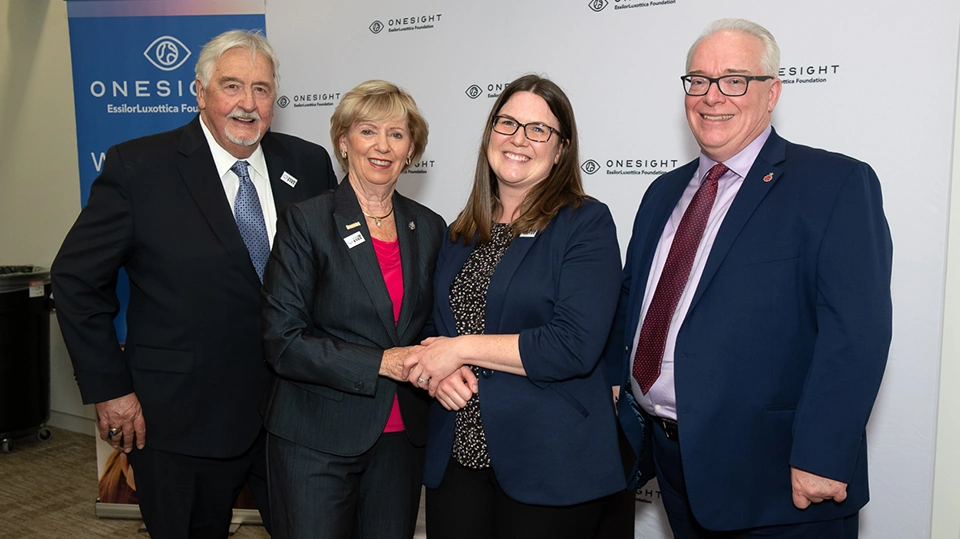
In Canada, vision care is covered by a complex framework of provincial and federal regulations, meaning that coverage varies widely between provinces and territories. For routine vision care – like eye exams and prescription eyeglasses – many Canadians need to pull from health insurance to cover the costs. Those who are uninsured may have to pay out of pocket. These inequities are what the act proposes to address.
Now, as the chair of the Canadian Eye Health Coalition, Operation Eyesight is helping shape the framework for the national strategy. That means meeting regularly with like-minded partners and policymakers to continue the important work of making eye health care more equitable and accessible across the country.
Global Director Kris Kelm says that we’re well poised to inform decisions because of our decades of experience delivering sustainable eye health programs.
“We have the opportunity to shape what the developing policy is going to look like and how it’s actually going to affect Canadians,” he says. “As a non-profit dedicated to eye health and ensuring equitable access for all – regardless of socioeconomic status – it’s critical that we’re part of the conversation.”
Operation Eyesight is also a proud member of IAPB, adding to the collective, global voice advocating for the prioritization of eye health. Next year, we will participate in the first ever Global Eye Health Summit, which will bring together governments, organizations and the private sector to foster collaboration and mobilize action.
As we continue to collect data from communities around the world, we’re not just measuring outcomes, we’re helping to shape them. Every survey completed and every study published brings us closer to a world where quality eye care is accessible to all.
Whether it’s through national studies, local program evaluations or global research collaborations, we remain committed to using data as a tool for change. As we keep pushing for fair and accessible eye health care around the world, we’re proud to build on the knowledge and trust we’ve earned from the communities we work with. After all, they’re the reason we do what we do – For All The World To See.
If you sprain an ankle or come down with a bad cough, your first stop is usually your family doctor. But when it comes to blurry vision, the path to care often looks very different. Around the world, eye health is still treated separately from primary health care, creating gaps that leave people without the vision help they need. Even in countries with universal health coverage, you might receive a complex eye surgery at no cost, yet pay out of pocket – or use private health insurance – for something as simple as a pair of eyeglasses.
At Operation Eyesight, we believe this needs to change. That’s why we’re working to strengthen areas of overlap between primary eye care and primary health care in our countries of operation. That means supporting the World Health Assembly’s integrated people-centred eye care (IPEC) resolution by working to integrate eye health into national health systems – and increasing access to free or subsidized eye health care.
It also means addressing the root causes of avoidable vision loss. In some regions in Africa, we bring fresh water and hygiene education to communities to help prevent infectious eye conditions. We also work to make sure our services offer more than just eye care, but can also link patients to other types of health care.
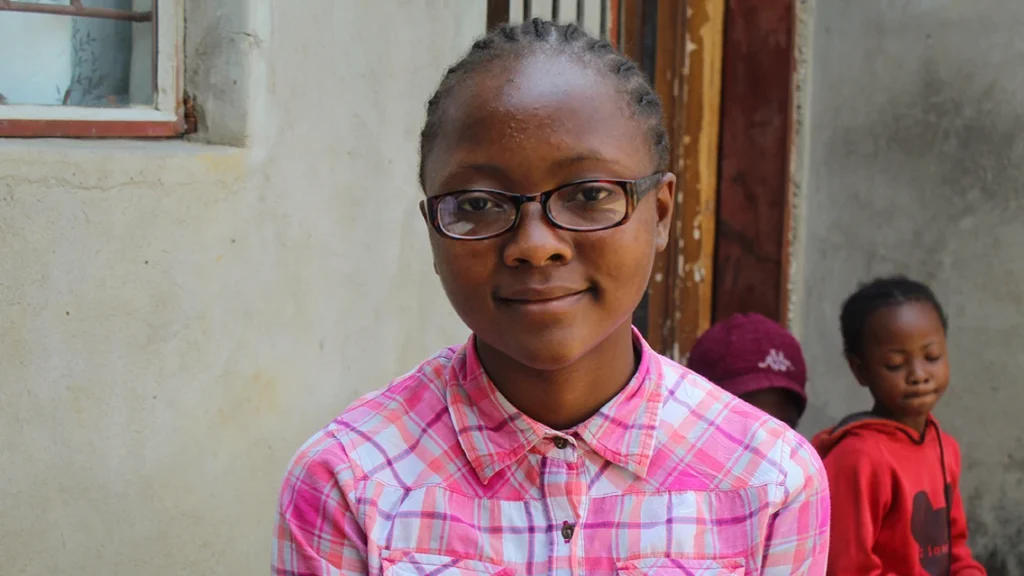
Health conditions rarely exist in silos – and vision loss is no exception. Diabetes, for example, increases the risk of eye conditions like cataracts. For 15-year-old Vanessa in Zambia, blurry vision was one of the first signs of the disease. When she started having problems reading the blackboard at school, a teacher sent her to our vision centre in her community of Matero for a checkup. From there, she received a referral to our partner hospital, where she learned that she not only had cataracts, but diabetes as well. Doctors helped her get her blood sugar levels under control, and then she got cataract surgery. Today, she is managing her diabetes and thriving in school, with dreams of becoming a doctor.
Vision problems can also cause a downward mental health spiral. Benson, a farmer in Kenya, lost his ability to work due to poor vision. As a result, he became angry and depressed, then turned to alcohol and drugs to cope with his situation. Luckily, his family got him into a drug and alcohol rehabilitation facility, where a visiting doctor diagnosed him with cataracts. Benson underwent surgery on both eyes, provided free of charge thanks to the support of our donors, and can see clearly now. Buoyed by his miraculous recovery, Benson finished up his time at the rehabilitation facility and happily threw himself back into farming.
In Canada, where Operation Eyesight is based, navigating eye care can be confusing. While the Canada Health Act covers medically-necessary eye health services, routine vision care like eye exams and prescription glasses often isn’t part of the deal. That leaves provinces and territories to fill in the gaps, and the result is a patchwork system. For example, seniors in Ontario get routine eye exams covered once they hit 65, but in Newfoundland and Labrador, those same seniors might have to pay out-of-pocket. It’s inconsistent, and it’s especially tough on vulnerable populations.
There is some support through the Federal Non-Insured Health Benefits (NIHB) program, which covers eye exams and eyewear for eligible First Nations and Inuit individuals. But even that has its hurdles: remote communities, limited healthcare infrastructure and cultural differences that make accessing care more complicated than it should be.
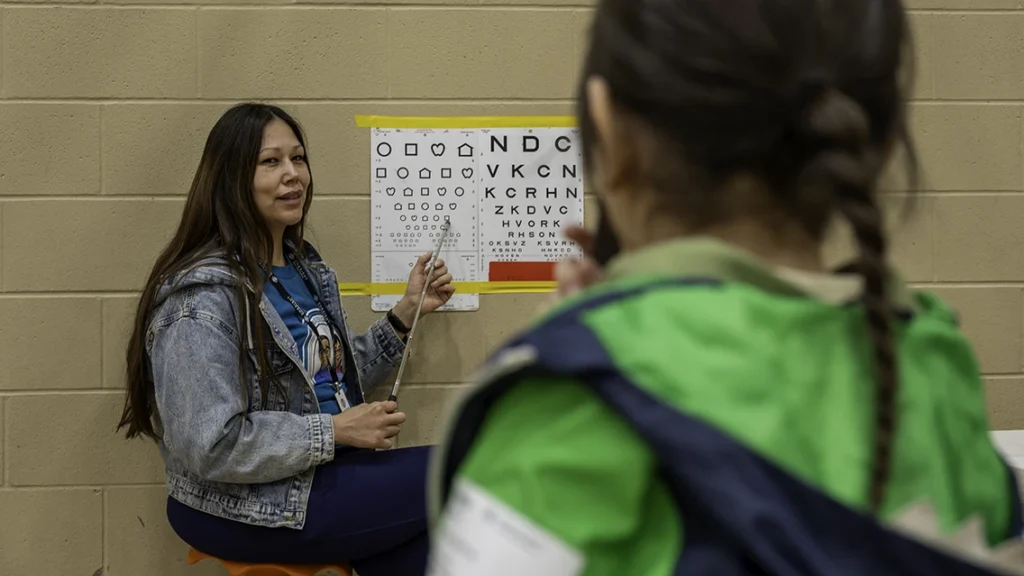
The passage of the National Strategy for Eye Care Act in 2024 was a major step forward in addressing these issues. As chair of the Canadian Eye Health Coalition, Operation Eyesight is helping shape a national framework that prioritizes equitable access to vision care. Our Global Director of International Programs, Kris Kelm, explains why it’s important that we have a seat at the table during the consultation period and beyond.
“We know that there will be many voices in this conversation with diverse interests, and we want to ensure there is representation from patients who have the least means and the least ability to access vision care,” he says. “The fact that we have over 60 years of experience working in this sector gives us a strong background to speak credibly to how we need to approach things in Canada, and our community partners can provide valuable insights to help shape eye care for all.”
He adds that Canada can learn from some of our countries of work, where eye health has been better integrated into the overall health systems and other public frameworks. As an example, he points to Ghana, where we work with the ministries of health and education to screen and treat students for eye conditions in the public school system. We have similar programs in Kenya and Zambia, too.
Another example is in India, where we are working with state governments to establish vision services in pre-existing government health centres. Building the capacity of vision care facilities within the country’s national health care system ensures that services reach the most underserved populations, as patients who are able to pay most typically seek care at for-profit facilities, rather than attending government services.
Shakuntala, in Madhya Pradesh, India, spends her days walking door to door through villages in her region, checking in on the health and well-being of families. She’s one of the million-strong network of Accredited Social Health Activists (ASHAs), employed by the Indian government, who deliver primary health care at the community level.
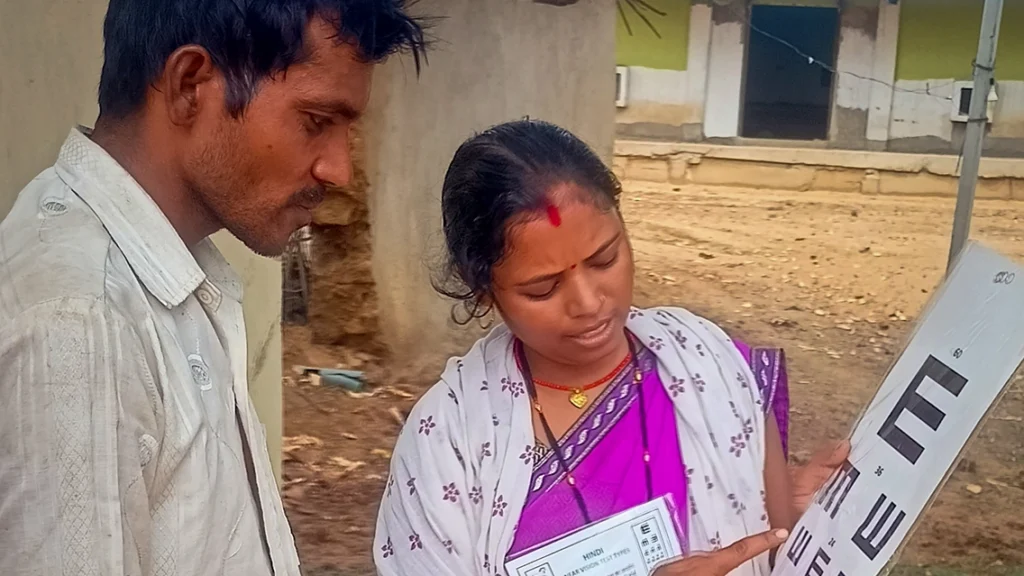
Her work includes providing pregnancy advice, supporting newborn care, educating parents about vaccinations and vitamins for children, and making all kinds of referrals to local clinics and hospitals. In 2022, Shakuntala added another set of skills to her toolkit: conducting primary eye health screenings, thanks to training provided by our Operation Eyesight team, in partnership with the Government of Madhya Pradesh. Shakuntala learned to measure visual acuity using an eye chart. She also learned to identify the signs and symptoms of various eye conditions. Once she identifies a patient with a possible eye condition, she refers them to the base hospital for diagnosis and treatment. In the meantime, she continues to provide advice and referrals on nutrition, vaccinations, prenatal care and other health concerns.
Shakuntala is just one of the thousands of community health workers we work with across the globe. In all our countries of work, we partner with existing health systems to recruit community health workers, mostly women, to help us deliver our programs. The health workers develop strong ties within the communities, resulting in high acceptance and trust in our programming.
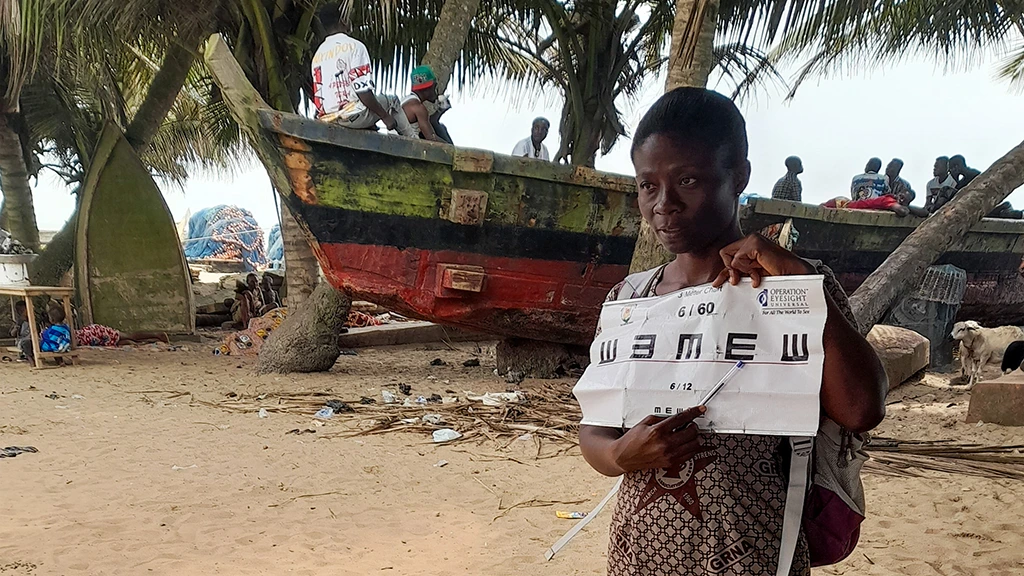
Mabel, a community health nurse in Ghana, was trained in primary eye care so that she could identify eye health issues in addition to her regular duties. She says that being able to screen people at their home allows her to reach many women and girls who probably wouldn’t have left the village to seek eye health care, due to household responsibilities.
Anyone who has had a case of pink eye knows that having red, inflamed and itchy eyes isn’t much fun. But in some parts of the world, an eye infection can be a much more serious problem. Trachoma is an infectious eye disease that leads to vision loss and blindness in millions of people across the globe. It spreads easily through contact with eye discharge from infected people on hands and clothing, and through flies. If left untreated, chronic infections turn the eyelid inwards, causing intense pain and scarring of the cornea, which can lead to irreversible blindness.
Trachoma is preventable, and clean water is key to curbing the spread. When communities have access to clean water, people can clean their hands, faces and clothing more often, which prevents it from spreading.
In countries like Zambia, we work with Water Affairs (the government department responsible for water) to drill, rehabilitate and repair boreholes near where people live, work and go to school, so that whole villages have access to clean water. We also provide training to local volunteers in these communities in WASH (Water, Sanitation and Hygiene) and borehole repair and maintenance to ensure the clean water continues to flow. In areas where trachoma is endemic, we also work with partners to distribute antibiotics, which both treats and prevents trachoma.
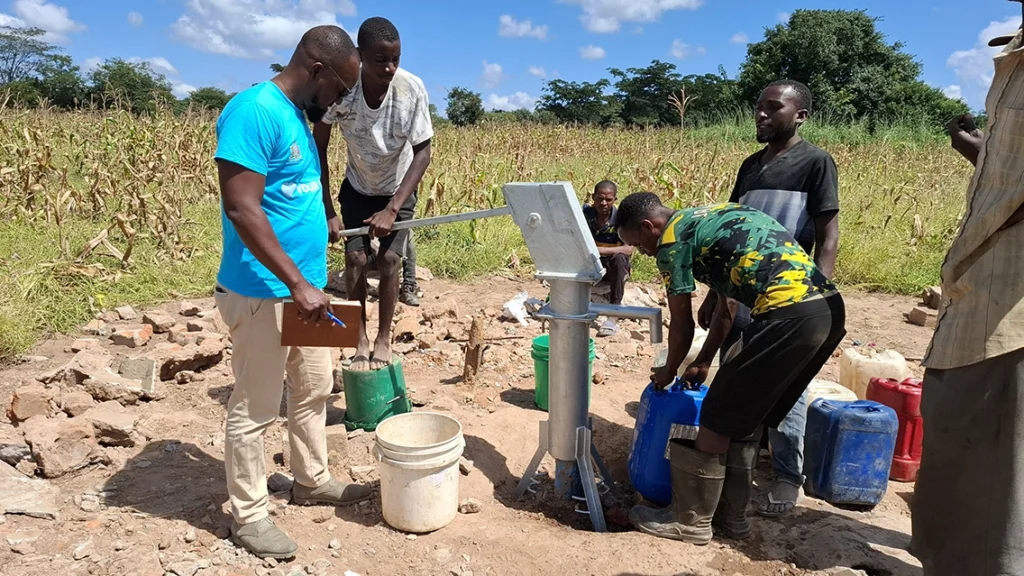
It's another way that we work to address one of the root causes of avoidable vision loss, but it also helps us tie into improved health outcomes overall. Accessible clean water helps prevent dozens of infectious diseases. It also improves quality of life for women and girls, who are often tasked with the job of fetching water, which can take up hours out of the day and prevent them from participating in school, work or other activities. Moreover, clean water means people can grow vegetable gardens, raise livestock and keep entire families, and communities, happier and healthier.
When we invest in sight, we invest in education, productivity and dignity. To eliminate avoidable vision loss, vision care needs to be recognized as a public health priority and integrated into national health strategies. Operation Eyesight’s global experience – from rehabilitating boreholes in Zambia to collaborating with partners on new policies in Canada – demonstrates that integrating eye health into primary care, addressing environmental determinants like access to clean water, and empowering community health workers leads to sustainable, measurable outcomes. Policymakers have a critical role to play in building resilient health systems that ensure equitable access to vision care for all.
Read more about our approach to Hospital-Based Community Eye Health.
This World Sight Day, our colours are lighting up skylines in communities across Canada, from Calgary to Winnipeg and from Guelph to Toronto. We’ll be sharing photos on our website and social media, so everyone can see them.
If you live in Calgary, where we have been based for more than six decades, look up, way up, at the Calgary Tower after dark on October 9. To help raise awareness of the importance of eye health, the Calgary Tower will shine in Operation Eyesight’s blue and orange.


If you live in Toronto, you can see the CN Tower shining in blue and orange (and yellow, for another eye-related organization that is also marketing World Sight Day). Wherever you live in Canada, urban, rural or remote, you can view the CN Tower lighting through the Tower’s webcam here. Catch the light show at the top of every hour and at every half hour.
Guelph's Market Square lit up in blue and orange overnight on October 8 to 9.
The Winnipeg Esplanade Riel Bridge and city sign will be lit up on October 11 for World Sight Day as well as World Blindness Awareness month (October).
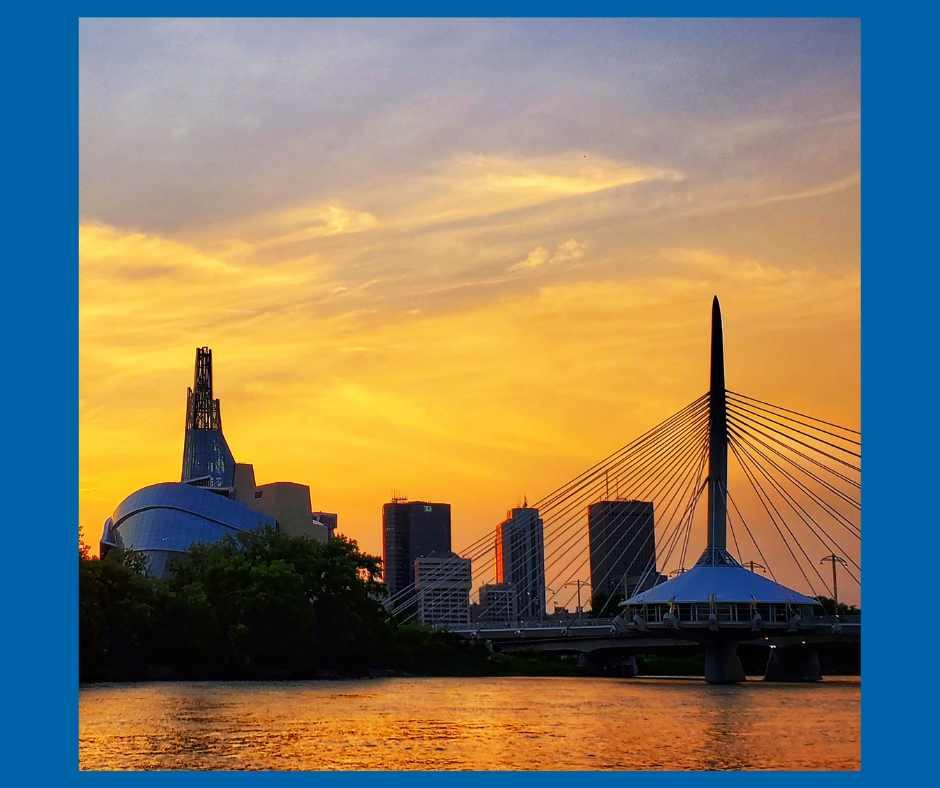
As of 2019, in Canada, 1.2 million people experience vision loss, which is 3.2 per cent of the population, and another estimated eight million people – 19 per cent – have eye conditions that could lead to blindness.
Avoidable vision loss can be prevented or treated when detected and addressed early. This is best done through regular eye exams; however, just 51 per cent of people in Canada are aware of how often to get an exam. Vision loss impacts people of all ages and touches all aspects of life including:
World Sight Day is in focus in Canada this year with the passing of the National Strategy for Eye Care Act in November 2024.
Kris Kelm, our Global Director – International Programs and Chair of the Canadian Eye Health Coalition, says, “Canada has made eye health a national priority with the passage of the National Strategy for Eye Care Act. We’re hard at work with like-minded organizations and communities, including Indigenous communities, to help shape the framework for an eye health care system that will serve all Canadians, from Inuvik to Iqaluit, and from Victoria to St. John’s – and every urban, rural and remote community in between. We are proud to bring more than 60 years of experience – earned building eye health care systems with partners in Africa and South Asia – to the table, and we feel that there is a lot for our Canadian policy to learn from international experience.”
Our President & CEO Kashinath Bhoosnurmath says, “Together, we can build an eye health care system in Canada that improves quality of life for us all, personally and for our family, friends, colleagues and neighbours. Together, we can eliminate avoidable vision loss in Canada to expand our collective opportunities – and be a shining inspiration for others.”
On September 23, 2025, the UN Friends of Vision, collaborating with the International Agency for the Prevention of Blindness (IAPB) which facilitates World Sight Day worldwide, presented the very first The Value of Vision: The Investment Case for Eye Health to the United Nations General Assembly in New York. The case will help inform international frameworks and lay a path for countries to build eye health care systems.
We will be sharing our activities on social media and our website. Learn more or donate in honour of World Sight Day at operationeyesight.com/worldsightday.
Happy World Sight Day! And thank you to our staff, donors and partners around the world for your steadfast dedication to our mission to prevent blindness and restore sight – For All The World To See!
Eight-year-old Fassikaw lives in Bahir Dar, where he goes to a local primary school. A second-grade student, he once faced challenges that threatened his education and well-being.
When Fassikaw was in first grade, he began to have trouble seeing objects far away. Reading books and the blackboard became difficult. Sitting in the middle or back of the classroom, he often had to borrow his classmates’ exercise books to copy notes.
At home, reading took him a long time. His eyes often watered, and his grades began to drop. More than his grades, his parents worried about his worsening vision and the way it was affecting his mood and sleep. Fassikaw even spoke about leaving school.
Around this time, his family learned about our School Eye Health Program run in partnership with Partners in Education Ethiopia. The program offers free diagnosis and eyeglasses to students in need.
After hearing this, his family went to the hospital and Fassikaw’s eyes were checked. At the hospital, tests revealed that Fassikaw’s vision required strong corrective lenses: +15.00 for his left eye and +16.00 for his right. Thanks to our partners and generous donors, he received the eyeglasses at no cost.
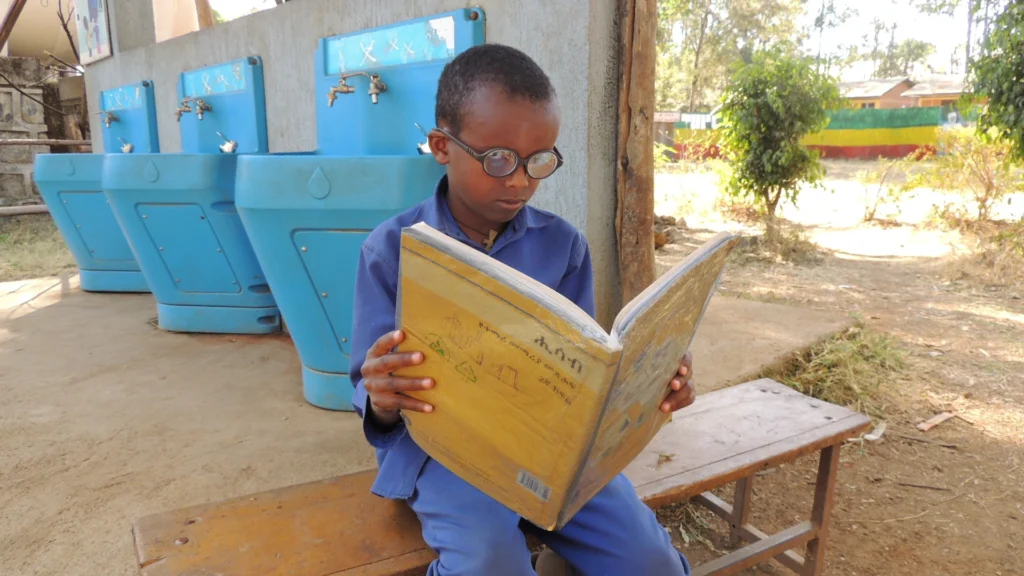
Today, Fassikaw can read easily from anywhere in the classroom. At home, he reads without headaches or watery eyes. His grades have improved, and his class ranking has risen from 27th to 21st, with steady progress.
His father says their son is now happy and confident, and the family can sleep without worry. “With God’s help, we hope you will never have to worry about anything,” he says with gratitude.
By providing eyeglasses through school-based eye health programs, we can transform the lives of children like Fassikaw, helping them see clearly, succeed in school and embrace a brighter future. Give the Gift of Sight today.
Our Work in Ethiopia
Since beginning our work in Ethiopia in 2018, we’ve made significant strides toward preventing avoidable vision loss. In 2024, our programs reached more than 33,424 people through eye health screenings, treatment, training and community outreach. From surveying over 14,000 residents in Debre Work to training frontline workers and teachers, screening students and providing eyeglasses, we are building lasting capacity for quality eye care. Read more about our work in Ethiopia in our 2024 Annual Report. Download it here.
Imagine failing the same grade twice. And the first grade, no less.
That’s an experience 11-year-old Hayat, in Bahir Dar, Ethiopia, has gone through. Today Hayat, held back by difficulties with her eyesight, is continuing to work on her first-grade accreditation, alongside seven- and eight-year-olds.
Born with a twin brother, Hayat had vision problems from the very start. Immediately after birth, she underwent eye surgery. The hospital scheduled her for a follow-up appointment, but due to financial constraints and lack of transportation, the family was unable to return for it.
Her father explained that, as Hayat grew older, she continued to have trouble seeing.
“We knew she had difficulty seeing distant objects, but we couldn’t take her to a health facility because we didn’t have the money for treatment,” her father shared. “It pained us deeply to see her struggle. We began to lose hope in her education because her performance was poor.”
But Hayat persisted with her schoolwork, and she was in class when Operation Eyesight, in collaboration with Partners in Education Ethiopia, started a screening program at her school.
Hayat was quickly identified as having vision problems. Along with other students, she received a referral to our partner institution, the Tibebe Ghion Hospital, for a full eye exam. An optometrist diagnosed her with refractive error.
Just two days after her hospital visit, the project team returned to Hayat’s school with a life-changing package in tow – the students’ eyeglasses.
Hayat went home sporting her new eyeglasses, beaming as she announced that she could finally see clearly. Her family was thrilled, knowing that she now had what she needed to thrive in school.
“Thank Allah!” her father announced, then followed up with instructions for Hayat. “Now you can study well and improve your grades.”
The little girl was more than happy to agree.
Find out how support from our donors is helping us bring eye health care to thousands of children like Hayat through our School Eye Health programs!
Story written with files from Marnat Adugna, Senior Project Officer, Operation Eyesight / Partners in Education Ethiopia
Anastasia, a 41-year-old mother of two teenage daughters, lives in Jei Krodua, in the Awutu Senya District of Ghana, where she earns a living brewing and selling asaana, a traditional local beverage. For nearly six years, she struggled with deteriorating vision, frequently endured pain and suffered from extreme sensitivity to light. These challenges made selling her drinks increasingly difficult and often, unable to see properly, accidentally gave customers too much change, realizing later that most did not return the extra money. “It wasn’t until I would go back home and calculate my sales that I would notice I had been cheated by some of my customers,” she recalled. One time, her impaired vision caused her to spill an entire batch of asaana while trying to place it on a table.

When Anastasia first began experiencing vision problems, she went to a nearby hospital, where she was diagnosed with pterygium — a growth on the eye’s conjunctiva. But, the pterygium was still immature, and she was advised to wait. By the time it had matured enough to be removed, her husband had grown older, fallen ill and was no longer able to work, leaving them without the means to pay for the surgery. “As a sole breadwinner and a mother of two teenagers who is also taking care of my husband, my meagre income could hardly take care of our daily needs, so undergoing a surgery was an impossible dream,” Anastasia shared.
Hope returned when Anastasia heard about an eye screening camp organized by Operation Eyesight. She attended, expecting little more than medication, but instead, she was diagnosed with a mature pterygium that could be removed through surgery at Operation Eyesight’s partner hospital Watborg Eye Services — free of charge, thanks to the generosity of donors. Anastasia underwent successful surgery, and she was also diagnosed with a refractive error and received prescription glasses at no cost.
With her vision fully restored and her business back on track, Anastasia could finally see a brighter future for her family.
“Though I feel that a mere thank you is not enough to express my appreciation, there is no other way to express to my joy except with a thank you. I am immensely grateful to Operation Eyesight for coming through for me.” – Anastasia
Your support can help restore vision and hope for someone like Anastasia. By giving the Gift of Sight, you not only honour your loved ones, but also extend the spirit of compassion and generosity to someone across the world.
Written with files from Dora Ewusi.
Between textbooks, whiteboards and videos in class, most of the information that’s presented to kids at school is visual. So what does that mean for a child who can’t see clearly?
In countries where eye health care is difficult to access, a simple eye condition like myopia (nearsightedness) can cause a student to fall behind and even drop out of school, which in turn could affect the child’s income for the rest of his or her life.
Ensuring that Quality Education is available to all children is one of the 17 Sustainable Development Goals set by the United Nations’ 2030 Agenda. We’re working towards this goal by ensuring that more children get the eye health care they need to thrive at school and take charge of their education.
According to a survey by the World Bank, children with visual impairments in sub-Saharan Africa are five percentage points less likely to ever be enrolled in school or to complete primary school. They are six percentage points less likely to be literate.1
The links between academic performance and visual impairment can be harder to draw given the complexity of the issue, but one survey from francophone countries in Africa found that primary school students – who self-reported difficulties with their vision – performed worse on standardized tests in math and reading in all but one of the 10 participating countries.2 Similarly, a Stanford study of 20,000 fourth and fifth graders in rural China found that eyeglasses boosted the standardized test scores by 18 per cent over six months.3

Even studies from higher income countries, where children have better access to eye health care, show that students with poor vision tend to read more slowly than their peers and are more likely to report that they don’t like reading.4 Visual fatigue is a likely culprit for both, and the resulting headaches and tiredness that these kids experience are also thought to play a role in behavioral issues at school.
Roughly 22.16 million children ages 14 and under have Moderate to Severe Vision Impairment (MSVI) and 44.6 million have mild vision impairment, according to a panel of global health professionals called the Vision Loss Expert Group.5
Only 20-50 per cent of the children who need prescription eyeglasses worldwide actually own a pair.6 Often, this is due to a lack of access to eye health care. In rural, remote or underserved communities, especially in low- and middle-income countries, many kids don’t get regular eye exams or have access to prescription eyeglasses and other treatment. This could be due to financial constraints, lack of education about the importance of eye health, or simply because there aren’t any optometry clinics nearby.
Across lower-income communities, schools may also lack electricity or lighting, making it even more difficult for a student with vision impairment to read information written on a blackboard. Lack of adequate lighting at home can also cause difficulties in completing homework. For a secondary student who is already falling behind in class, not being able to finish homework in a timely manner could end their school career, and cause them to drop out early.

Isaac Baffoe, who manages our school eye health programs in Ghana, says one student’s story really stuck with him. The girl reported that her eyesight started to fade when she was about 12 years old, and by age 15 she had severe vision impairment. For years, she relied on a classmate to read the blackboard out loud to her during class. Isaac often wonders what would have happened to her if her friend hadn’t been so helpful, or even more importantly, if our school eye health program hadn’t reached her school and she hadn’t gotten prescription eyeglasses.
Our field staff hear a lot about the difficulties that students face before they get eyeglasses. One student in Ethiopia reported that she and her friend were frequently scolded when the friend read the blackboard notes aloud to her. Others reported that their grades dropped sharply, or that they lost interest in their studies. Many children say that they asked their parents to take them to the eye doctor, but due to tight finances or difficulty in reaching a clinic, they weren’t able to get the eye care they needed.
The good news is that, with your ongoing support, we are changing all of this – one school and one child at a time.

Part of our goal at Operation Eyesight is to reach every single member of a community with eye health care, ensuring that nobody gets left behind. Increasingly, we’re screening school-aged children for eye issues right in the classroom.
In 2023 alone, our school eye health programs helped us screen more than 240,000 students in Bangladesh, Ethiopia, Ghana, India, Kenya, Nepal and Zambia.
In Kenya, we’ve partnered with the United States Agency for International Development’s (USAID’s) Child Blindness Program and Peek Vision to deliver an innovative program where teachers are trained to do the initial eye health screenings using a simple smartphone app. This allows us to screen more students overall, while still providing referrals to those children identified with eye problems to get a complete eye exam with a healthcare professional.

In Ghana, we train community health nurses to help deliver our school eye health programs, also in partnership with USAID and with funding from the Church of Jesus Christ of Latter-day Saints and Latter-day Saints Charities. In addition to conducting school eye health screenings, the nurses provide the students with eye health education sessions, where they learn how to prevent eye injuries and infections and learn about various conditions, like refractive errors (the need for eyeglasses). By making sure children have basic eye health information and know where to go for subsidized eye care, whole families are made aware of the services that are available to them.
Isaac, who has been on hand during several of these school screening events, says the children are always very eager to get involved. “The children show lots of interest. They want to participate,” he explains. “During all the screenings we’ve attended to audit, the children are very cooperative, they really want to know what is going on.”
He adds that it’s not just the students who are happy with getting a pair of eyeglasses.
“It’s not only a relief to the children, but also to the teachers,” he says, “because it also made their work difficult to spend extra time with these children who were struggling with their studies prior to receiving eyeglasses.”
In November 2020, the borehole in the Zambian village of Kangwa broke down. The COVID-19 pandemic was in full swing, and the need for clean water was more urgent than ever. For Natasha, a teenager who was in high school at the time, the breakdown had devastating consequences. As the family member tasked with fetching water, Natasha now had to walk several kilometres each day to complete the chore, meaning she could no longer attend school. She wasn’t alone – other teenage girls in her community were in the same situation.

When our team in Zambia found out about the broken borehole, they sprang into action and quickly got it fixed. They were well equipped to do so, because we have been working with communities to repair and drill boreholes for many years to curb the spread of trachoma.
Trachoma is a bacterial eye infection that’s common in areas with water shortages and crowded living conditions. The bacteria spreads easily through contact with eye discharge from infected people on hands and clothing, and also through direct transmission by flies. If left untreated, it can cause severe pain, vision loss and even blindness. In fact, it is the leading infectious cause of blindness worldwide.
When we work with communities in areas of Zambia, Ethiopia and Kenya where trachoma is endemic, we ensure that water and sanitation issues are part of our intervention. In communities like Kangwa, this means training local volunteer teams to help maintain and repair broken boreholes, and training community WASH (Water, Sanitation and Hygiene) teams to educate their neighbours about preventing trachoma transmission in the home.

In order to ensure that girls have equal access to quality education, clean water and sanitation facilities must be part of the solution. (Watch this video to learn more about the ripple effects of clean water.)
Myopia (nearsightedness) rates are on the rise all over the world. In 2020, the global prevalence was 30 per cent. It’s estimated to rise to 50 per cent by 2050.7
In China, where the rise in myopia in children is being described as an epidemic, the government has rolled out a nation-wide strategy to curb the growth, which includes school-based eye screenings, public health education campaigns, a reduction in homework and an increase in time spent outdoors.8
As suggested by China’s strategies, many of the factors contributing to the rise of myopia are likely due to modern lifestyles: more time spent indoors, doing near-work like homework, and more time spent parked in front of digital devices.
But there may be more at play in the phenomenon, including environmental risks like increasing urbanization and changing diets. As low- to middle-income countries become more urbanized and educational pressures mount, children everywhere are at increased risk of developing the refractive error. In parts of Africa and Asia where families already face difficulties accessing eye health care, the gap between eye health services and those in need of treatment will continue to grow.
As part of our 2024-2028 Global Strategy, we are committed to providing eye health care and clean water to more children so that they can take full advantage of any educational opportunities they are presented with. This means integrating WASH projects with school eye health projects and rolling out more school eye health programs across our countries of work.
We have already seen much success with our school eye health programs in countries like Kenya and Ghana, where we’re working with the local ministries of health and education. Now, it’s time to scale our efforts to more schools, more districts and more countries. With your ongoing support, we can expand our reach and improve the quality of life for more kids around the world.
Donate today and help us restore sight and prevent blindness for more children. The Gift of Sight is the gift of education and the gift of opportunity. Thank you for your support!
Back in 2013, Dan Pallotta’s TED Talk, The Way We Think About Charities is Dead Wrong, created a ripple effect in the non-profit sector, advocating for the investment in non-profits and a change in the way the sector and the public at large think about overhead. I first had the chance to hear Pallotta speak live in 2019, when Operation Eyesight and other partners brought him to Calgary as part of an educational series focused on maximizing philanthropic impact. I was in awe of Pallotta’s clear passion and his knack for delivering the key messages in such a simple yet inspiring way.
Of course, I jumped at the opportunity to catch his new film, “UnCharitable,” thanks to a screening organized by the Canadian Partnership for Women and Children’s Health. While the documentary, which is based on Pallotta’s book of the same name, had several powerful moments, there was one idea presented in particular that I’ve been reflecting on: Ask organizations about the size of their dreams, not the size of their overhead.
The size of our dreams?
At Operation Eyesight, our vision is the elimination of avoidable vision loss. Our dreams span the globe. Our dreams transcend borders.
Our biggest dream is a world where universal health care, including eye care, is the reality.
Today, 1.1 billion people live with vision loss. Although 90 per cent of vision loss is treatable or preventable, many people worldwide still don’t have access to eye health care.

Eye health care is a critical part of good health and well-being. For a child, good eyesight means the ability to go to school, learn and build friendships. For a parent, healthy vision means being able to care for their children or work to provide for their family. For a senior, access to eye care services means the ability to live with dignity and watch their grandchildren grow up. For adults and children alike, healthy vision means a chance to pursue their dreams.
We believe everyone has the right to healthy eyes; however, many countries globally do not have national eye health policies and strategies that meet the needs of patients and families. This leaves quality, affordable eye health care out of reach for many people. As a result, millions are living with vision loss and blindness that is completely curable, or that could have been prevented from happening in the first place.
It’s time to create a world where avoidable vision loss is a thing of the past, not the thing holding people back from the futures they’ve dreamed about.
At Operation Eyesight, we are currently working with local partners across 10 countries to prevent blindness and restore sight, and we have plans to expand to five more countries over the next five years. As part of our 2024-2028 Global Strategy, we will:
To achieve this, we will generate more awareness of, and support for, our mission, making strategic investments in all aspects of our organization along the way, just as Pallotta encourages. We have already started laying the foundation, investing in areas such as infrastructure and technology, recruitment and team capacity-building, and digital marketing.
We will also create new partnerships – with international NGOs, grant funders, corporations, institutions and other supporters – while strengthening our existing partnerships.
We will continue to join hands with the International Agency for the Prevention of Blindness and our eye health peers around the world to advocate for the integration of eye health care into primary health care systems, with the goal that someday, everyone, everywhere will have access to affordable eye health care.
Through our collective action and the support of our global community, we hope to transform national eye health policies and realize our shared vision of the elimination of avoidable blindness – For All The World To See.
So, ask us about the size of our dreams. And ask us how you can help make these dreams a reality.
The oldest of four kids, 14-year-old Isaac is his mother’s biggest helper – assisting with chores like cleaning, sweeping and looking after his younger siblings. But a few years back, Isaac started having problems finding things around the house.
One day, his mom, Samanta, sent him outside to sweep the compound, but he came back complaining that he couldn’t locate the broom. When she went to look for herself, she saw the broom lying on the porch in plain sight and realized there was something wrong with Isaac’s eyesight.
As a single mom, Samanta works hard as a trader in the marketplace in their village of Oponso, in Ghana’s Central Region. She knew that an eye exam, and any subsequent treatments, would be out of her budget.
Hope arrived during an eye health screening at Isaac’s school, where staff identified his eye condition. His younger sister, five-year-old Grace, also got a referral for further examination. The school eye health screening was made possible through our partnerships with Ghana Health Service and Ghana Education Service and funded by the United States Agency for International Development’s (USAID’s) Child Blindness Program.
The program trains community health nurses and school employees to perform basic eye screenings. Students requiring follow-up receive referrals to the nearest hospital. Because of the increased efficiency, entire schools – students and teachers alike – can be screened in a fraction of the time it would take otherwise.
Samanta brought the two children to our partner hospital, Watborg Eye Services, in nearby Accra, and both received diagnoses for cataracts. They were quickly scheduled in for surgery, which was provided free of charge.
Three weeks later, our program staff caught up with Samanta, who was thrilled with her children’s progress, now that they are free from cataracts. She says little Grace now spends more time outside playing with her friends. As for Isaac, he once again helps around the house, happy that his future is back in focus.
With story and photo files from Isaac Owusu Baffoe
This story was made possible by the generous support of the American people through the United States Agency for International Development (USAID). The contents are the responsibility of Operation Eyesight Canada and do not necessarily reflect the views of USAID or the United States Government.
