
July 27, 2021 – Operation Eyesight applauds the adoption of the United Nations General Assembly (UNGA) Resolution: Vision for Everyone – Accelerating Action to Achieve the Sustainable Development Goals. The resolution (A/75/L.108) was unanimously adopted by all 193 countries of the United Nations on July 23, 2021, committing the international community to eye care for the 1.1 billion people living with avoidable blindness by 2030.
Sight loss is calculated to cost the global economy $411 billion in productivity each year.
The resolution is the first agreement designed to tackle preventable sight loss to be adopted by the United Nations and enshrines eye health as part of the United Nations’ Sustainable Development Goals (SDGs). It sets a target for vision for everyone by 2030, with countries set to ensure full access to eye care services for their populations, and to make eye health part of their nation’s journey to achieving the SDGs.
“This is a historic moment in global eye health, as the gift of sight is now within reach for the 1.1 billion children, women and men living with avoidable blindness,” said Kashinath Bhoosnurmath, President & CEO of Operation Eyesight. “I’d like to congratulate my colleagues in the eye health sector on this significant milestone. All of us at Operation Eyesight are committed to working with our partners and donors to implement this resolution to provide eye care for all.”
The resolution creates new expectations for international financial institutions and donors to provide targeted finances, especially to support developing countries in tackling preventable sight loss, and for the United Nations to incorporate eye health into its work, including through UNICEF and UN-Women. It calls for new targets on eye care to be included in the UN’s SDGs at its next review.
The plan will mean that by 2030, the 1.1 billion people globally living with sight loss, will have access to support and treatment – but, campaigners say, only if governments and international institutions act now to fulfil their new commitments.
The resolution was championed by the International Agency for the Prevention of Blindness, of which Operation Eyesight is a longstanding member, and the UN Friends of Vision group.
Peter Holland, CEO of the IAPB, said: “The eye health sector has believed for a long time that quality eye health is critical to the world achieving the Sustainable Development Goals and this resolution is testament to a lot of hard work.” He added, “IAPB’s members will now work tirelessly to support governments to enact this resolution and hold governments to account to ensure that no one is left behind”.
H.E. Ambassador Rabab Fatima, Permanent Representative of Bangladesh to the United Nations and co-chair of the Friends of Vision, said: “The adoption of [the] resolution on vision is a watershed moment in global efforts for vision care. We were honoured and pleased to lead this resolution together with fellow Friends of Vision Co-Chairs, Antigua and Barbuda and Ireland.”
To learn how Operation Eyesight’s mission to prevent blindness and restore sight is helping to achieve the SDGs, visit https://www.operationeyesight.com/sustainable-development-goals/
If you sprain an ankle or come down with a bad cough, your first stop is usually your family doctor. But when it comes to blurry vision, the path to care often looks very different. Around the world, eye health is still treated separately from primary health care, creating gaps that leave people without the vision help they need. Even in countries with universal health coverage, you might receive a complex eye surgery at no cost, yet pay out of pocket – or use private health insurance – for something as simple as a pair of eyeglasses.
At Operation Eyesight, we believe this needs to change. That’s why we’re working to strengthen areas of overlap between primary eye care and primary health care in our countries of operation. That means supporting the World Health Assembly’s integrated people-centred eye care (IPEC) resolution by working to integrate eye health into national health systems – and increasing access to free or subsidized eye health care.
It also means addressing the root causes of avoidable vision loss. In some regions in Africa, we bring fresh water and hygiene education to communities to help prevent infectious eye conditions. We also work to make sure our services offer more than just eye care, but can also link patients to other types of health care.
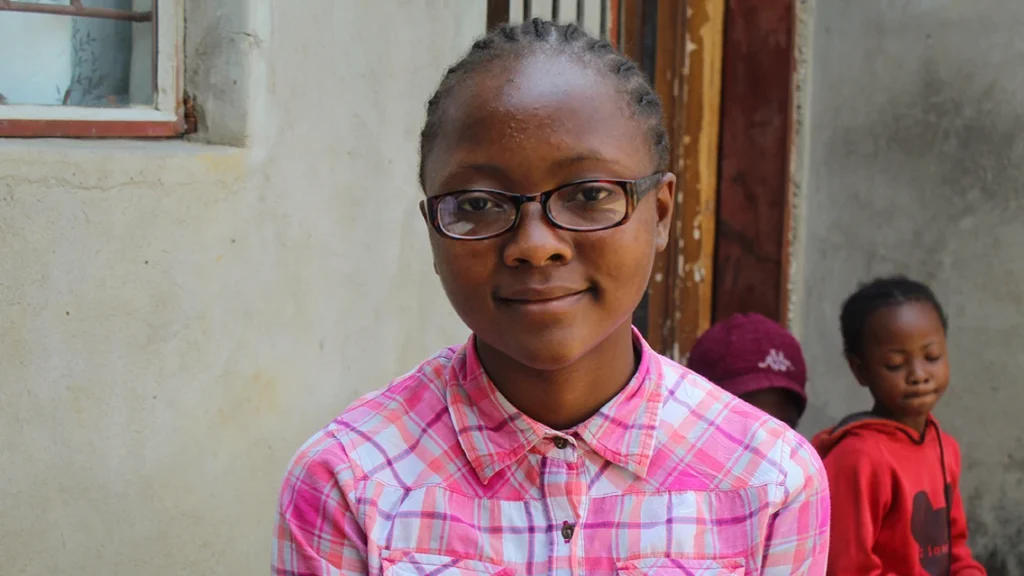
Health conditions rarely exist in silos – and vision loss is no exception. Diabetes, for example, increases the risk of eye conditions like cataracts. For 15-year-old Vanessa in Zambia, blurry vision was one of the first signs of the disease. When she started having problems reading the blackboard at school, a teacher sent her to our vision centre in her community of Matero for a checkup. From there, she received a referral to our partner hospital, where she learned that she not only had cataracts, but diabetes as well. Doctors helped her get her blood sugar levels under control, and then she got cataract surgery. Today, she is managing her diabetes and thriving in school, with dreams of becoming a doctor.
Vision problems can also cause a downward mental health spiral. Benson, a farmer in Kenya, lost his ability to work due to poor vision. As a result, he became angry and depressed, then turned to alcohol and drugs to cope with his situation. Luckily, his family got him into a drug and alcohol rehabilitation facility, where a visiting doctor diagnosed him with cataracts. Benson underwent surgery on both eyes, provided free of charge thanks to the support of our donors, and can see clearly now. Buoyed by his miraculous recovery, Benson finished up his time at the rehabilitation facility and happily threw himself back into farming.
In Canada, where Operation Eyesight is based, navigating eye care can be confusing. While the Canada Health Act covers medically-necessary eye health services, routine vision care like eye exams and prescription glasses often isn’t part of the deal. That leaves provinces and territories to fill in the gaps, and the result is a patchwork system. For example, seniors in Ontario get routine eye exams covered once they hit 65, but in Newfoundland and Labrador, those same seniors might have to pay out-of-pocket. It’s inconsistent, and it’s especially tough on vulnerable populations.
There is some support through the Federal Non-Insured Health Benefits (NIHB) program, which covers eye exams and eyewear for eligible First Nations and Inuit individuals. But even that has its hurdles: remote communities, limited healthcare infrastructure and cultural differences that make accessing care more complicated than it should be.
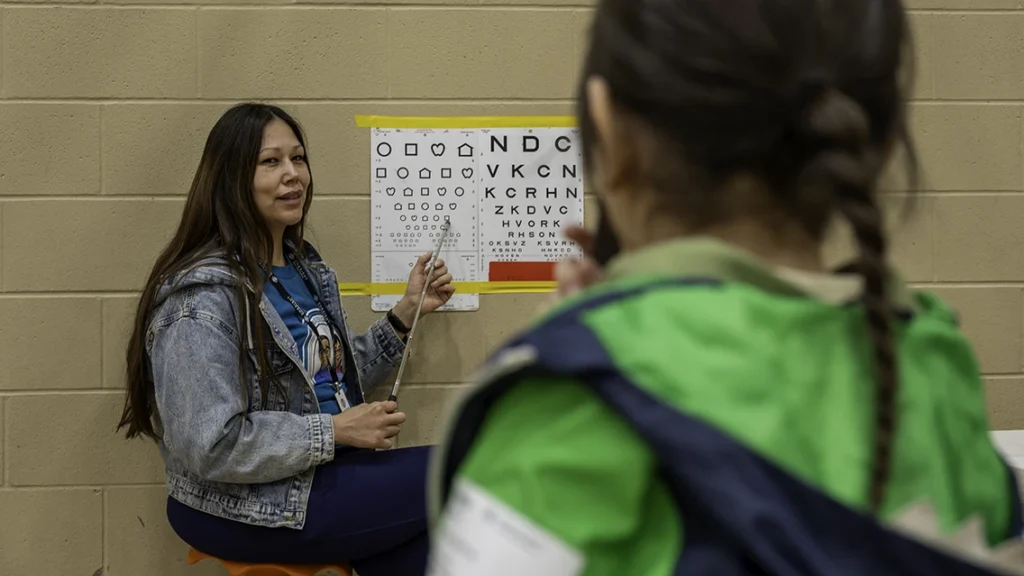
The passage of the National Strategy for Eye Care Act in 2024 was a major step forward in addressing these issues. As chair of the Canadian Eye Health Coalition, Operation Eyesight is helping shape a national framework that prioritizes equitable access to vision care. Our Global Director of International Programs, Kris Kelm, explains why it’s important that we have a seat at the table during the consultation period and beyond.
“We know that there will be many voices in this conversation with diverse interests, and we want to ensure there is representation from patients who have the least means and the least ability to access vision care,” he says. “The fact that we have over 60 years of experience working in this sector gives us a strong background to speak credibly to how we need to approach things in Canada, and our community partners can provide valuable insights to help shape eye care for all.”
He adds that Canada can learn from some of our countries of work, where eye health has been better integrated into the overall health systems and other public frameworks. As an example, he points to Ghana, where we work with the ministries of health and education to screen and treat students for eye conditions in the public school system. We have similar programs in Kenya and Zambia, too.
Another example is in India, where we are working with state governments to establish vision services in pre-existing government health centres. Building the capacity of vision care facilities within the country’s national health care system ensures that services reach the most underserved populations, as patients who are able to pay most typically seek care at for-profit facilities, rather than attending government services.
Shakuntala, in Madhya Pradesh, India, spends her days walking door to door through villages in her region, checking in on the health and well-being of families. She’s one of the million-strong network of Accredited Social Health Activists (ASHAs), employed by the Indian government, who deliver primary health care at the community level.
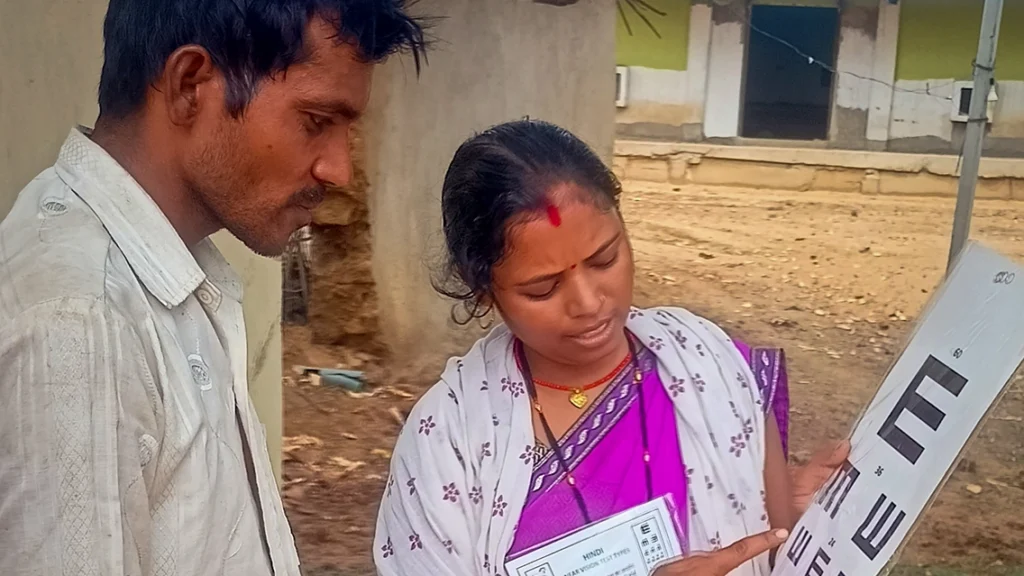
Her work includes providing pregnancy advice, supporting newborn care, educating parents about vaccinations and vitamins for children, and making all kinds of referrals to local clinics and hospitals. In 2022, Shakuntala added another set of skills to her toolkit: conducting primary eye health screenings, thanks to training provided by our Operation Eyesight team, in partnership with the Government of Madhya Pradesh. Shakuntala learned to measure visual acuity using an eye chart. She also learned to identify the signs and symptoms of various eye conditions. Once she identifies a patient with a possible eye condition, she refers them to the base hospital for diagnosis and treatment. In the meantime, she continues to provide advice and referrals on nutrition, vaccinations, prenatal care and other health concerns.
Shakuntala is just one of the thousands of community health workers we work with across the globe. In all our countries of work, we partner with existing health systems to recruit community health workers, mostly women, to help us deliver our programs. The health workers develop strong ties within the communities, resulting in high acceptance and trust in our programming.
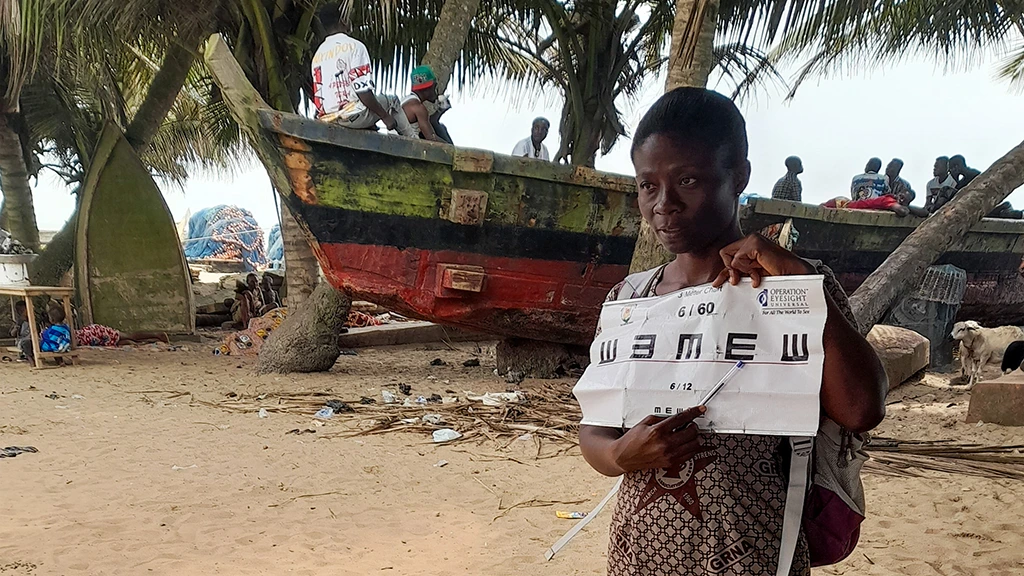
Mabel, a community health nurse in Ghana, was trained in primary eye care so that she could identify eye health issues in addition to her regular duties. She says that being able to screen people at their home allows her to reach many women and girls who probably wouldn’t have left the village to seek eye health care, due to household responsibilities.
Anyone who has had a case of pink eye knows that having red, inflamed and itchy eyes isn’t much fun. But in some parts of the world, an eye infection can be a much more serious problem. Trachoma is an infectious eye disease that leads to vision loss and blindness in millions of people across the globe. It spreads easily through contact with eye discharge from infected people on hands and clothing, and through flies. If left untreated, chronic infections turn the eyelid inwards, causing intense pain and scarring of the cornea, which can lead to irreversible blindness.
Trachoma is preventable, and clean water is key to curbing the spread. When communities have access to clean water, people can clean their hands, faces and clothing more often, which prevents it from spreading.
In countries like Zambia, we work with Water Affairs (the government department responsible for water) to drill, rehabilitate and repair boreholes near where people live, work and go to school, so that whole villages have access to clean water. We also provide training to local volunteers in these communities in WASH (Water, Sanitation and Hygiene) and borehole repair and maintenance to ensure the clean water continues to flow. In areas where trachoma is endemic, we also work with partners to distribute antibiotics, which both treats and prevents trachoma.
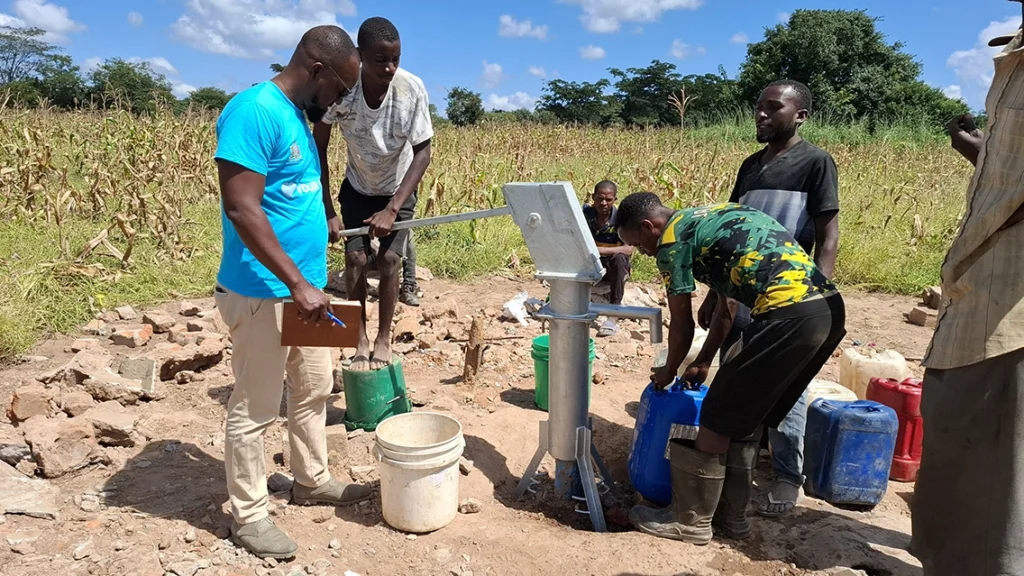
It's another way that we work to address one of the root causes of avoidable vision loss, but it also helps us tie into improved health outcomes overall. Accessible clean water helps prevent dozens of infectious diseases. It also improves quality of life for women and girls, who are often tasked with the job of fetching water, which can take up hours out of the day and prevent them from participating in school, work or other activities. Moreover, clean water means people can grow vegetable gardens, raise livestock and keep entire families, and communities, happier and healthier.
When we invest in sight, we invest in education, productivity and dignity. To eliminate avoidable vision loss, vision care needs to be recognized as a public health priority and integrated into national health strategies. Operation Eyesight’s global experience – from rehabilitating boreholes in Zambia to collaborating with partners on new policies in Canada – demonstrates that integrating eye health into primary care, addressing environmental determinants like access to clean water, and empowering community health workers leads to sustainable, measurable outcomes. Policymakers have a critical role to play in building resilient health systems that ensure equitable access to vision care for all.
Read more about our approach to Hospital-Based Community Eye Health.
As a community health volunteer, 28-year-old Faizunnahar spends her days bringing primary eye health care to the doorsteps of families who live in her area. She enjoys her job, but she knows that not everyone in her community approves of her work. In rural Bangladesh, where Faizunnahar lives, job opportunities for women are often limited by societal norms, and those who step outside of traditional roles often face criticism.
Nevertheless, with her family’s support, the young volunteer persists. She loves making an impact in her community, and she is proud to contribute to the family finances through the monthly stipend she earns. She is determined to build a better life for herself, her family and their young son.
Working with our partner organization, Symbiosis International, Faizunnahar goes door to door in nearby communities doing preliminary eye screenings and referring those with vision problems to the nearby Madarganj Vision Centre.

As a child, Faizunnahar remembers her father struggling with an eye problem. To get it treated, he had to travel from their village of Ruknai to the capital city Dhaka, nearly 200 kilometres away. His difficulties in getting treatment for his vision problems stayed with her and would later inspire her to seek out work in the healthcare sector.
When she first heard about the opportunity to become a community health volunteer, Faizunnahar worked quickly to reach out to a contact and put together a resume. After writing an exam, she was excited to learn she got the job. Since then, she has worked in maternal, newborn and child health, as well as primary eye care, for which we provided the training. She is proud of her achievements and says her greatest joy comes from knowing that her work is helping transform lives.
This International Women’s Day, we celebrate the thousands of women like Faizunnahar who are breaking barriers to help us deliver essential eye health care at the community level. As community health workers/volunteers, they have an opportunity to become leaders in their communities and act as catalysts for positive health outcomes. This employment improves their ability to become active participants in their family’s socioeconomic stability.
You can help support our mission to achieve gender equality in eye health care by sharing this post with friends and family, by learning more about the issues or by making a donation.
Anastasia, a 41-year-old mother of two teenage daughters, lives in Jei Krodua, in the Awutu Senya District of Ghana, where she earns a living brewing and selling asaana, a traditional local beverage. For nearly six years, she struggled with deteriorating vision, frequently endured pain and suffered from extreme sensitivity to light. These challenges made selling her drinks increasingly difficult and often, unable to see properly, accidentally gave customers too much change, realizing later that most did not return the extra money. “It wasn’t until I would go back home and calculate my sales that I would notice I had been cheated by some of my customers,” she recalled. One time, her impaired vision caused her to spill an entire batch of asaana while trying to place it on a table.

When Anastasia first began experiencing vision problems, she went to a nearby hospital, where she was diagnosed with pterygium — a growth on the eye’s conjunctiva. But, the pterygium was still immature, and she was advised to wait. By the time it had matured enough to be removed, her husband had grown older, fallen ill and was no longer able to work, leaving them without the means to pay for the surgery. “As a sole breadwinner and a mother of two teenagers who is also taking care of my husband, my meagre income could hardly take care of our daily needs, so undergoing a surgery was an impossible dream,” Anastasia shared.
Hope returned when Anastasia heard about an eye screening camp organized by Operation Eyesight. She attended, expecting little more than medication, but instead, she was diagnosed with a mature pterygium that could be removed through surgery at Operation Eyesight’s partner hospital Watborg Eye Services — free of charge, thanks to the generosity of donors. Anastasia underwent successful surgery, and she was also diagnosed with a refractive error and received prescription glasses at no cost.
With her vision fully restored and her business back on track, Anastasia could finally see a brighter future for her family.
“Though I feel that a mere thank you is not enough to express my appreciation, there is no other way to express to my joy except with a thank you. I am immensely grateful to Operation Eyesight for coming through for me.” – Anastasia
Your support can help restore vision and hope for someone like Anastasia. By giving the Gift of Sight, you not only honour your loved ones, but also extend the spirit of compassion and generosity to someone across the world.
Written with files from Dora Ewusi.
For millions of children worldwide, vision loss and blindness create barriers for learning, growth and opportunities — that's why child eye health is a focus this World Sight Day.
For 17-year-old Jennifer from Ghana, blurred vision made it difficult to keep up in class — until a simple pair of eyeglasses changed her life.
“I first noticed that I could not see objects clearly at a distance,” recalls Jennifer, who attends school in the Mfantseman District of Ghana’s Central Region. For three years, she struggled in silence, telling no one about her condition. As her vision worsened, she began relying on classmates to help her read the blackboard.
Relief came when Operation Eyesight hosted an eye health screening at her school. Diagnosed with a serious refractive error, Jennifer received a pair of prescription eyeglasses, free of charge.
Today, Jennifer is thriving and optimistic about her future. “I am happy with these new spectacles!” she says.
Jennifer’s story is far too common. Globally, nearly 450 million children and adolescents face similar vision challenges that could easily be solved with a pair of prescription eyeglasses. Additionally, 40 per cent of children who are blind could have had their eye conditions prevented with access to eye health care, according to the International Agency for the Prevention of Blindness (IAPB).
Shining a light on child eye health on World Sight Day
On October 10, the global eye health community will celebrate #WorldSightDay, encouraging everyone to prioritize their eye health. This year’s theme highlights the importance of eye care for children, inspiring young people to 'love their eyes'.
“Every day, preventable and treatable eye health issues cause children to miss out on learning and social opportunities,” says Kashinath Bhoosnurmath, President and CEO of Operation Eyesight. “They do not just deserve but have the right to a happy childhood. Healthy eyes enable kids to learn, play, and thrive, setting them on a path for life.”
Untreated vision loss can have lifelong consequences, especially for children in low- and middle- income countries, who are five times less likely to attend school if they have a vision impairment, states the IAPB. Providing accessible and quality eye care helps meet the United Nations (UN) Sustainable Development Goals (SDGs) of Quality Education (SDG 4) and Good Health & Well-being (SDG 3).

School Eye Health Programs: Reaching children where they are and raising awareness of programs on World Sight Day
In 2023, Operation Eyesight screened more than 240,000 students at 1,133 schools across South Asia and sub-Saharan Africa. By training teachers and healthcare workers to identify vision problems, we ensure youths like Jennifer receive the care they need.
Child eye health is about more than providing eyeglasses; it’s about creating long-term solutions. In places like Ethiopia, Kenya and Zambia, trachoma is a leading cause of vision loss. If left untreated, this bacterial infection can lead to irreversible blindness. Along with mass drug administrations (MDAs) to clear infections, our teams also bring communities local access to fresh water and educate people about the importance of washing their hands, faces and clothing to reduce transmission of the infection.

Yashwant Sinha, our Director of International Programmes, says Operation Eyesight’s clean water projects have had a ripple effect in the lives of female students.
“In many communities across sub-Saharan Africa, the task of hauling water falls to women and girls. Local access to fresh water has boosted school attendance, because girls no longer have to spend hours fetching water,” Yashwant says. “In many communities, attendance of girls at school has improved.”
He adds that in Ethiopia, these benefits have been bolstered by Water, Sanitation and Hygiene (WASH) programs both in the community and at schools, as well as menstrual hygiene training, including how to create reusable sanitary pads using local materials.
These efforts also support the UN SDGs related to Clean Water and Sanitation (SDG 6) and Gender Equality (SDG 5).
A comprehensive approach to eye health
Our work extends beyond schools. Operation Eyesight’s global team of Community Health Workers (CHWs) enables us to be present in the community and reach patients who otherwise would not have access to quality eye health care.
By conducting door-to-door screenings, CHWs help families understand the importance of seeking eye care, ensuring that no man, woman or child goes without eye health screening and referral if needed. Through public health education, we also promote awareness about hygiene and overall health, linking residents with local healthcare resources.
“Healthy eyes are just one part of a person’s overall health and well-being, and we are also focused on addressing other determinants of eye health,” Yashwant explains.
“Our CHWs and other local staff connect new moms with pre- and post-natal care and also connect families with immunization clinics to help give kids the best start.”

Addressing complex conditions early
Some vision issues, like Retinopathy of Prematurity (ROP), need intervention much earlier. ROP is one of the leading causes of vision loss in children in India, and preterm infants are at high risk of developing this condition which leads to lifelong blindness.
Shabana, from a small village in Uttar Pradesh, India, delivered her son Aarsh when she was only seven months pregnant. Thanks to Operation Eyesight’s partnership with C.L. Gupta Eye Institute (CLGEI) in nearby Moradabad city, Aarsh was screened and treated for ROP, saving him from a life without sight.
“Aarsh’s journey is a testament to the transformative power of our ROP screening program,” says Lokesh Chauhan, Deputy General Manager at CLGEI. “Aarsh’s bright eyes now reflect a world of possibilities.”
Ocular cancers such as retinoblastoma not only cause blindness but can also be fatal. In India, retinoblastoma accounts for about three per cent of all cancers affecting children under five, and it is reported in an article in the Indian Journal of Ophthalmology that there are about 1,500 new cases reported each year.

Timely treatment of this cancer can save the lives of more than nine out of 10 children suffering from this disease, including children like Alok, pictured above. In many cases, a child’s vision can also be saved, but early screening and treatment are essential. Thanks to the help of our generous donors, in 2015, Operation Eyesight, in partnership with LVPEI, opened one of the few facilities in the world that specializes in treating ophthalmic tumours in both children and adults.
Tapobrat Bhuyan, our Programme Manager in India, adds that untreated vision loss can also have long-term effects on children’s self-esteem.
“Clear vision and healthy eyes open the door of possibility. For a child, it’s a chance to have a full childhood, which has long-term impacts for their trajectory in life,” Tapobrat explains. “Vision loss and blindness have been proven to prevent social inclusion and can negatively impact mental health.”

Looking ahead: World Sight Day 2024
Vision is crucial for a child’s development — whether in the classroom, playground, or at home. It’s no surprise that 80 per cent of a child’s learning is visual, according to multiple studies. Wherever they live, access to quality eye health care helps give young people the best possible start in life, paving the way for success for years to come.
Access to eye health care isn’t just an issue in low- and middle-income countries. Globally, myopia is on the rise. Commonly known as nearsightedness, myopia makes it difficult to see distant objects clearly. The number of children experiencing myopia is increasing, driven by excessive screen time. In 2020, 60 per cent of children in Asia and 50 per cent in Europe had myopia.
Reducing screen time and scheduling regular eye exams are simple steps we can take to protect our children’s vision. A 2021 study found that extended screen time is associated with a 30 per cent higher risk of myopia, which requires prescription eyeglasses. When combined with excessive computer use, the risk more than doubles, reaching approximately 80 per cent.
In Canada, some provinces offer free eye exams to children and seniors as part of provincial health care. Access to eyeglasses is one of the most effective health interventions for kids.
Download our child eye health resources on our World Sight Day page to learn more and help the children in your life love their eyes.
World Sight Day 2024 is a chance to focus on our kids’ eye health and help children and adolescents everywhere love their eyes.
Help all children love their eyes this World Sight Day
You can also help ensure that no child is left behind due to preventable vision loss. Together, we can create a world where every child has access to quality and affordable eye health care. Make a donation today to help bring sustainable eye health solutions to children living in communities that need them most.
For most of his adult life, Abraham made a living as a cobbler, supporting his wife and raising six children on his earnings. But several years ago, he started having trouble threading needles. Initially, he pricked himself repeatedly, and eventually, he couldn’t get the needles threaded at all. Due to his poor eyesight, Abraham had to shut down his shoe repair business.
His story is a common one. Global estimates suggest that people with moderate to severe vision impairment are about 30 per cent less likely to be employed than those with good eyesight.1 For lack of a pair of eyeglasses, for want of a simple cataract surgery, millions of people are unable to work. It can keep entire families stuck in the cycle of poverty.

Abraham’s story has a happy ending. After meeting a community health volunteer during a door-to-door eye health screening, he was diagnosed with bilateral cataracts and got sight-restoring surgery on both of his eyes at one of our partner hospitals. He started taking in shoes for repair once again.
But many people won’t get back to work like Abraham did. And that’s because basic eye care isn’t available or accessible to them. According to estimates, about 2.2 billion people worldwide have vision impairment, and in roughly half of those cases, the vision loss could have been prevented or hasn't yet been treated.2
For many people across the globe, the neighbourhood optometry clinic simply doesn’t exist. While people in Western Europe enjoy a ratio of one optometrist to every 3,877 people, countries in central sub-Saharan Africa reported a ratio of one to every 1,198,141 people, according to a 2023 study.3 Even when there is an eye care provider in a nearby city, the barriers to reaching them can be insurmountable for some people living in remote and rural areas. Many can’t afford the bus or train fare, let alone the fees for diagnosis and treatment. And for women and children, travelling alone can be dangerous, so they often need to wait for someone – usually the family breadwinner – to take time off work to escort them. For those with seriously impaired vision or other disabilities, travel might be nearly impossible.
Every day, the community health workers who do eye screenings on our behalf meet people who have previously tried to solve their vision issues without success. Many patients had visited the nearest healthcare provider, often a local dispensary, and were sent home with eyedrops or told their vision couldn’t be treated. Some had bounced around from clinic to clinic, others had resigned themselves to living out their days in blindness. That is why we are working hard to provide eye health care services at the community level.
By connecting people with our partner vision centres and hospitals, helping cover fees and offering safe transportation to the hospital, we can help restore vision to people who may never have gotten treatment otherwise. It’s just one of the ways we are working towards the United Nations Sustainable Development Goal number one: No Poverty. By addressing some of the root causes of poverty, like poor eyesight, we can help people stay employed and stay in school.
The global productivity loss attributed to impaired vision is estimated at US $411 billion annually.4 And those effects can be seen on the individual level as well.
A recent study looking at workers with presbyopia between the ages of 35-65 in Bangladesh found that those who had reading glasses made 33 per cent more than those who did not.5 The study, published in PLOS ONE, tracked the incomes of more than 10,000 participants who work in near-vision intensive occupations – like tailors, mechanics and carpenters – over eight months. Half of the participants received reading glasses right away, while the control group only got a pair after the eight months of data collection. The eyeglasses themselves cost only about US$3-4 per pair but had the potential to transform the lives of the workers.
Another study of tea pickers with presbyopia in India found similar results in 2018.6 In that case, the three-month study found that a pair of reading glasses increased productivity for the plantation workers – who are paid by the kilogram of leaves picked – by about 22 per cent, and 32 per cent for those over the age of 50.
As these studies show, addressing vision loss can increase productivity and provide greater economic opportunities for individuals.
Like many other health issues, it can be difficult to untangle the relationship between low incomes and eye health problems. Poor vision can lead to poverty because people often lose or quit their jobs when they’re no longer capable of doing them effectively or safely.

Take Junmoni in India, for example. The mother of two dreamed of sending her daughter to college with her earnings making handwoven fabrics on her loom. But when her vision became blurry, she had to stop weaving. Money got so tight that she was on the brink of selling her handloom. Fortunately she met a community health worker who told her she just needed to visit the local vision centre to get a pair of eyeglasses. Junmoni now wears her prescription eyeglasses while working at her handloom, her dreams for her daughter back on track.
But just as vision loss can lead to poverty, the opposite may also be true.
An infectious eye disease, called trachoma, continues to cause vision loss and blindness in dozens of countries around the world. It is widespread in some rural areas, and also in regions where there are high rates of poverty. The bacteria spreads through personal contact, via hands, clothes and bedding, and by flies that have been in contact with discharge from an infected person. It is most common in areas where people don’t have access to clean water or have to travel long distances for water.
If left untreated, trachoma causes the eyelashes to turn inward and scratch the cornea, leading to severe pain, vision loss and even blindness.
The spread of trachoma can be managed when people have access to clean water, allowing for more frequent hand and face washing, and the cleaning of clothing and bedding. Antibiotics can also help prevent and treat trachoma in areas where it is endemic.

We work with partners and communities in Ethiopia, Kenya and Zambia to prevent the spread of trachoma by helping establish water boreholes and latrines and administering antibiotics.
Ninety per cent of vision loss is preventable or treatable, but people living in underserved communities are more likely to go blind. In fact, 90 per cent of people with vision loss live in low- and middle-income countries, which is why we’re working in these areas.
Lack of education is another factor that keeps vision loss in lockstep with poverty. Some people don’t seek eye health care simply because they believe their condition is untreatable. Many older patients believe that vision loss, even blindness, is just an inevitable part of aging. In some communities there may be additional fear or distrust of medical authorities based on previous experiences, myths or other cultural stigmas.
By reaching people in their homes and communities through door-to-door eye screenings and eye camps, we can offer basic eye health education and choice to those who might never get treatment otherwise. And in cases where a patient might be hesitant to get surgery, our community-based approach enables health workers to continue counselling patients over weeks and months, reassuring them, explaining the benefits of a procedure and often convincing them to get treatment in the end.
Another way we work to prevent the devastating effects of vision loss is by making sure the youngest people in our project areas learn about eye health. By offering eye screenings and education in schools, organizations like ours can reach thousands of families through their children, who go home brimming with excitement over the vision test they took at school, and what they learned about eye health. By providing children with referrals to the nearest vision centre or partner hospital, the whole family is made aware of the services that are available to them.

The effects of a cataract surgery often ripple down through the beneficiary’s entire family. We hear of many young women who have given up jobs or dropped out of school to care for a senior family member who has gone blind. Once the family member has had their vision restored through cataract surgery, they often regain their independence, freeing up their caregiver to devote that time to work, school or other economic opportunities.
And parents who have had their vision problems corrected, like Junmoni, are better placed to keep their children in school longer, and even send them off to advanced education, potentially lifting future generations out of poverty.
Finally, children with vision problems who get corrective eyeglasses or treatment fare better at school. In fact, prescription eyeglasses have been shown to have a greater impact on academic achievement than other health interventions, like nutrition and deworming programs.7 This is why we are currently expanding our school eye health programs, so we can help more children thrive in school so they can get the best possible start on their working lives.
While many organizations like ours are collaborating with partners, governments and funders to address vision loss and blindness, aging populations and population growth mean that the problem will increase if we don’t act quickly. Some estimates say that by 2050, half of the global population will have myopia.8
You can help us continue our mission to prevent blindness and restore sight by following us on our social media accounts, signing up for our newsletter and sharing what you’ve learned with friends and family. Join our global community today.
We all believe and say, 'Seeing is believing.' I personally hold this belief dear and often repeat it, as it resonates deeply with me. As the President and CEO of Operation Eyesight Universal, one of my roles is to help our growing global community to see how our collective actions and partnerships – as employees and volunteers, as donors and partner organizations, as governments and communities – are transforming our vision of eliminating avoidable vision loss into a reality, community by community.
When I travel to our countries of work and to the target villages, I see that eye health is about far more than sight. I have learnt that eye health is about children being able to learn, play at school and practice hygiene. It is about adults being able to work and run businesses, access clean water, herd animals, grow crops and care for children. It is about seniors who can meet their friends, travel and chase after their grandchildren. Eye health is about reaching everyone in a community, addressing all the avoidable vision loss issues and empowering the community to take care of their eye health themselves. Often, this is the impact of partnerships between organizations and governments, hospitals and communities with a shared vision to improve quality of life. Actually, health and partnerships are so important that they have been identified in the 17 Sustainable Development Goals (SDGs) of the United Nations (UN) as necessary for a peaceful and prosperous world.
This June, I am attending the International Agency for the Prevention of Blindness (IAPB) global event, 2030 IN SIGHT LIVE in Mexico. (See above for a photo of my eye health peers and I at last year’s event.) As an elected IAPB board member and someone who has been leading health and eye health care programmes for more than 35 years, I will join hands with fellow experts and organizations in the eye health sector to apply our collective knowledge to address:
1. What needs to be done to transform the vision of universal eye care into a global reality by 2030?
2. What ground-breaking approaches will accelerate action and transform eye health?
3. What steps can we take to embed conscious, inclusive and sustainable best practices across the eye health sector?
4. What can we do to harness our strengths and diverse skills to increase momentum together to empower change?
5. To address diverse needs and shape the future of eye health, how can we meet the rising demand and changing landscapes with strategic sustainable solutions?
My experience has shown me that a key part of the answer to all these questions lies in the power of partnerships. By working together, we can build sustainable strategies that connect international agencies, national governments, hospitals, and health care workers, and extend right down into the communities and each person there.
Partnerships at the strategic, implementational and program levels will ensure that multiple players can focus on their strengths – from sharing eye health care data with international agencies that set global goals, to working with national governments to include eye health in health care and education policies, to supporting hospitals and training health care workers who treat vision issues, to empowering communities to identify and address vision problems for everyone who lives there. Through partnerships, we stand together so we have more visibility. We have more influence and more funding. We have more technical expertise, and we have more community connections.
Over more than 60 years, Operation Eyesight has developed a sustainable model of community empowerment. I take great pride in our flagship model, which is not only sustainable but also scalable. This model serves as evidence to the successful implementation of the World Health Organization's five recommendations outlined in its World Report on Vision 2019: making eye care a part of universal health care, integrating people-centred eye care into health systems, promoting high-quality implementation and health systems research that compliments evidence for effective eye health care interventions, monitoring trends and evaluating progress for effective eye care interventions, and raising awareness, engaging and empowering people and communities about eye care needs. I attribute the success of this model to our dedicated partners and the communities we serve.
When we partner with others, we become the bridge between health care services and communities. While many organizations work down to the hospital level, we start with the hospital and work down to the community level where we reach all those individuals who are in need of eye care. With the hospital, we identify a service area and build a local vision centre. Next, we train local community health care workers in the community. In our nine countries of work, our network of more than 2,500 community health care workers conduct door-to-door surveys, knocking on doors and identifying people with vision challenges. These workers then refer people to the vision centre for eye exams and prescription eyeglasses or treatment for eye diseases. Those with issues that require services beyond the vision centre, such as cataract, are referred to the local hospital for surgery. Once all avoidable vision loss cases are addressed, the community is declared avoidable blindness-free. The community can then sustain this as they now have ownership of their own eye health care.
Time and time again we have seen this model work. We are publishing research on the results, investing in resources to replicate it, and harnessing partnerships to bring this model to new communities and new countries of work.
In Mexico City, I plan to reconnect with current partners and meet new partners. I will learn from them about their perspectives on the five key questions IAPB is asking and share my views with them. Additionally, I will discuss what more Operation Eyesight can do to further strengthen our partnerships and chart a future course that allows us to collectively reach out to many more individuals and communities. I look forward to seeing so many global community members in Mexico City and to working together to answer the five IAPB questions. I believe that together, we have the power to transform eye health care – For All The World To See.
Join our global community, partner with us and we will transform more lives together.
Taking a closer look at the connections between avoidable vision loss and gender inequalities
The oldest of five children, Thandiwe in Zambia has always looked after her younger siblings. When the village borehole broke down, she had to fetch water from the river, and her family couldn’t wash as often. Thandiwe noticed some of her siblings had itchy, red eyes. Soon, she developed the same eye condition. Her left eye swelled and her eyelid turned inward, causing unbearable pain as her eyelashes scratched her cornea. With no money or access to a doctor, her eye became worse and worse until she lost vision in it entirely.
Priya in Nepal can’t remember when she first started having trouble seeing, but her vision kept deteriorating until one day she fell and injured herself while climbing the steep trail leading from the village to her house. Figuring that blindness was an inevitable part of old age, she stayed at home, unable to visit friends and grandchildren. Eventually she couldn’t even reach the outhouse without assistance. She felt like a burden to her family.
Mary, in Kenya, loved school from her very first day in the classroom and dreamed of becoming a teacher someday. After she turned 13, she started having trouble reading the chalk board. She had to copy notes from her friends and couldn’t do her homework in the dim light at her house. Her grades began to slip. She asked her parents to take her to an eye doctor, but money was too tight because they were saving to send her brother to college. By age 15, Mary quit school and decided to get married, her hopes of teaching now crushed.
None of these characters are real, but they represent the millions of women and girls around the world who are living with avoidable vision loss and blindness. We hear stories like these every day.
The prevalence of vision loss is higher among women and girls than it is for men and boys; 55 per cent of people experiencing vision loss are female. And while there are some biological factors at play, the reasons for these discrepancies are largely social.

Why women and girls experience more vision impairment
Women live on average longer than men, and many conditions that rob people of their sight are associated with old age. This includes cataract, presbyopia, glaucoma and age-related macular degeneration. According to estimates, two-thirds of cataract blindness globally occurs in women.
Traditional gender roles are another factor, especially in some regions.
Women and girls are two to four times more likely than men and boys to get trachoma – the leading infectious cause of blindness worldwide. Trachoma is caused by bacteria that spreads through contact on hands and clothing. Small children are especially susceptible, and in turn, they often pass it on to their caretakers. Women and girls may also get infected from household cleaning and doing laundry.
Obstacles to eye health care access
The barriers to health care for women and girls vary widely from region to region, but there are trends that we can observe across the countries where we work. These include:
Addressing these diverse challenges is crucial for breaking down the barriers that prevent women and girls from accessing essential eye health care services.

Working toward gender equality
Our approach, called the “Hospital-Based Community Eye Health Program Model,” is designed to address inequalities to accessing eye health care, starting at the village level.
Most of the community health workers trained by Operation Eyesight’s partner hospitals are women, which gives them the opportunity to become trusted leaders in their communities and helps them contribute to family finances. They also bring eye health screenings to people’s doorsteps, meaning that women and girls don’t need to travel to get primary eye care and referrals.
Additionally, we work with our partner hospitals to establish vision centres closer to the communities where we work, making it easier for everyone to access diagnosis and treatment. Our partner hospitals also provide safe transportation for patients – usually by bus – to the hospital so that they can get their surgeries without worrying about how they’ll get there.
Finally, by providing surgeries, eyeglasses and other treatments free of charge – or at a highly subsidized rate – we can decrease some of the financial barriers women and girls face. We strive to provide quality eye care services to everyone – regardless of gender, age, ability to pay or other personal circumstances.
Clean water for gender equality
In a village in Zambia’s Mkushi District, a group of men and women stand over a water borehole, tools scattered at their feet. Two of the women turn a pipe with wrenches, their faces furrowed in concentration.
These men and women are Area Pump Minders in training – volunteers who fix and maintain water pumps in their communities. The pump minders are just one of our strategies for keeping communities supplied with a reliable source of clean water. As well as rehabilitating boreholes, we also work with communities to drill new ones, and provide training in WASH – which stands for Water, Sanitation and Hygiene.

While traditionally the pump minder volunteers were all men, we’re seeing more women join the teams. Between 2022 and 2023, we trained half a dozen women in borehole maintenance and repair in Zambia, placing the skills to keep the water flowing in the hands of those who need it most.
Clean water means that families can wash hands, faces and clothing regularly, which prevents the spread of trachoma – lessening the chance of vision loss and blindness, particularly among women. And there are countless other ripple effects for women and girls when they have access to clean water. It helps with the maintenance of menstrual hygiene, impacting health, dignity and overall quality of life. And, as women and girls are usually tasked with hauling water for their families, having a nearby borehole can help keep girls in school and give women more time to pursue economic activities to support their families.
Dismantling gender-related eye health myths in the foothills of the Himalayas
In the villages of the Udhampur block in northern India, vision problems are often seen as a sign of bad luck. A girl wearing glasses might be told she’ll never have a good marriage, and a baby’s bad eyesight might be blamed on past life sins. A girl with a squint could be seen as a curse for the whole family.
Those are some of the beliefs a recent pilot project took aim at.
Created in partnership with NorQuest College and the Rotary Eye & ENT Hospital, the project provided services through a “Mobile Vision Centre” – a four-wheel-drive van staffed with an eye health team comprised mostly of women. The van roamed the area’s rugged roads, bringing primary eye care and education to people’s doorsteps.

More than 27,000 people received training pertaining to eye health myths during the project duration. A before-and-after survey that checked people’s attitudes and beliefs regarding eye health for girls and women showed dramatic differences after the intervention. With that success in mind, our teams are looking to implement strategies from the project throughout our programs.
Read our new Global Strategy to find out how we plan to continue providing essential eye health care to women and girls and other underserved groups. Donate today to help us bring quality eye health care to more women and girls.
In spring 2023, Operation Eyesight welcomed Dr. Ritu Ghosh as the newest addition to our leadership team. As Global Director – International Programmes, Dr. Ghosh will play a key role in helping us expand our work to more countries and reach more communities in our countries of work, as well as set up examples of programme excellence with the public and private health sectors.
Dr. Ghosh brings with her 25 years of experience in directing international development programs, including research, policy development, business, advocacy and health system strengthening, as well as implementing multi-country large-scale health and nutrition programs. She has also led many digital technology initiatives and has experience developing and fostering partnerships between public, private and non-profit sectors.
She has an impressive string of credentials: high impact leadership training at Cambridge University, a PhD in healthcare and nutrition, a double Master's in social work and English, and a Gold Medalist in Bachelor of Mass Communication, just to name a few.
Dr. Ghosh describes herself as a believer in innovation and transformation. Using the power of data and analytics, she has led many research and behaviour change projects that have helped bring new perspectives to program implementation and evidence-based planning.
If her experience and credentials aren’t enough, Dr. Ghosh is also a poet and has plans to publish an anthology of her Hindi language poems.
I sat down with her recently to talk about her hopes and plans for Operation Eyesight.
Q: Why did you choose to work in eye health, and why did you choose to work with Operation Eyesight?
Dr. Ghosh: I have a passion to contribute to community development; that’s why I originally pursued social work.
Vision loss can impact a person’s independence, mobility and has been linked to injury. It impacts the quality of life as significantly affects mental health, social standing, cognition, employment, even educational attainment, which can in turn impact livelihood, not only among seniors but also in younger generations.
I appreciate the approach that Operation Eyesight is taking when it comes to gender equality and ensuring eye care is available and accessible in the local community, especially through the strategic use of door-to-door surveys and community vision centres.
Operation Eyesight also has a robust gender policy, which ensures that gender perspectives and attention to the goal of gender equality are central across all program models, interventions and partnerships. Numerous studies have shown gender disparity has various negative health outcomes. Many times, women don’t go for checkups because a health facility is not available in the nearby area. When it comes to eye health, affordability, availability and accessibility are significant barriers for women. They can only have equal opportunities to earn, learn and grow when we put them at the centre of the development of all programming, be it in the public or private sectors.
Q: What role does research play in global eye health, and what role do you want to see it play in Operation Eyesight’s work?
Dr. Ghosh: Research informs the direction, focus areas and interventions of our work. We conduct Knowledge, Attitude and Practice (KAP) surveys to understand the local culture, beliefs and community needs, and design the projects accordingly. As a result, the sustainability of our programs is very high.
If we don’t know the impact of our work, we can’t say that our model is successful. Further baseline and endline studies are vital to know the impact of our programs, without which we would be unable to declare entire villages avoidable blindness-free. We should measure impact quantitatively as well as in qualitative terms, like improved health-seeking behaviours, adherence to spectacles, improved WASH practices, etc.
Operation Eyesight also engages in advocacy in order to influence government policies and strengthen national guidelines. In many countries, eye health data is not available, and we have a chance to build eye health indicators in a country’s government database and track progress in different districts and provinces. One major gap here is the need for more gender disaggregated data to show whether women are accessing services or not. For example, if we say 40 people received cataract surgery but don’t know the gender breakdown, maybe it’s 35 males and only five females.
Q: We know that eye health is linked with many other development issues. How do these areas factor into our work?
Dr. Ghosh: Eye health cuts across the United Nations Sustainable Development Goals. Poverty and hunger are a good example. If a person becomes blind, there is impact on their livelihood, for both them and their entire family; if one person loses their sight, their entire family suffers.
Similarly, when it comes to empowerment of women and women’s health, without empowering women to access eye health and other health services, we can’t move towards that goal. Similarly, when it comes to primary education, we know that if a child can’t see the blackboard, they cannot learn and study. So, the distribution of prescription eyeglasses is a key contributor to this goal.
I would like us to further enhance our research to see how we can understand eye health as well as its determinants, such as maternal health, water, sanitation and hygiene (WASH) programs, immunization and nutrition. Therefore, if we – civil society and governments – all focus on enhancing access to eye health, it will help achieve the global SDGs.
Q: The world is changing quickly. What’s the biggest challenge we now face as an organization when it comes to achieving our mission and vision?
Dr. Ghosh: A number of things have changed since the COVID-19 pandemic. During the pandemic, I observed that entire health systems were jeopardized. The primary focus of many governments shifted to how to control the spread of COVID-19. As a result, other health programs were frequently put on the backburner. The need of the hour is for governments and other sectors to refocus on other health areas, including eye health.
The question we need to ask is: how do we strengthen health systems, so that eye health is mainstreamed?
Across the board, people are spending more time on screens. This is impacting people’s health, especially their eyes. Increasingly, people are using digital technology as the primary way to interface and get information, so we as an organization have to move at the pace the world is moving. That’s why we’re planning to use digital survey tools, digital behaviour change communications, digital job aids, digital training module with digital messaging, because this is the way forward. Moreover, technological excellence such as teleophthalmology is necessary to adopt to reach more communities in far-flung areas, because this is the way forward. We are now mixing both approaches of digital and interpersonal communication to access patients and families, and we are considering how we can enhance services and further strengthen health systems.
We customize our programs based on the needs of individual countries. Therefore, our digital strategy also needs to be tailored to the communities where we work. For example, many rural areas have limited Internet access, and in many areas women face barriers to accessing digital technology. So, if we want to convey messages to women in these areas, we need to see which tool and medium is really useful for them. Literacy rates are also important to consider; some areas where illiteracy is prevalent may require visual or audio messages in the local language to understand our messages.
Q: When it comes to tailoring our approach in each country, how does that work?
Dr. Ghosh: Our country directors are our change champion. They work on the frontlines as the face of Operation Eyesight. There are lots of opportunities for them to develop strategic partnerships with like-minded agencies, develop coalitions, identify capacity building needs with partner hospitals and their staff, develop appropriate training modules and build partnerships with governments.
Our country teams are at the forefront of quality program delivery; without them we couldn’t do what we do. When our staff, partners and donors are working in sync, we are able to contribute meaningfully to global eye health in different countries.
Q: What do you most want to achieve at Operation Eyesight?
Dr. Ghosh: I have a number of goals, the first being to reach more communities.
Second, I want us to have multi-country research that includes different parameters, besides just eye health, with increased emphasis on evidence-based planning, to deliver care to more communities in hard-to-reach areas. We will also focus on behavior change interventions, so that communities are able to take charge of their own eye health.
All of this work will help build the capacity of partner hospitals and staff, while delivering cost-effective program models that can be scaled up quickly in different contexts in regions in Africa and Asia. Globally, we will focus on health system strengthening in the public and private sectors.
Third, I hope to develop the donor base in our countries of work and identify in-country partnership opportunities, with governments, hospitals, local leaders, corporations and like-minded partners. In the long run, I want to see Operation Eyesight version 2.0, where we cater to more countries and are having a ripple effect in a range of other development areas. We just celebrated our 60-year milestone as an organization, and as we continue to adapt and grow in an ever-changing world, I think our future is very bright.
Each year on World Sight Day, the global eye health community joins hands to encourage everyone, everywhere to love their eyes and make their eye health a priority.
This year, on Oct. 12, our global community brought quality eye health care to more than 108,000 people across South Asia, sub-Saharan Africa and Canada. Together with our partners we organized eye health screenings, distributed free prescription eyeglasses and provided no-cost cataract surgeries.
“There is no better way to celebrate World Sight Day than by bringing eye health care and education to those who need it most, especially women and girls, to ensure gender equality i.e. equal outcomes for women and men and gender diverse groups. Moreover, eye health significantly contributes to sustainable Development Goals in terms of better options of livelihood, enhanced school performance and socio-economic development that leads to quality of life,” says Dr. Ritu Ghosh, our Global Director, International Programmes.
“The collaboration of our staff and volunteers, donors, partners and communities has helped make this one of Operation Eyesight’s most impactful and successful World Sight Day celebrations to date.”

In Bangladesh, with our partner Netracona Vision Centre, we hosted three school eye health screening camps, which provided comprehensive eye health screenings for 513 children. Forty-three adults were screened at the vision centre.
In Nepal, through our school eye health screening camps, we screened nearly 1,300 students and 19 school staff, and distributed 38 pairs of free prescription eyeglasses. At the Simara Vision Centre, during the two weeks leading up to World Sight Day, 104 patients received life-changing cataract surgery free of charge. Prior to upgrades supported by Operation Eyesight, the facility performed approximately 20 cataract surgeries per month.

In nearby India, in collaboration with our partners we hosted nine eye health screening events at schools and in the community, reaching 1,445 students and 145 adults. We also distributed 98 free pairs of prescription eyeglasses, provided 137 sight-restoring cataract surgeries and organized eye health education events for nearly 2,500 people.

“In addition to eye health screening, distributing eyeglasses and providing surgeries, eye health education plays a key role in ensuring that people know where to seek eye care when they need it,” explains Dr. Troy Cunningham, our Country Director for India. “This combination of treatment and education made it possible for us to declare 39 villages Avoidable Blindness-Free on World Sight Day.”

In Ghana, we joined forces with nursing staff at Saltpond Hospital, our partner facility, to hold public screenings in Awutu Senya District and Mfantseman Municipality.
“Eye health at work was a focus for World Sight Day this year, and our screening activities were aimed at reaching drivers and traders while at work,” says Emmanuel Kumah, our Country Director for Ghana.
“Our partnership with Ghana Health Service is critical to our ability to reach people in the community and connect them with not only eye health care but with their local health system. We’re grateful to our government and hospital partners for helping make World Sight Day 2023 such a success.”
World Sight Day celebrations in Kenya focused on delivering eye health screening and treatment to office and factory workers, teachers and public transport drivers. Eye health screening events for the public were held at our partner hospitals and facilities, enabling us to reach nearly 6,600 people and distribute 291 pairs of eyeglasses – prescription or readers.
Additionally, we hosted eye health education events that reached 2,005 people including workers at PJ Dave Flower Farm in Kajiado. Our partner Moi Teaching and Referral Hospital conducted a procession to create awareness on the importance of eye health, drawing the community’s attention to the services available at the hospital.

“We were proud to join the Ministry of Health for annual World Sight Day celebration events,” says Alice Mwangi, our Country Director for Kenya. “In keeping with this year’s World Sight Day theme of the world of work, we were able to bring eye health screening and awareness to workplaces, through the generosity of our donors and the know-how and passion of our partner facilities.” ”

In Zambia, we joined forces with the nursing staff at our partner Maamba General Hospital to conduct eye health screenings at five schools in the Sinazongwe district in the Southern Province. In total, 565 students were screened and 43 received reading eyeglasses.
“This year’s World Sight Day celebrations focused on reaching pupils and teachers while at work,” says Kelly Kaira, our Programme Manager for Zambia. “The pupils and teachers were grateful for the intervention, and some of them would not have otherwise been able to access eye health services, because of the distance to the hospital, the cost of services and financial limitations. We are grateful to our donors who helped us provide the Gift of Sight, and to our government and hospital partners for helping make World Sight Day 2023 such a success.”
In Calgary, Canada where our global headquarters are located, in collaboration with EvolutionEyes, we provided comprehensive eye exams to eight mothers and four children. The screening event was hosted at Highbanks Society, which empowers young women to attend school and engage in personal planning and goal setting.

“Although many people in Canada take eye health care for granted, there are many people who still face barriers, including Indigenous Peoples and people experiencing homelessness,” explains Sidney Gill, our Community Engagement Specialist – Indigenous Programs. “However, this journey towards self-sufficiency for these communities is not without its hurdles, and vision health is a fundamental element of their overall well-being.”
From sharing eye health tips on social media and in the community, to providing life-changing eyeglasses, surgeries and eye exams, World Sight Day 2023 was a global effort that would not have been possible without our staff, volunteers and partners, as well as our communities of work. Together, we added our voice to the International Agency for the Prevention of Blindness’s annual #LoveYourEyes campaign and joined our eye health peers in encouraging everyone, everywhere to make eye health a priority – For All The World To See.
