
Twelve-year-old Premi, in Rajasthan, India, loves reading and going to school, but in recent years, her enthusiasm for learning came under threat when her eyesight started to fade, making it difficult for her to read the blackboard and keep up with her studies.
Premi is one of three children. Her parents and older brother work as day labourers on nearby farms to support the family. Despite their efforts, money is often tight, and a visit to the optometrist would be a stretch for them. Fortunately for Premi, her school was visited by one of our eye screening teams as part of our Vision-centre Based Community Eye Health Project with our partner in the area, the Alakh Mayan Mandir Eye Hospital. Premi was quickly diagnosed with refractive error and received a pair of prescription eyeglasses, free of charge.
The whole family is grateful that this bright young girl can continue her studies, with hope for a brighter future.
Our approach to eye health ensures entire communities – including schoolkids like Premi – get screened for eye conditions and can access treatment at low or no cost. By offering multiple screening opportunities at schools, vision centres, screening camps and right on people’s doorsteps, we make sure nobody falls between the cracks.
Our approach starts at the planning level – working with government and community partners to select a location with a high prevalence of vision loss and low socio-economic status – and a partner hospital with a compatible mission and vision.
Next, we collaborate with partners on an action plan, define the project area and decide on locations for vision centres. Once established, the vision centres act as links between communities and hospitals, providing comprehensive eye exams, dispensing glasses and making referrals to our partner hospital for surgeries.
Then, the training of community health workers begins. These frontline workers, mostly women, learn how to conduct visual acuity tests, identify various eye conditions, make referrals and provide eye health education. For many of our beneficiaries, the relationship with our programs begins and ends with the community health worker – who might visit the same household many times, offering kindness, compassion and counselling to nervous patients, as well as their eye health expertise.
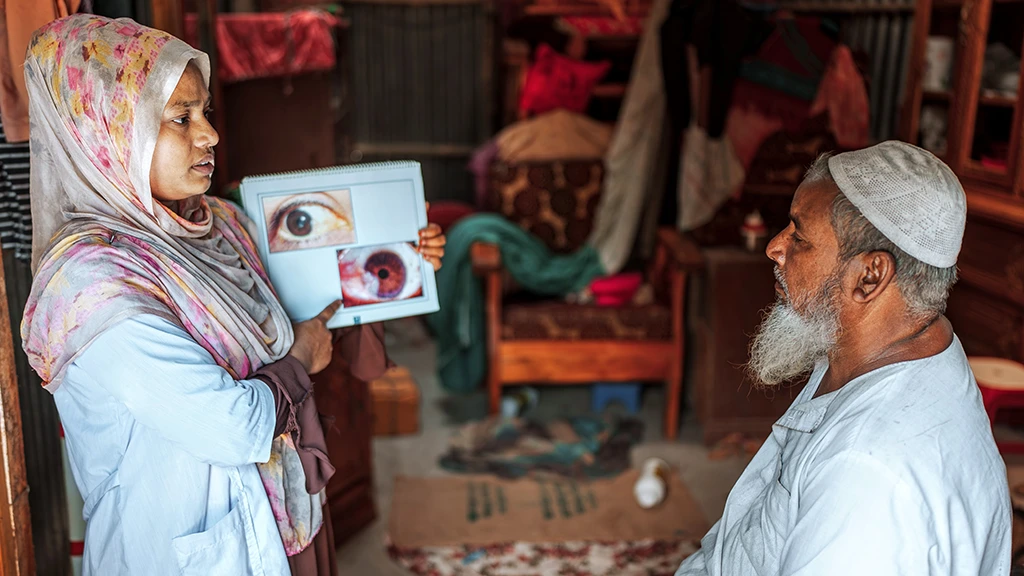
After their training, the community health workers fan out to our various communities of work, doing a baseline door-to-door survey and referring patients to the vision centres and partner hospitals for further diagnosis and treatment.
As we continue our work in the area, our teams organize various screening camps and school screenings to give everyone multiple opportunities to have their eyes checked. Community health workers also continue their door-to-door work, checking in on patients, providing eye health education and troubleshooting any problems patients might face in getting treatment. Teams crunch numbers to monitor progress and evaluate each project, later bringing in external agencies to audit the work.
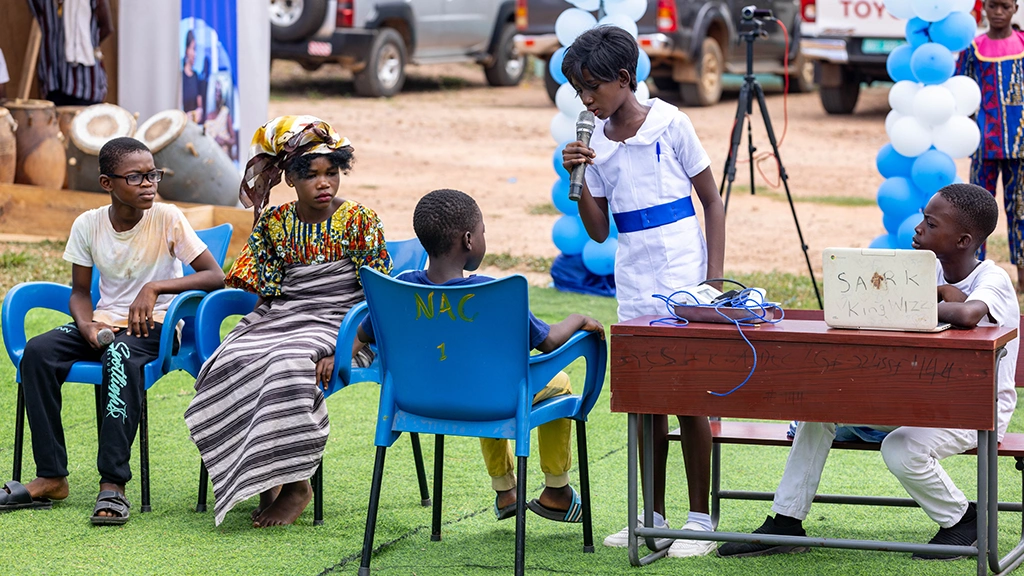
When the community health volunteers have done their final survey to make sure there are no backlog cases, villages and communities are declared as Avoidable Blindness-Free through public celebrations. At this point, the vision centres have become self-sustaining, so they can continue to deliver quality eye care services beyond the project’s duration.
The community health workers we employ for our door-to-door surveys can offer much more than just eye health expertise. Many have received additional training in primary health care and can provide advice and referrals for things like immunizations, vitamins, and maternal and newborn health care.
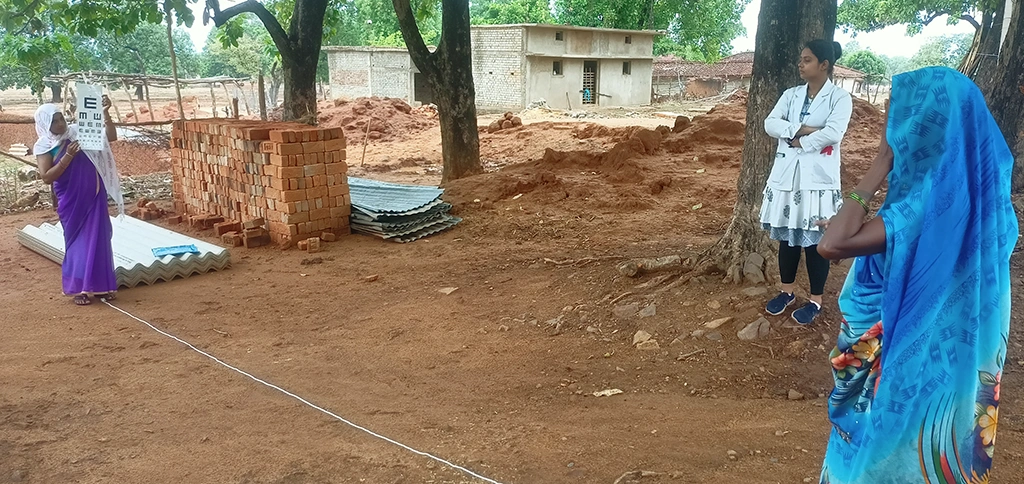
Shakuntala, an Accredited Social Health Activist (ASHA) with the Government of India, spent eight years providing advice to expectant mothers, and offering newborn care support, before she received additional training in primary eye care. With her experience, she can continue to offer referrals and education to mothers while she does her eye health screenings.
In 2024 alone, our community health workers linked more than 50,000 children aged five and under with crucial vitamin A injections, which reduces the severity of childhood illness and increases survival rates, while also helping them develop healthy vision. Also in 2024, we referred more than 16,000 expectant mothers and 12,000 nursing mothers with health facilities for check-ups.
Moreover, a community health workers frequent visits to a household can help them monitor a patient’s progress not only with an eye condition but with other health problems as well.
Take Bulal in Nepal, for example, a 97-year-old man who has cataracts as well as diabetes. When Meena, an Operation Eyesight-trained community health worker, met Bulal during a door-to-door survey in 2021, she realized that he would need additional support to get the treatment he needed for his low vision. While he had been previously diagnosed with cataracts, the doctor told Bulal that his unstable blood sugar levels – and his high blood pressure – made cataract surgery too risky. Bulal thought he would live out his final days in darkness.
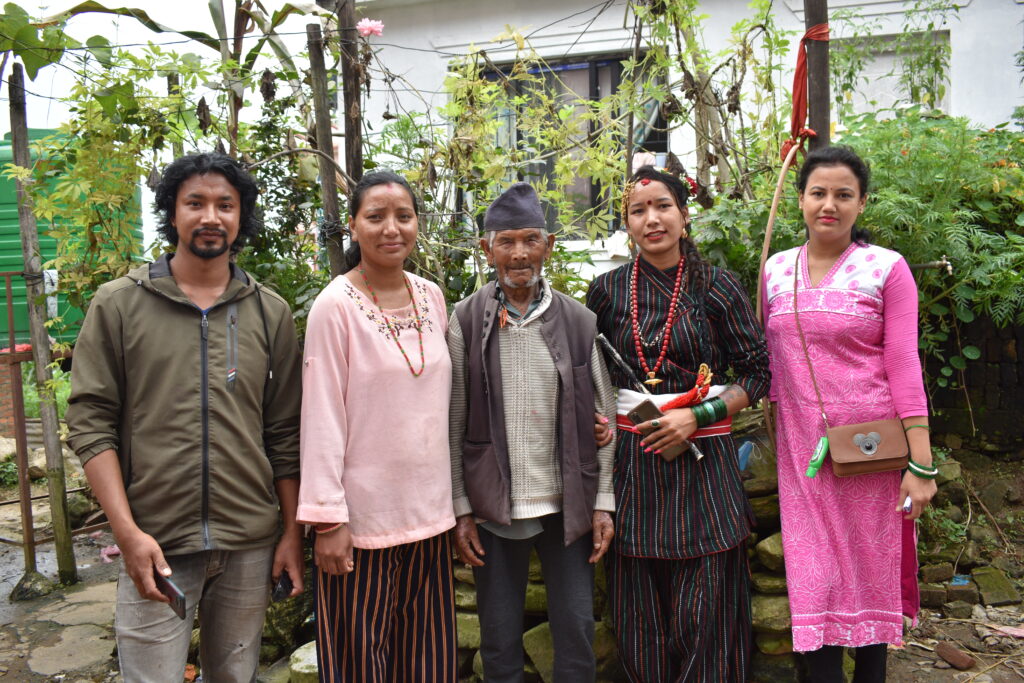
But when Meena heard his story, she set a plan in motion. Over the next few months, with Meena’s support and guidance, Bulal stabilized his sugar levels and brought down his blood pressure so he could safely undergo surgery. His family was grateful to see Bulal restored to his former dignity and independence once he could see clearly again.
From patient to ambassador – spreading the word about eye health
Ntiiti, a mother of five from a remote village in Kenya’s Kajiado County, started losing her vision in 2020. She didn’t know why she couldn’t see clearly and wondered if she was the victim of a curse. Soon, her vision was so poor that she could no longer perform essential day-to-day tasks like making meals, taking care of her children and looking after the family’s cattle.
Help arrived unexpectedly when a community health promoter, whom we’d trained in primary eye care, visited her home while conducting door-to-door screenings. He identified cataracts and sent her to a nearby eye screening camp for a formal diagnosis. At the camp, an ophthalmologist confirmed Ntiiti had bilateral cataracts and referred her for surgery. Ntiiti had never been to a hospital or clinic before, because of the distance to these facilities from her village, but our team helped arrange transportation so that she could get the treatment she needed. Thanks to our generous donors, she received surgeries on both eyes, free of charge.
Amazed by the difference the surgeries made to her life, Ntiiti told everyone in her community who complained of vision or eye problems about her miraculous recovery. Soon, she had her first recruit – a widowed mother of six who was living in total blindness. Ntiiti connected her to the community health promoter and even accompanied her to the hospital for her surgery.
We have many similar stories of patients like Ntiiti who become ambassadors for our programs. It speaks to the strength of our approach – by taking the time to build relationships in the community, patients with success stories become empowered to spread the word about the importance of getting treated for blindness and vision loss.

To create the biggest impact, we start at the community level. By training and empowering local health workers, we can help create lasting connections that bring eye care directly to people’s doorsteps. These trusted workers are the heart of our model – identifying problems early, guiding patients through treatment and spreading awareness that can transform entire villages.
With your support, we can train more health workers, open more vision centres and ensure that no one is left behind. Donate today to help us build a future where avoidable vision loss is eliminated for good.
Working as a nurse in a clinic in Ghana’s densely-populated Awutu Senya District, Joana Annobil treated a wide range of medical issues – from diabetes to hypertension. But there was one issue that consistently stood out to her as having the biggest impact on patients’ lives: vision loss.
“Our eyes are like the light of the human body,” she says. “Without your eyes, you can’t do anything. You can’t go anywhere. So, the eye is very important to talk about and take care of.”
Joana wanted to bring better eye health care to people in her district by studying ophthalmic nursing, but pursuing further studies felt out of reach because of the costs of leaving her job to attend classes full time. Still, Joana didn’t give up. After discussing her aspirations with the District Director of Health Services in Awutu Senya, our partner on a community eye health project, the director reached out to us for support. Thanks to the generosity of our donors, Joana’s dream became reality; we provided the financial assistance she needed to advance her education.
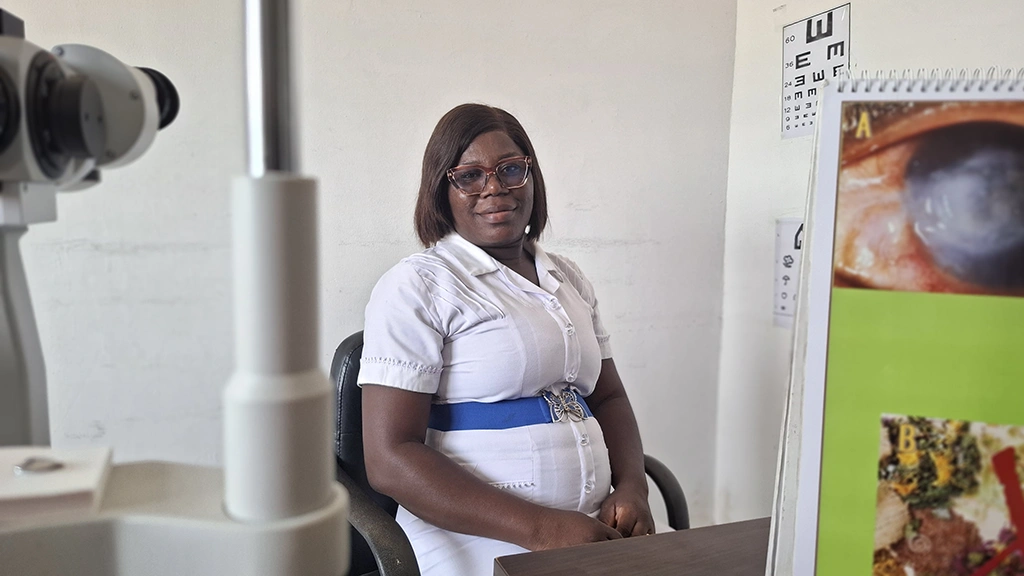
Today, Joana is fully certified as an ophthalmic nurse, after completing a degree program at the Korle Bu Teaching Hospital in Accra. She works at the Senya Beraku Polyclinic in her home district. She says that with her advanced training, she’s better able to diagnose, refer, and explain conditions and procedures to her patients. Most importantly, she is better equipped to combat eye health myths and misconceptions that prevent many patients from getting treatment.
Joana is just one of many healthcare providers and doctors whom we’ve supported in pursuing further studies since we were founded in 1963. One of the pillars of our work is to help build health systems by investing in hospital equipment and infrastructure, by establishing vision centres and by providing training opportunities for healthcare professionals. It’s all part of our sustainable approach to health care, which emphasizes building expertise at the local level.
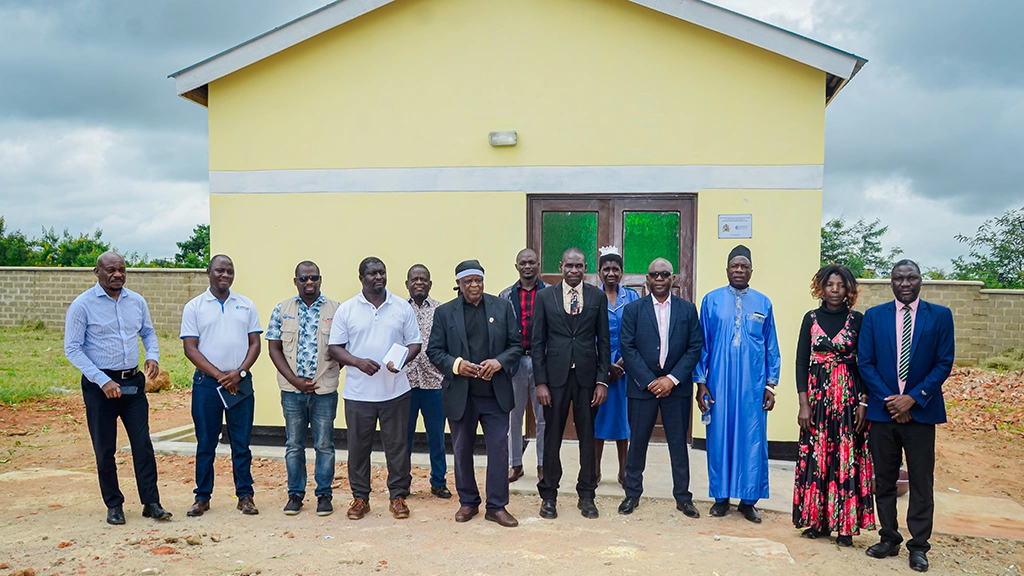
The town of Chitipa is located at the northern tip of Malawi, hours away from the larger cities in the country’s more populous south. Until recently, people in the area had to travel between 100 to 350 kilometres to get any kind of eye health care because the local hospital was over capacity.
In March 2025, all that changed when we partnered with the Malawi Ministry of Health to open the new Operation Eyesight Vision Centre at the Chitipa District Hospital. Today, the district’s 256,000 people can visit the clinic to get everything from a routine eye exam to cataract surgery.
For Lydia, who lives in a village just outside of Chitipa, the new vision centre arrived just in time. For years, she’d noticed tearing in her left eye. Eventually, it became uncontrollable. She tried reading glasses, eye drops, various medications… nothing worked. Finally, she went to the hospital in Chitipa for help. There, she was diagnosed with cataracts and referred for surgery in Mzuzu, more than six hours away. She put off the operation while she saved money for the travelling it would entail.
When the new Operation Eyesight Vision Centre opened, Lydia was thrilled to find out that she could get her surgery much closer to home. In August 2025, she underwent the operation on her left eye, free of charge. Today, she is enjoying a higher quality of life, with her left eye no longer tearing up – and improved vision overall.
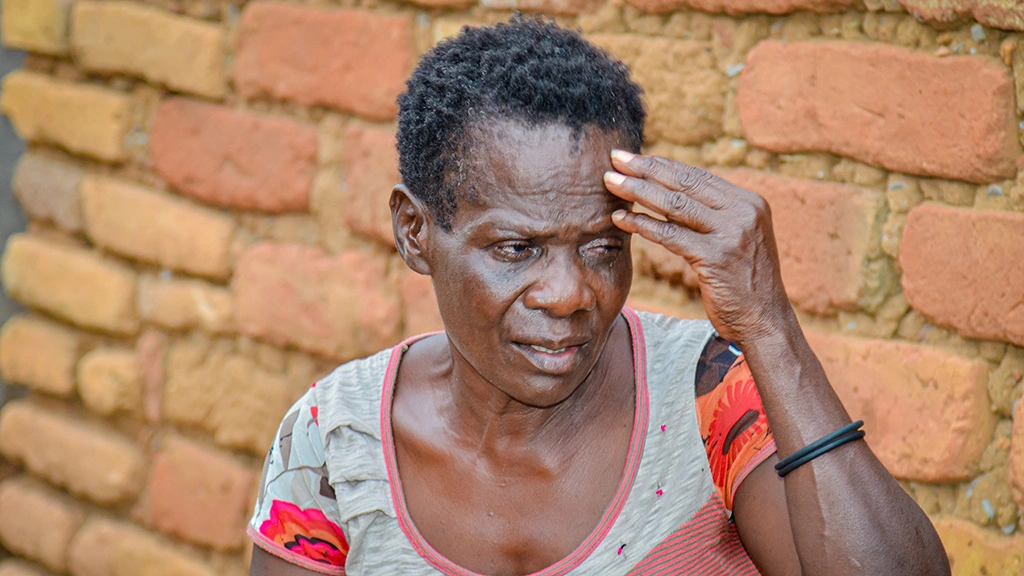
The vision centre in Chitipa is just one of many facilities we’ve helped establish in recent years. In May 2025, we successfully handed over a new eye clinic at the Garbatulla Sub-County Hospital to the County of Isiolo in Kenya. The clinic was developed in partnership with the county government and the Kenya Ministry of Health, with funding from Johnson & Johnson. Also in 2025, we laid the foundation stone for the construction of the Secondary Eye Hospital in Yadgir, Karnataka, India, in collaboration with the Shri Guru Mahipatiraj Eye Bank and Research Foundation Trust.
On the banks of the Ramganga River in Uttar Pradesh, India, sprawls the city of Moradabad, home to our partner hospital, the C.L. Gupta Eye Institute. In recent years, we’ve been working closely with the institute’s Vice-Chairman, Dr. Ashi Khurana, to help some of the area’s smallest residents – premature babies.
India has the highest rate of preterm births in the world, and the emergence of more Neonatal Intensive Care Units (NICUs) has greatly improved the survival rate of premature infants. But as more of these preemies grow up, an alarming trend is developing – some of these children end up going blind.
The culprit is Retinopathy of Prematurity (ROP), a condition that causes problems with the development of the blood vessels in the baby’s eye. If untreated, it can cause permanent vision loss and even total blindness.
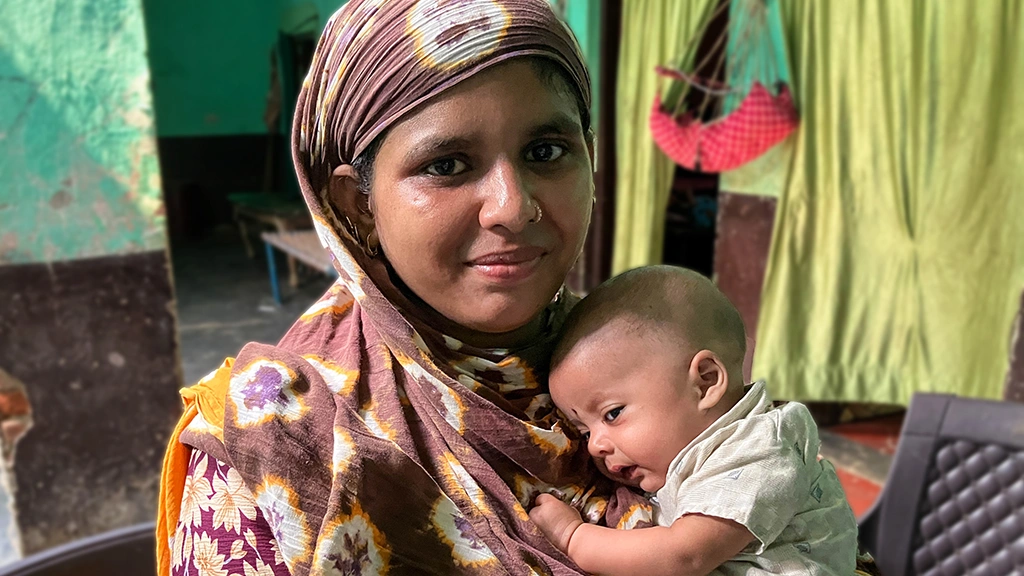
Dr. Khurana remembers first hearing about the problem when a local doctor approached her with concerns about the high number of local children who had gone blind due to ROP. The problem, they realized, was a lack of screening at the growing number of local NICUs.
In answer, Dr. Khurana and her team launched a pilot ROP program to screen Moradabad infants for the condition, which later expanded to include a partnership with Operation Eyesight. Dubbed the Retinopathy of Prematurity Eradication Project, the program runs a mobile eye clinic staffed by an optometrist who has training in ROP screening and laser treatment. The optometrist travels with specialized equipment to NICUs throughout the area, providing both screening and treatment, while referring more complex cases back to the C.L. Gupta Eye Institute.
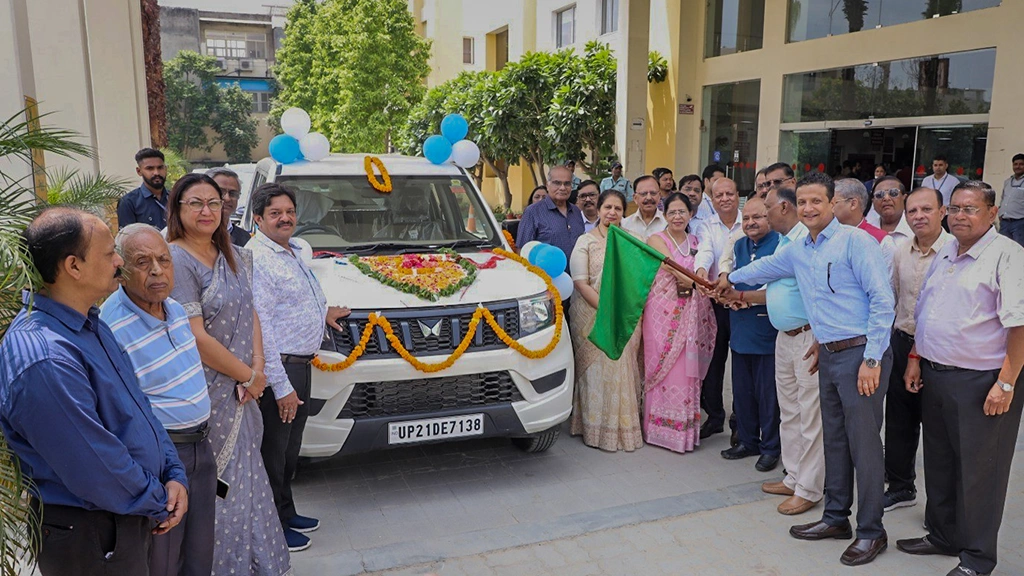
With help from Rotary Club partners, we supplied the program with essential equipment, including an imaging system used to examine the baby’s retinas, and a specialized laser system that is the gold standard for treating ROP. We also helped the hospital with the purchase of a mobile screening van, and we participated in the creation of educational materials to make sure that both healthcare providers and families understood the risks of ROP.
In the second year of the project, the screening area expanded from one district to five, including 28 NICUs. Between July 2024 and March 2025, 685 preterm babies were screened for ROP, with 54 of them receiving laser surgery, and another 35 treated with intravitreal injections.
Thanks to the generosity of our donors, we often purchase and upgrade ophthalmic equipment to help our partners offer the highest quality care possible, just like we did with the ROP project. Throughout our decades of work, we’ve equipped everything from vision centres to highly specialized operating theatres. We’ve also provided various types of vehicles to transport patients from rugged, remote locations to hospital, and to serve as mobile screening units on wheels – like the one now being used to screen infants in the Moradabad area.
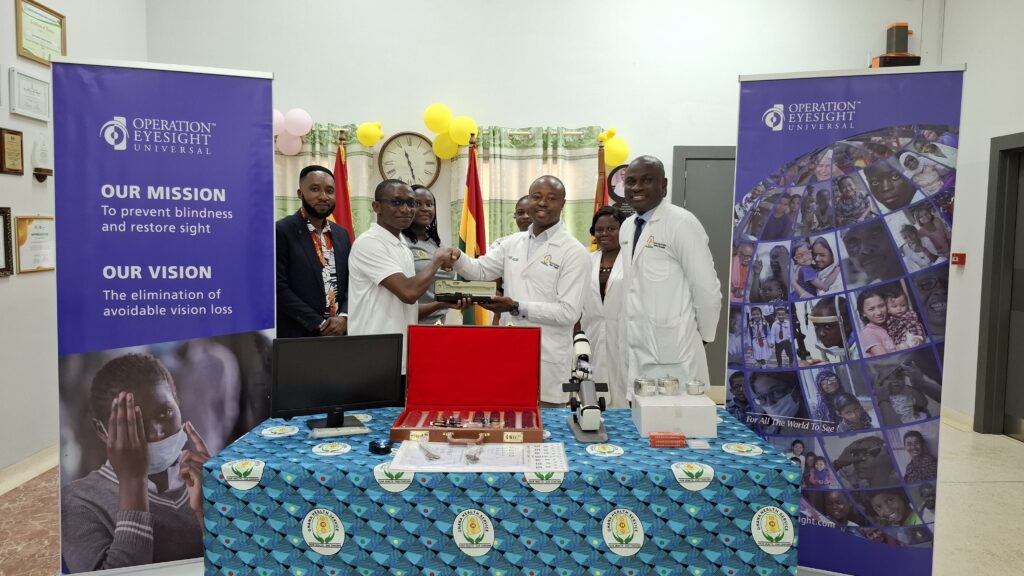
In addition to donating equipment, we are committed to ensuring sustainability by providing additional funding for equipment maintenance training. In 2024, Dumisani Jere from our partner facility, Mzuzu Central Hospital in Malawi, was sent to India’s Aravind Institute to do a one-month Ophthalmic Instruments Maintenance course. Since then, he has been providing support to eye clinics throughout our project areas in Malawi’s Northern Region.
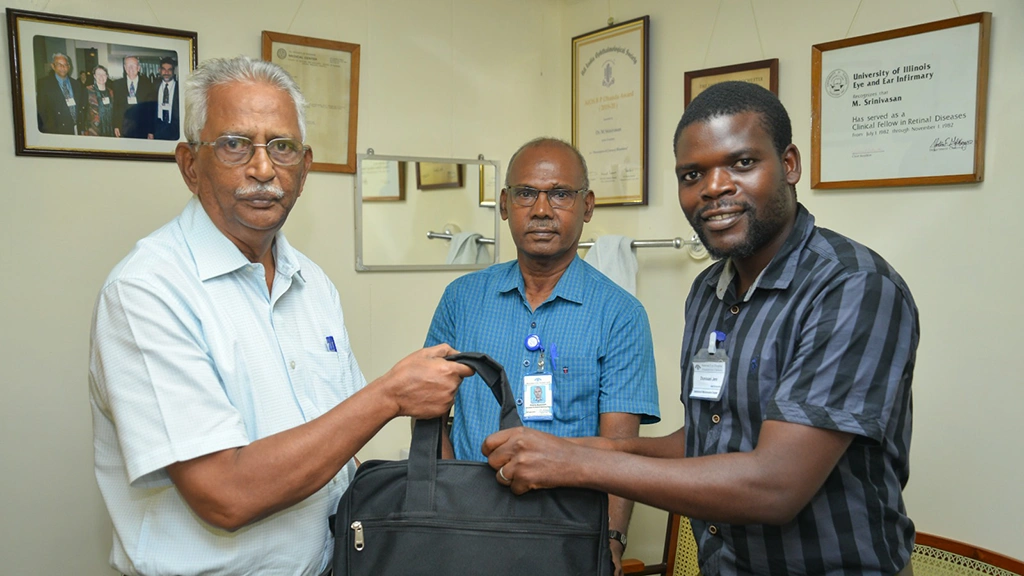
Hospital strengthening is at the heart of our mission to create lasting change. By investing in infrastructure, equipping facilities and training local professionals, we help build resilient health systems that can deliver quality eye care for generations to come. From vision centres in Malawi to advanced neonatal screening programs in India, these initiatives ensure that care is accessible, sustainable and rooted in local expertise. Thanks to the support of our donors, we’re not just treating patients – we’re strengthening health systems and empowering communities to protect sight for the future.
Donate today to help strengthen more hospitals and train more ophthalmic staff – For All The World To See.
Every time one of our community health workers interacts with a family during a door-to-door eye heath survey, she starts to collect data: the number of people in the house, their visual acuity scores, referrals given… and the list goes on. It all goes into a database so we can analyze the information and offer the community the best services possible.
As an international development organization and registered charity, we live in a world of data. The numbers we collect help us evaluate our programs, find efficiencies, show our impact and so much more. Our data builds trust with partners and donors, and it is the bedrock of one of our five programming areas: research and advocacy.
Thanks to our reputation as an organization that collects reliable data, we are increasingly being called on to participate in a variety of studies, and to add valuable input into policy decisions throughout the globe. Our growing credibility has opened doors to exciting opportunities, including leading major studies that shape national health strategies.
When Operation Eyesight began talks with Ghana’s Ministry of Health in 2006, with an eye on expanding our services into that country, what quickly became apparent was a lack of the kind of baseline data that we need when building our programs. After more discussions, it was decided that gathering that information would be one of Operation Eyesight’s first tasks in the country. Working with government ministries, along with several other organizations, we led the country’s first-ever National Blindness and Visual Impairment study.
At the helm of the study was our Technical Advisor, Dr. Boateng Wiafe, a widely respected ophthalmologist known for his decades of work advancing sustainable eye care across Africa.
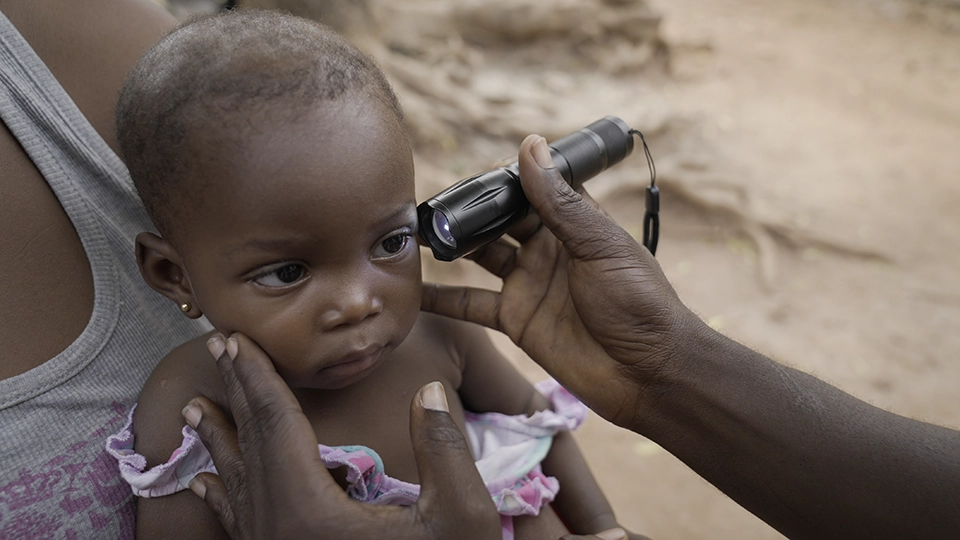
Dr. James Addy, a co-investigator on the study and the former head of eye care with Ghana Health Service, recalls the lack of data at the time.
“We realized that we had only about two or three – not many – eye indicators in the platform that actually generates data for the country,” he says. “And from that study, we realized that 0.74 per cent of the population are blind … And then we had 1.07 per cent of the population having severe visual impairment. And so, putting everything together, it was about 1.5 million people who actually have visual problems.”
Published in 2015, the study continues to be a vital resource.
“The blindness and visual impairment study has been the go-to document for the government itself and all other non-governmental organizations working as far as eye health is concerned to plan their programs,” says Ghana Country Director Emmanuel Kumah, adding that it also informed the development of Ghana’s national eye health policy.
Data from the study was instrumental in the creation of the National Cataract Outreach Program, which offers quality cataract services to people in difficult-to-reach areas. The study’s findings also helped attract social enterprise and charitable eyeglasses providers to the country by proving the need for low-cost vision wear. Today, we’re looking for partners to help us update the nationwide study, ensuring Ghana’s eye health programs continue to be built on solid, current data.
An important part of our work is bringing eye care closer to underserved communities, which means establishing vision centres and eye units in collaboration with our partner hospitals. These facilities offer comprehensive eye exams, dispense eyeglasses, offer various treatments and refer more complex cases to the partner hospital. Some of these clinics are built in remote, rural areas, while others are established in busy, densely populated urban areas.
One of our urban vision centres is in a bustling, low-income neighbourhood in Pune, Maharashtra, India. To get a stronger understanding of its benefit to the community, the vision centre was the subject of a study led by the Community for Eye Care Foundation and members of our team in India. Over the four years of the study, 44,000 people living in the area were surveyed at two intervals by community health workers to track their eye conditions and their eye care-seeking behaviours.
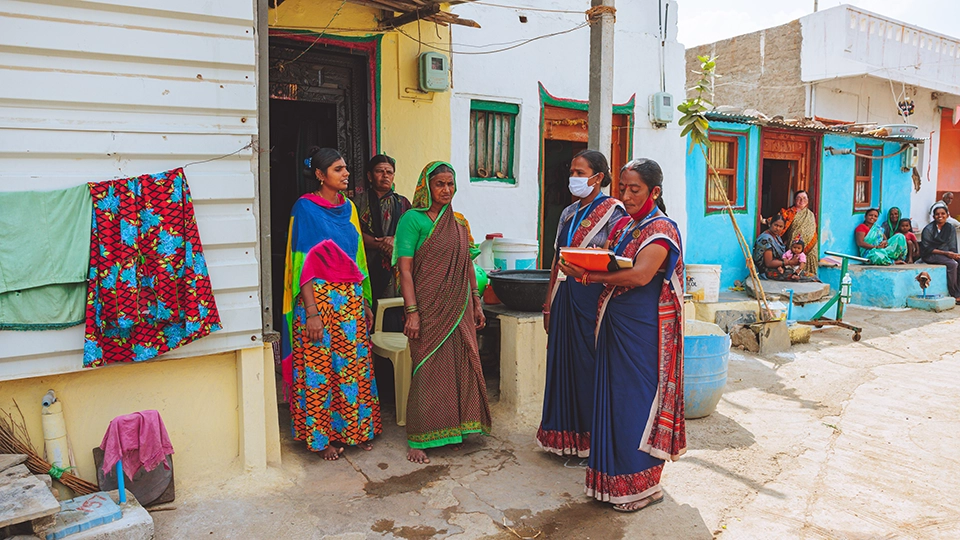
What they found is that the prevalence of blindness and visual impairment in the community was reduced by nearly 62 per cent over the four years. Women continued to have a higher prevalence of blindness, but the gender gap narrowed during that same time span. The study found that more women visited the vision centre than men, and that more people made themselves available for a repeat eye examination during the second door-to-door survey. The study’s authors attribute these changes to the gentle nudging of the community health workers through their door-to-door surveys, and the existence of a nearby vision centre served by a predominantly female staff.
Our own CEO, Kashinath Bhoosnurmath and former Program Manager Soumya Moosa (now a Teaching Assistant at the University of Southern Mississippi), were co-authors of the study, published in 2022 in the India Journal of Ophthalmology.
Our participation in health studies continues to grow, with Operation Eyesight on board to gather data in Kenya for a joint study, between the London School of Hygiene & Tropical Medicine and other partners, that’s investigating the economic benefits of correcting near-vision impairment (presbyopia) in adults.
The five-year study will look specifically at adults ages 35 to 65 with presbyopia by running two randomized controlled trials in India and Kenya. With 20,000 patients to be engaged across two countries, participants will either receive reading glasses at the outset or be placed in a control group without them, with the latter group receiving glasses at the end. The investigators will collect data at baseline, then one and two years in, to evaluate the impact that having – or not having – glasses has had on participants by looking at household spending, quality of life, employment, work productivity and income.
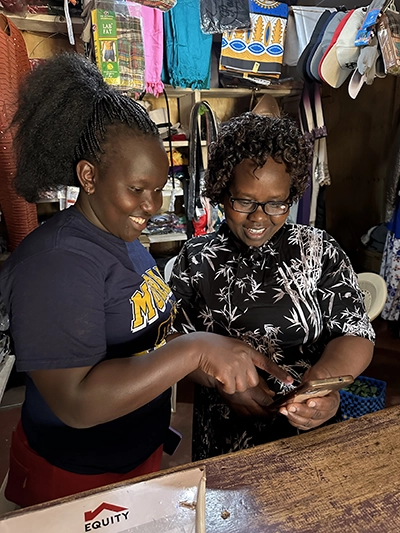
Operation Eyesight’s role is to identify patients to enrol in the study in Kenya – and to continue managing patients with other eye health problems that don’t meet the parameters of the study. Participants will be selected from Kisii County, where we’re already running community eye health programs.
Senior Program Manager Edwin Wanjala Simiyu is overseeing Operation Eyesight’s participation in the study.
“Operation Eyesight was selected to work on this study because of our historical engagement with Peek Vision, with whom we’ve successfully implemented several projects,” he explains, referring to our longtime partner who created the eye health technology that will be used to gather data for the study.
He adds that the study is helping us foster important new collaborations. “Partnerships bring on board new ideas that shape project implementation and impact. It also reduces the project unit cost due to shared responsibilities.”
Gathering evidence on the effectiveness and economic impact of eye health treatments – such as a simple, low-cost pair of reading glasses – helps us demonstrate to decision makers how they can improve lives and livelihoods through cost-effective solutions.
Using our insights to advocate for eye health care
Members of our international team are frequently invited to sit down with various government agencies to offer their knowledge – sharing lessons hard-learned through years of program delivery.
In Kenya, while focusing on the Universal Eye Health Coverage agenda, we worked with the ministry of health to review the World Health Organization’s Primary Eye Care Training manual to better standardize primary eye care delivery nationwide, while in Ghana, we participated in a joint press conference hosted by that country’s ministry of health ahead of World Sight Day.
In addition, we are increasingly being called upon to act as technical partners, where we share our expertise on creating and managing sustainable eye health programs. Over the past few years, our team in India has worked closely with the health ministries of state governments in Arunachal Pradesh, Madhya Pradesh and, more recently, Meghalaya to establish vision care facilities within already-existing government health centres, such as Health and Wellness Centres.
Now, we’re looking to spread awareness in Canada, where our head office is located, though our involvement in the National Strategy for Eye Care Act. The act, passed in November 2024, aims to provide equal access to eye health care services across Canada and to improve the prevention, treatment and rehabilitation of eye conditions for all.
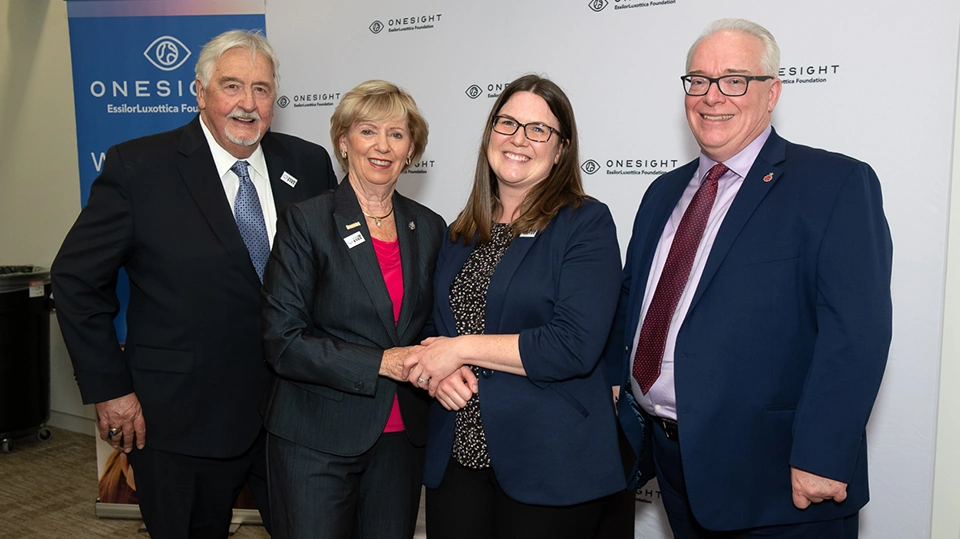
In Canada, vision care is covered by a complex framework of provincial and federal regulations, meaning that coverage varies widely between provinces and territories. For routine vision care – like eye exams and prescription eyeglasses – many Canadians need to pull from health insurance to cover the costs. Those who are uninsured may have to pay out of pocket. These inequities are what the act proposes to address.
Now, as the chair of the Canadian Eye Health Coalition, Operation Eyesight is helping shape the framework for the national strategy. That means meeting regularly with like-minded partners and policymakers to continue the important work of making eye health care more equitable and accessible across the country.
Global Director Kris Kelm says that we’re well poised to inform decisions because of our decades of experience delivering sustainable eye health programs.
“We have the opportunity to shape what the developing policy is going to look like and how it’s actually going to affect Canadians,” he says. “As a non-profit dedicated to eye health and ensuring equitable access for all – regardless of socioeconomic status – it’s critical that we’re part of the conversation.”
Operation Eyesight is also a proud member of IAPB, adding to the collective, global voice advocating for the prioritization of eye health. Next year, we will participate in the first ever Global Eye Health Summit, which will bring together governments, organizations and the private sector to foster collaboration and mobilize action.
As we continue to collect data from communities around the world, we’re not just measuring outcomes, we’re helping to shape them. Every survey completed and every study published brings us closer to a world where quality eye care is accessible to all.
Whether it’s through national studies, local program evaluations or global research collaborations, we remain committed to using data as a tool for change. As we keep pushing for fair and accessible eye health care around the world, we’re proud to build on the knowledge and trust we’ve earned from the communities we work with. After all, they’re the reason we do what we do – For All The World To See.
Four-year-old Priyansh’s story begins in March 2023 when his father, Raj, noticed a strange glow in his little boy’s eyes. It was an observation that would end up saving Priyansh’s life.
Raj and his wife, Ramya, acted quickly and took Priyansh to a local doctor who diagnosed him with a tumor. After more consultations, the family was advised to get treatment at the Operation Eyesight Universal Institute for Eye Cancer at the L V Prasad Eye Institute in Hyderabad, India.
The Operation Eyesight Universal Institute for Eye Cancer was made possible by the generous gift of an anonymous Canadian family, and through our longtime collaboration with the renowned eye hospital. Since 2015, the Institute has provided comprehensive treatment for the entire range of ophthalmic tumors in both adults and children. It is one of just a handful of centres in the world that specializes in this type of treatment.
Once he arrived at the Institute, Pryiansh was examined by an ophthalmologist who diagnosed him with fourth-grade retinoblastoma, a severe form of eye cancer that largely affects very young children.
With the level of danger the cancer presented, the doctor recommended that the affected eye be surgically removed. Although heartbroken by the diagnosis, the family knew surgery was their only hope to save their son. The operation was a success, and Priyansh’s outlook improved, but the journey was far from over. Following the surgery, Priyansh underwent grueling chemotherapy sessions to make sure there were no remaining cancer cells. The little boy was left weakened and frail, but kept his spirits up during treatment.
Due to the demands of Priyansh’s treatment, Raj, who works as a taxi driver, had to take time off work. In order to help free the family from the financial burden caused by Priyansh’s diagnosis, the L V Prasad Eye Institute was able to offer the treatment completely free of charge, allowing the family to focus on recovery.
Today, Priyansh is stable, and his parents are extremely grateful for the care he received.
To date, the Operation Eyesight Universal Institute for Eye Cancer has identified and treated 18,515 patients for eye cancer.
With special thanks to the L V Prasad Eye Institute, who originally reported this story.
Imagine failing the same grade twice. And the first grade, no less.
That’s an experience 11-year-old Hayat, in Bahir Dar, Ethiopia, has gone through. Today Hayat, held back by difficulties with her eyesight, is continuing to work on her first-grade accreditation, alongside seven- and eight-year-olds.
Born with a twin brother, Hayat had vision problems from the very start. Immediately after birth, she underwent eye surgery. The hospital scheduled her for a follow-up appointment, but due to financial constraints and lack of transportation, the family was unable to return for it.
Her father explained that, as Hayat grew older, she continued to have trouble seeing.
“We knew she had difficulty seeing distant objects, but we couldn’t take her to a health facility because we didn’t have the money for treatment,” her father shared. “It pained us deeply to see her struggle. We began to lose hope in her education because her performance was poor.”
But Hayat persisted with her schoolwork, and she was in class when Operation Eyesight, in collaboration with Partners in Education Ethiopia, started a screening program at her school.
Hayat was quickly identified as having vision problems. Along with other students, she received a referral to our partner institution, the Tibebe Ghion Hospital, for a full eye exam. An optometrist diagnosed her with refractive error.
Just two days after her hospital visit, the project team returned to Hayat’s school with a life-changing package in tow – the students’ eyeglasses.
Hayat went home sporting her new eyeglasses, beaming as she announced that she could finally see clearly. Her family was thrilled, knowing that she now had what she needed to thrive in school.
“Thank Allah!” her father announced, then followed up with instructions for Hayat. “Now you can study well and improve your grades.”
The little girl was more than happy to agree.
Find out how support from our donors is helping us bring eye health care to thousands of children like Hayat through our School Eye Health programs!
Story written with files from Marnat Adugna, Senior Project Officer, Operation Eyesight / Partners in Education Ethiopia
All his life, Kamal has worked as a farmer. He raised two boys on money he earned working the land, and even now, at age 69, he continues to farm. But in recent years, he struggled with the work because of his failing vision.
Kamal lives alone with his wife in Auraha, a village in Nepal’s southern lowlands. His youngest son passed away due to illness, and his eldest moved out to start his own family. Due to financial difficulties, Kamal had never gotten an eye exam until recently, despite his poor eyesight.

Happily for Kamal, his village is covered under a community eye health project that we are running in collaboration with the Nepal Eye Hospital, our partner in Kathmandu. A community health worker visited his home and quickly noted that Kamal had cataracts in both eyes. The health worker encouraged Kamal to visit the nearby vision centre for a formal diagnosis.
At the vision centre, Kamal’s cataracts were confirmed. In his right eye, he was reduced to Hand Motion vision, meaning he could not even count someone’s fingers, but could only detect a hand waving in front of his face.
After being reassured that he would receive treatment free of charge, Kamal decided to go ahead with the cataract surgeries.
He recovered well from both operations, and as he was still nearsighted, he also received a pair of prescription eyeglasses.
Now, Kamal proudly sports his eyeglasses every day. He says he is grateful to the team from the Nepal Eye Hospital for taking on the role of his absent son – providing emotional and logistical support throughout the process. He is also very thankful to Operation Eyesight donors for making his sight-saving surgery possible.
Thank you to all our donors for helping Kamal regain his sight!
Reaching the remote village of Kachikata, in India’s northeastern Assam state, is no small task. The journey from Jorhat, the nearest city, begins by jeep on rough roads leading down to the Brahmaputra River. From there, travellers climb onto a tiny ferry, big enough only for a handful of passengers, that takes them to Majuli Island. After the boat arrives on the island’s shores, the journey continues by motorcycle, tractor or bullock cart to reach the village.
This makes medical care difficult to access, especially for seniors like Gadami.
For six years, the grandmother lived with cataracts in both eyes. As her vision worsened, she became reliant on family members to help with even simple tasks.
“There was no doctor, no eye camp, nothing,” says our Program Manager Tapobrat Bhuyan, describing the community when he first visited it in 2021.

When community health volunteer, Dipen, met Gadami during a door-to-door screening, he referred her to a nearby eye camp. There, she was diagnosed with bilateral cataracts, and agreed to make the long journey to Jorhat, where she received sight-restoring surgery at our partner hospital, Chandraprabha Eye Hospital, free of charge.
Gadami’s granddaughter, Junu, was by her side to comfort her during the hospital stay and share in her joy when the bandages came off.
Back in Kachikata, Gadami’s world has opened up. With her independence restored, she can once again walk around the village, visit friends and fully enjoy her time with her grandchildren.
Watch a video about our work on Majuli Island!

Taking a closer look at the connections between avoidable vision loss and gender inequalities
The oldest of five children, Thandiwe in Zambia has always looked after her younger siblings. When the village borehole broke down, she had to fetch water from the river, and her family couldn’t wash as often. Thandiwe noticed some of her siblings had itchy, red eyes. Soon, she developed the same eye condition. Her left eye swelled and her eyelid turned inward, causing unbearable pain as her eyelashes scratched her cornea. With no money or access to a doctor, her eye became worse and worse until she lost vision in it entirely.
Priya in Nepal can’t remember when she first started having trouble seeing, but her vision kept deteriorating until one day she fell and injured herself while climbing the steep trail leading from the village to her house. Figuring that blindness was an inevitable part of old age, she stayed at home, unable to visit friends and grandchildren. Eventually she couldn’t even reach the outhouse without assistance. She felt like a burden to her family.
Mary, in Kenya, loved school from her very first day in the classroom and dreamed of becoming a teacher someday. After she turned 13, she started having trouble reading the chalk board. She had to copy notes from her friends and couldn’t do her homework in the dim light at her house. Her grades began to slip. She asked her parents to take her to an eye doctor, but money was too tight because they were saving to send her brother to college. By age 15, Mary quit school and decided to get married, her hopes of teaching now crushed.
None of these characters are real, but they represent the millions of women and girls around the world who are living with avoidable vision loss and blindness. We hear stories like these every day.
The prevalence of vision loss is higher among women and girls than it is for men and boys; 55 per cent of people experiencing vision loss are female. And while there are some biological factors at play, the reasons for these discrepancies are largely social.

Why women and girls experience more vision impairment
Women live on average longer than men, and many conditions that rob people of their sight are associated with old age. This includes cataract, presbyopia, glaucoma and age-related macular degeneration. According to estimates, two-thirds of cataract blindness globally occurs in women.
Traditional gender roles are another factor, especially in some regions.
Women and girls are two to four times more likely than men and boys to get trachoma – the leading infectious cause of blindness worldwide. Trachoma is caused by bacteria that spreads through contact on hands and clothing. Small children are especially susceptible, and in turn, they often pass it on to their caretakers. Women and girls may also get infected from household cleaning and doing laundry.
Obstacles to eye health care access
The barriers to health care for women and girls vary widely from region to region, but there are trends that we can observe across the countries where we work. These include:
Addressing these diverse challenges is crucial for breaking down the barriers that prevent women and girls from accessing essential eye health care services.

Working toward gender equality
Our approach, called the “Hospital-Based Community Eye Health Program Model,” is designed to address inequalities to accessing eye health care, starting at the village level.
Most of the community health workers trained by Operation Eyesight’s partner hospitals are women, which gives them the opportunity to become trusted leaders in their communities and helps them contribute to family finances. They also bring eye health screenings to people’s doorsteps, meaning that women and girls don’t need to travel to get primary eye care and referrals.
Additionally, we work with our partner hospitals to establish vision centres closer to the communities where we work, making it easier for everyone to access diagnosis and treatment. Our partner hospitals also provide safe transportation for patients – usually by bus – to the hospital so that they can get their surgeries without worrying about how they’ll get there.
Finally, by providing surgeries, eyeglasses and other treatments free of charge – or at a highly subsidized rate – we can decrease some of the financial barriers women and girls face. We strive to provide quality eye care services to everyone – regardless of gender, age, ability to pay or other personal circumstances.
Clean water for gender equality
In a village in Zambia’s Mkushi District, a group of men and women stand over a water borehole, tools scattered at their feet. Two of the women turn a pipe with wrenches, their faces furrowed in concentration.
These men and women are Area Pump Minders in training – volunteers who fix and maintain water pumps in their communities. The pump minders are just one of our strategies for keeping communities supplied with a reliable source of clean water. As well as rehabilitating boreholes, we also work with communities to drill new ones, and provide training in WASH – which stands for Water, Sanitation and Hygiene.

While traditionally the pump minder volunteers were all men, we’re seeing more women join the teams. Between 2022 and 2023, we trained half a dozen women in borehole maintenance and repair in Zambia, placing the skills to keep the water flowing in the hands of those who need it most.
Clean water means that families can wash hands, faces and clothing regularly, which prevents the spread of trachoma – lessening the chance of vision loss and blindness, particularly among women. And there are countless other ripple effects for women and girls when they have access to clean water. It helps with the maintenance of menstrual hygiene, impacting health, dignity and overall quality of life. And, as women and girls are usually tasked with hauling water for their families, having a nearby borehole can help keep girls in school and give women more time to pursue economic activities to support their families.
Dismantling gender-related eye health myths in the foothills of the Himalayas
In the villages of the Udhampur block in northern India, vision problems are often seen as a sign of bad luck. A girl wearing glasses might be told she’ll never have a good marriage, and a baby’s bad eyesight might be blamed on past life sins. A girl with a squint could be seen as a curse for the whole family.
Those are some of the beliefs a recent pilot project took aim at.
Created in partnership with NorQuest College and the Rotary Eye & ENT Hospital, the project provided services through a “Mobile Vision Centre” – a four-wheel-drive van staffed with an eye health team comprised mostly of women. The van roamed the area’s rugged roads, bringing primary eye care and education to people’s doorsteps.

More than 27,000 people received training pertaining to eye health myths during the project duration. A before-and-after survey that checked people’s attitudes and beliefs regarding eye health for girls and women showed dramatic differences after the intervention. With that success in mind, our teams are looking to implement strategies from the project throughout our programs.
Read our new Global Strategy to find out how we plan to continue providing essential eye health care to women and girls and other underserved groups. Donate today to help us bring quality eye health care to more women and girls.
Kenyan schoolteacher Dinah says some of her best memories include the ‘ah-ha!’ moments when her students realized they could read and write. Now retired, she looks forward to evenings when she reads to her granddaughters, passing knowledge between generations.
“It’s an honour to share my passion for teaching with the girls, though there was a time when I couldn’t do that – it broke my heart.”
For six long months, Dinah experienced debilitating headaches that hindered her from reading to the girls.

Luckily, Dinah’s home was visited by a community health worker who referred her to the Iten County Referral Hospital where she got a diagnosis for presbyopia. Thanks to our partnership with the OneSight EssilorLuxottica Foundation, she was provided with a complimentary pair of reading glasses. The foundation has provided more than 5,000 eyeglasses to our vision centres in Kenya since 2020.
“I’ll admit I was reluctant to start reading again,” Dinah says. “Once I did, I realized I had nothing to worry about – my headaches were gone!”
Since her headaches have dissipated, Dinah has committed two hours every day to reading to her grandkids. She marvels at their success.
“At first, the girls would have me read their schoolbooks to them,” she says. “Now they’ve started reading to me – it’s really lovely how these things come full circle.”
Donate today to help provide prescription eyeglasses for more people like Dinah.
With files from Caroline Ikumu.
Today, we are one of the few nongovernmental organizations partnering with the Government of India to open vision centres in existing government health facilities, bringing quality eye health care to underserved communities.
Together, we are establishing and equipping vision care facilities, training existing healthcare staff and developing a continuum of care for patients – from diagnoses at the community level, to referrals for specialized treatments at hospitals, to follow-up care.
The approach was initially launched in three districts in the state of Arunachal Pradesh, in partnership with Jhpiego (an affiliate of Johns Hopkins University) and the state Ministry of Health. Based on the project’s early success, with the support of Optometry Giving Sight, we are now replicating the model in the states of Madhya Pradesh and Meghalaya.
“It’s not about re-inventing the wheel. Integrating basic eye care into the existing primary health care system helps ensure that patients can receive care in a way that is cost-effective, practical and, above all, sustainable," explains Dr. Troy Cunningham, our country director for India.
“This is how we reach the most disadvantaged populations, as patients who are able to pay most typically seek care at for-profit facilities, rather than attending government services.”
