
In the small village of Adawukwa Fianko, nestled in the Awutu Senya District of Ghana’s Central Region, lives an 84-year-old man named Ayetu. For the past five years, he has been grappling with visual impairment, due to an eye disease that has drastically altered his life. Once a dedicated farmer, he now relies on his 75-year-old wife, Adwoa, to tend to their farm and provide for them.
Ayetu's journey with glaucoma began a decade ago when he first noticed problems with his vision. A visit to the hospital confirmed his fears: he was diagnosed with glaucoma, a condition that damages the optic nerve and can lead to blindness if untreated. The cost of the necessary eye drops was a heavy burden on his finances, often preventing him from attending his monthly check-ups. In desperation, he turned to herbal remedies, but his vision continued to deteriorate.

"From the year 2020 until 2022, I stopped visiting the hospital because of severe financial hardship that I faced,” Ayetu recalls. “My vision kept deteriorating until I became totally blind in my left eye, leaving me with a little vision in my right eye, which I depend on now."
In 2022, a ray of hope appeared. Thanks to support from our generous donors, we introduced a program to provide free glaucoma medication for patients like Ayetu.
Ayetu shares his journey, reflecting on the moments that shaped his experience: "I was overwhelmed with gratitude when I started receiving these medications every month. The pain and tearing in my eyes have ceased, and the pressure in my eyes has stabilized. I probably would have lost the remaining vision in my right eye if not for the free glaucoma medication given to me every month."
What is glaucoma?
Glaucoma is an eye disease that causes damage to the optic nerve, which is essential for vision. This damage is often due to increased pressure inside the eye, known as intraocular pressure. It is the leading cause of irreversible blindness worldwide, but with early detection and proper treatment, its progression can be slowed or even halted. Regular eye exams are crucial for early detection and management of glaucoma. If detected early, treatments such as medications, laser therapy or surgery can help slow or prevent further vision loss. Unfortunately, many people like Ayetu struggle to afford the necessary treatment.
As we observe World Glaucoma Week (March 9-15, 2025), we invite you to join us in making a difference. You can help more people like Ayetu by giving the Gift of Sight today. Please consider making a donation in honour of World Glaucoma Week.
Thank you to all our donors for your continued support. Your generosity changes lives and brings hope to those in need — For All The World To See!
With files from Dora Ewusi, Project Coordinator – Awutu Senya, Ghana
Today marks day three of World Glaucoma Week, a week to raise awareness about one of the world’s leading causes of irreversible blindness.
According to the Canadian National Institute for the Blind, 250,000 Canadians suffer from glaucoma.
Although glaucoma can be treated and sight often maintained (if diagnosed in time), an estimated seven million people are blind because of it, accounting for 2.8 percent of global visual impairment.
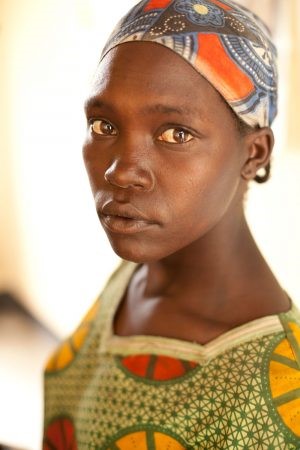
Although anyone may develop glaucoma, some people – such as those with high blood pressure – have a higher risk. You can learn about the risk factors for developing glaucoma on the International Agency for the Prevention of Blindness’ website.
This week, help spread awareness about this blinding disease by sharing this blog post with your friends and family. And remember to book your next eye examination.
You can also make a donation to support our work. Early detection is the best way to prevent blindness due to glaucoma. By facilitating eye screenings, providing eye exam equipment and supporting medical personnel at our partner facilities, Operation Eyesight helps prevent, diagnose and treat glaucoma.
Together we can help ensure that people living in Africa and Asia have access to the eye care services they need to preserve their vision – For All The World To See!
Look at the eyes of this beautiful baby! This is little Darrel. Just over 18 months old, he lives with his family in a low income community outside Nairobi, Kenya.
When Darrel was nine months old, his mother Beatrice noticed a problem with her baby’s eyes. They were always filled with tears and looked sore and red. Darrel’s irises also appeared larger than usual, and he had trouble focusing on objects.
Worried, Beatrice took her son to a local health centre. The doctor referred Darrel to a hospital near Nairobi, which in turn referred him to a pediatric eye unit. There, Beatrice learned that Darrel had glaucoma, a disease that damages the optic nerve because of high eye pressure.
“I was shocked to learn this condition would gradually make Darrel blind,” Beatrice told our staff. “I wanted so badly to have him treated, but it was very difficult because of our financial situation.”
Beatrice also worried that if her son became blind, she would need to take care of him for the rest of his life. “My prayer was that my child could grow up and live an independent life.”
Fortunately, our Kenya team met Beatrice during the 2015 Standard Chartered Bank Nairobi Marathon. As a proud member of the bank’s Seeing is Believing funding initiative, Operation Eyesight had a booth to promote eye health awareness at the marathon.
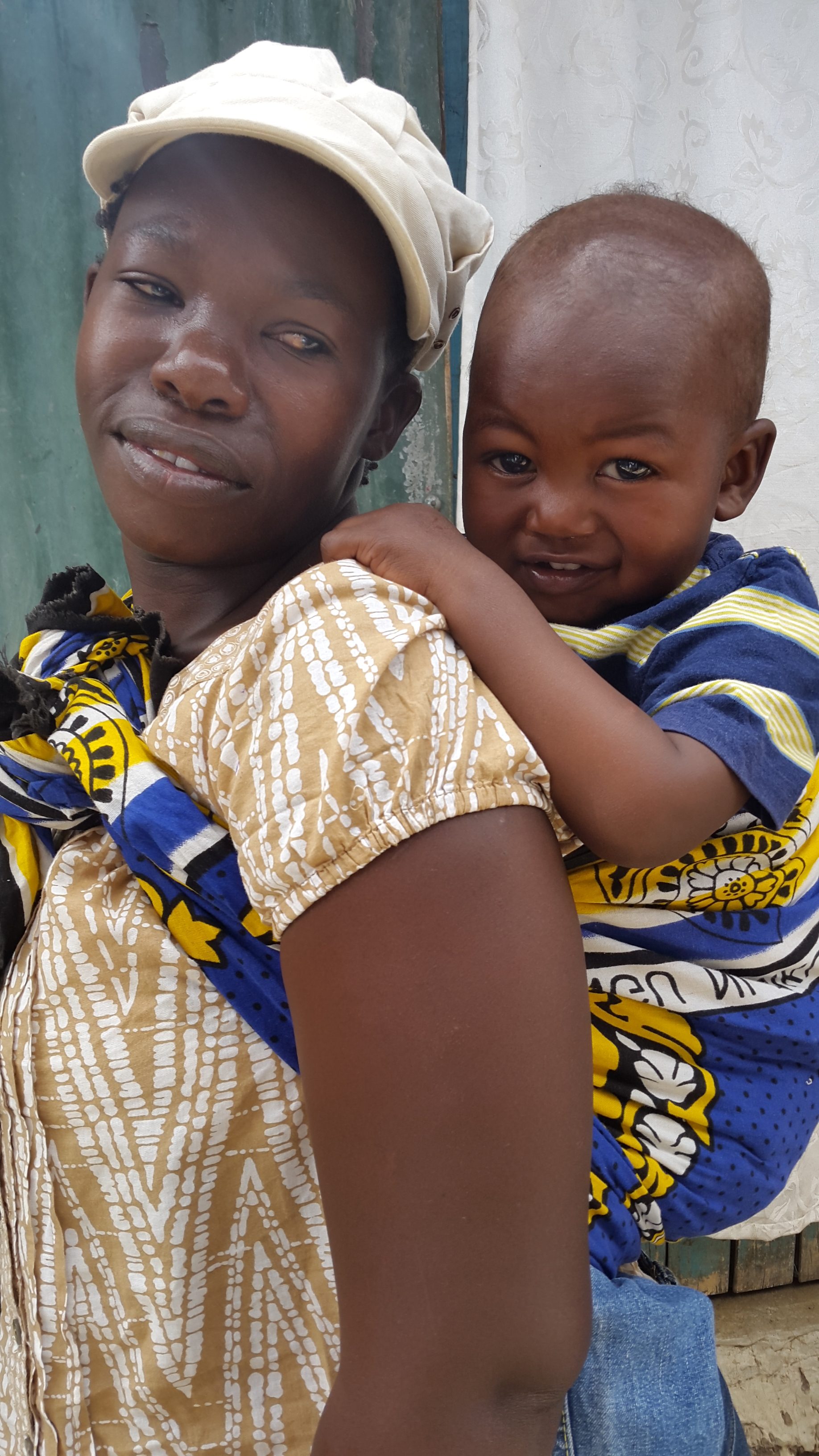
Beatrice noticed the booth, approached our staff and asked them to examine Darrel. Her son was given an urgent referral to one of our partner eye units, and Darrel’s beautiful brown eyes were operated upon in January 2016. Luckily, the surgeries were performed at no cost to the family, thanks to the support of our funder Seeing is Believing.
Today, Beatrice is very happy! “The doctors have assured me that Darrel’s condition has been contained and will not worsen anymore. I’m sure he will grow to fulfill the dreams we have for him!” She and her family are grateful to everyone who ensured that her baby’s vision was saved.
She also has a message for our donors: “I appreciate the generosity of those who donated their money so that children like my son are treated free of charge. You know that operations are very costly and therefore unaffordable to low income earners. May God bless you abundantly!”
You can help us give the gift of sight to more children like Darrell. Please consider making a donation to help provide the medicine and supplies needed to treat causes of avoidable blindness. Thank you for your support!
This Sunday, we mark World Health Day, a day to commemorate the founding of the World Health Organization (WHO) on April 7, 1948. Every year, the WHO chooses a theme with global public health significance; and this year’s theme is high blood pressure.
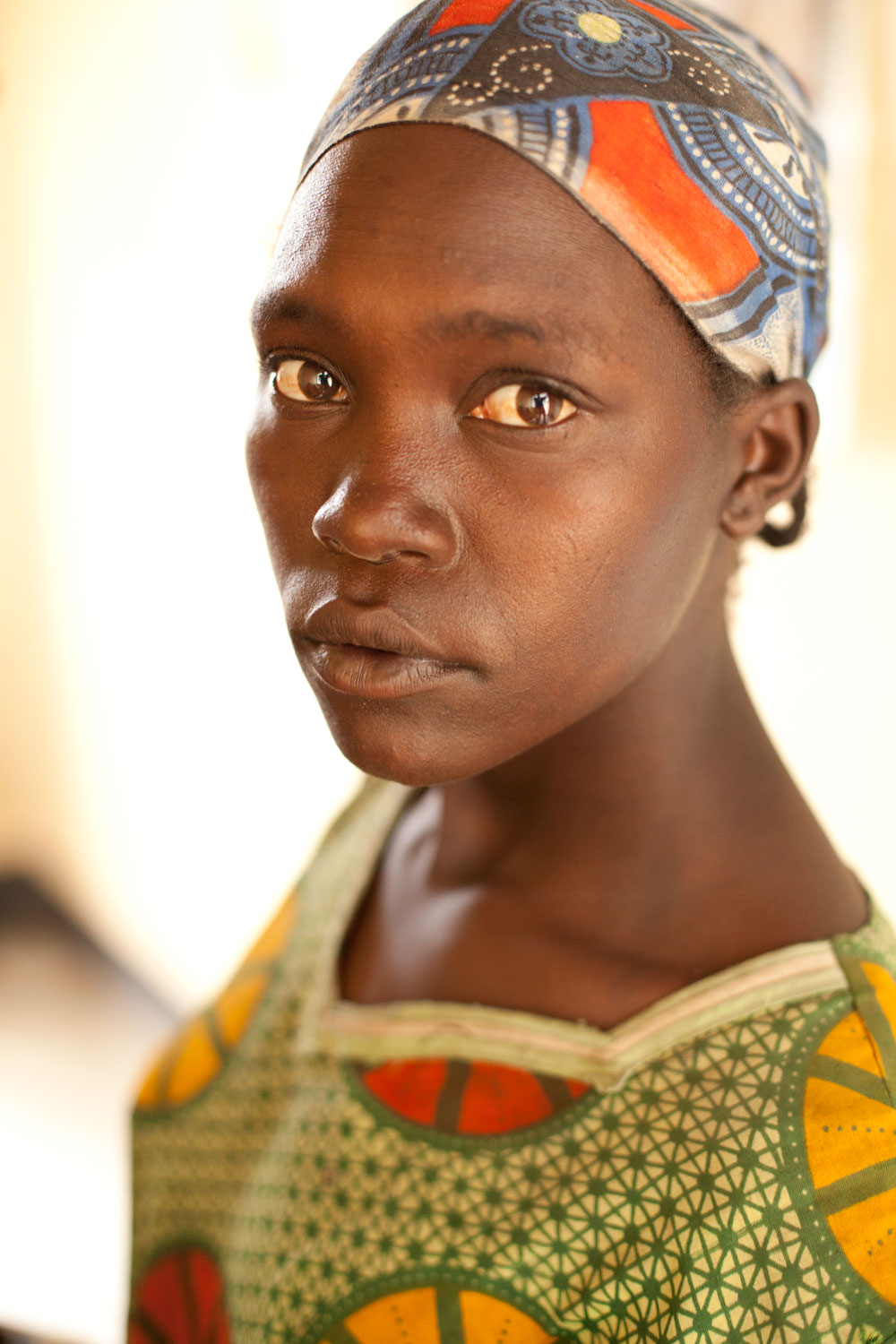
If you have high blood pressure, or hypertension, you are probably familiar with the litany of major health problems it can create. But did you know that besides leaving you vulnerable to heart disease, heart attack and stroke, high blood pressure can cause eye disease and even blindness?
High blood pressure may lead to hypertensive retinopathy, a serious disease that damages the blood vessels in the retina at the back of the eye.
It can also result in glaucoma, a degenerative eye condition whereby your optic nerve cells are damaged by excess fluid pressure in the eyeball. Next to diabetes, glaucoma is the second leading cause of blindness in North America.
While high blood pressure can damage your vision, it is also one of the most preventable health conditions. Watch your salt intake; exercise regularly; de-stress your life where possible; and see your physician regularly. Besides hypertension, a number of other factors can affect your eye health, including age, ethnicity, family history, and past eye injuries.
We do not presume to offer medical advice, but here’s a tried and true tip: you can look after your own vision by scheduling a visit with an eye care professional today!
Hard to believe but true: In 2008, approximately 40 percent of the world’s adults aged 25 and over had raised blood pressure! Check out what that global statistic looks like on the WHO’s interactive map.
Until Kevin’s cataract surgery, life was dark and full of doubt. But because of kind-hearted donors, Operation Eyesight helped restore this little boy’s vision, turning his world of darkness to light.
Patients, dignitaries, eye health care staff and partners organizations joined the celebratory events for World Sight Day in Elgeyo Marakwet County, Kenya on October 12.
Kevin, along with classmates and other grateful patients participated in the first-ever World Sight Day celebrations where he lives in Elgeyo Marakwet County. The full day began with a 1.5 km walk from Iten Referral Hospital to the Iten playground. The Simbolei Academy school band led the way, accompanied by children from the Chepsigot School of visually impaired. The Chepsigot children entertained the audience with songs and poems about eye health.
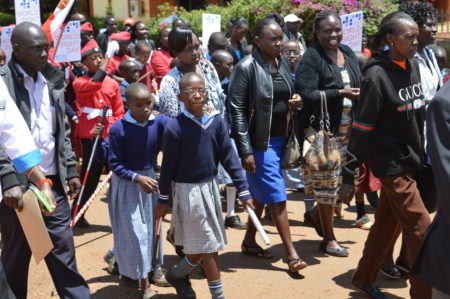
After the walk, an eye screening and treatment camp was held that screened and treated 368 patients. Another 78 patients were referred to the eye unit for further examination. Guests heard patient testimonies and key speakers from Operation Eyesight’s many partners.
Alice Mwangi, Operation Eyesight Country Manager, was proud to recognize Operation Eyesight’s partnerships, especially Standard Chartered Bank’s Seeing is Believing. “With the help of our partners, Operation Eyesight has renovated the eye unit that has screened more than 40,000 people and treated over 20,000 patients for various eye conditions.”
Mwangi says that in September 2017, 22 community health workers were trained to conduct door-to-door screening in Kapchemutwa ward. Since then, more than 20,000 people have been screened, helping us reach our goal of ensuring eye health care becomes part of regular health care.
Key guests at the event included:
• Deputy Governor of Elgeyo Marakwet County Mr. Wesley Rotich;
• Chief Officer of Health Dr. Titus Ayabei;
• Country Director of Medical Services Dr. Isaac Kipyego;
• Medical Superintendent of Iten Referral Hospital Dr. Castro Mugalla;
• Sub county Director of Education, Mr. William Kipchumba
The Chief Officer of Health, Dr. Titus Ayabei, announced the exciting news that the county government has established a sub-county eye unit in Chepkorio hospital. The government will provide staffing for the hospital, and he urged people to support the facility for much needed eye care equipment.
Ayabei encouraged people to go for regular eye checkups and Mwangi agrees. “I hope all our patients will help us help others by becoming eye health care ambassadors and creating community awareness about proper eye health care,” says Mwangi.
As for young Kevin, he’s grateful for having his sight back. “Thanks to my doctors, I’m not struggling anymore.”
You can help kids like Kevin by donating today.
